
Lieferung heute & morgen

Qualitätsgarantie

Willkommens-Angebote freischalten: KOSTENLOSE Lieferung | Bis zu 80 % RABATT | Kostenlose 30-Tage-JoyPlus-Testphase
App herunterladen
Metal die-cutting dies make it easier to create cards, photo albums and paper decorations. But choosing the right ones can be unnecessarily complicated: product listings don’t always use terms such as “embossing stencil”, “die-cutting die” and “metal stencil” consistently. What matters, then, is not just the design, but whether the die is technically compatible with your die-cutting or embossing machine.
A die can be made of metal and still not work with every machine. Before buying, check:
If this information is missing, compare the product description with the guidance from your machine’s manufacturer. With dies for paper and card, material thickness is a practical point to consider.
An intricate floral design may work well on a wedding card, but look too detailed on a small gift card. Large frame dies, on the other hand, need enough space on card blanks or album pages.
So, before buying, think about whether you mainly need:
This will help you avoid buying craft supplies that rarely get used.
Words such as “professional”, “perfect” or “universal” tell you little about how a product will actually perform. Material details, dimensions, design type and compatibility information are much more useful. For example, a product described as made from carbon steel specifies the material, but that doesn’t automatically mean it will work with every machine or paper type.
For making cards regularly, metal dies are usually more practical than basic plastic stencils. Look for:
The material alone doesn’t guarantee a particular cutting result. Paper weight, machine pressure and the plates you use also affect the finish.
For card-making dies, the die should fit your card blank. A large background design may not suit a standard card, while small flower dies can be used flexibly as accents.
Where possible, check:
Frame dies often work well on album pages and as a focal point on cards. Vines, leaves and individual flowers are easier to combine with other designs.
After die-cutting, carefully remove any scraps of paper. A fine brush or a specialist die-pick tool can help. Store your dies flat and dry, ideally sorted by design type.
When using a die-cutting machine:
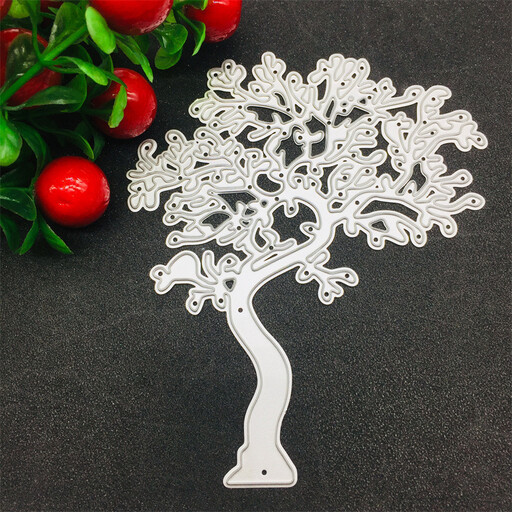
Why this product suits this profile: The product description specifies carbon steel and the die is designed for traditional scrapbooking and decorative projects. It’s a good option for beginners who want to start with a decorative design.
The material details are more specific than a general marketing claim. You’ll still need to check that the die is compatible with your machine before ordering.
Described as carbon steel; decorative design for scrapbooking and DIY paper crafts.
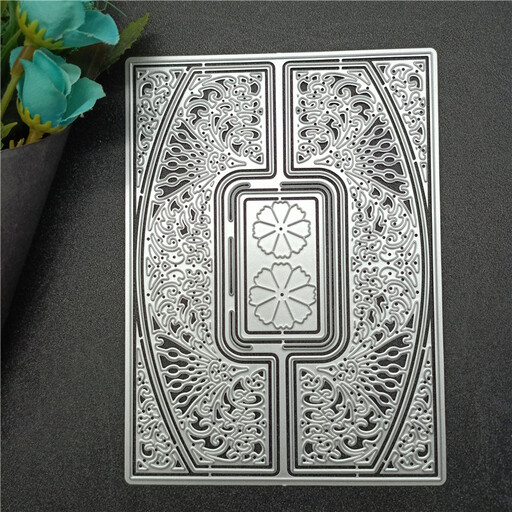
Why this product suits this profile: The frame and floral design is intended for card making, embossing and scrapbooking. It’s a good fit for crafters looking for a well-defined theme for cards and album pages.
The product name specifies the frame, floral pattern and embossing. This makes it easier to check whether it suits your project.
Frame and floral design; the product description says it’s intended for card-making machines, embossing and scrapbook albums.
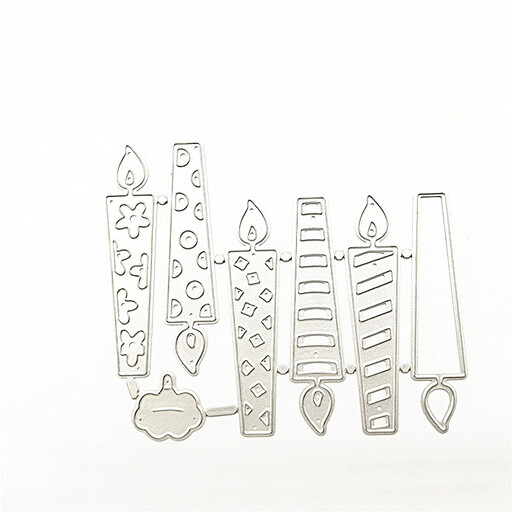
Why this product suits this profile: The candle design is ideal for greetings, birthday and occasion cards. It’s a good choice for crafters who regularly make cards for specific occasions.
The specific occasion-themed design helps you avoid buying embellishments that don’t suit your project. A neutral set may be more versatile for other card themes.
Specific candle design; the product description says it’s intended for card making, scrapbooking and embossing stencil projects.
We’ve put together a complete, regularly updated list of products that meet these strict selection criteria and fully comply with the safety regulations in force in the EU.
No. Compatibility depends on factors such as the type of machine, working width, plate configuration and material thickness. Check your machine’s specifications and compare them with the die’s product description.
It depends on the die and machine. Thin craft paper is often easier to release from the die, while heavier card offers more stability but may need greater machine pressure. Try a scrap piece first, before using high-quality paper or finished cards.
Remove paper scraps after every use, store the dies in a dry place and avoid materials that aren’t suitable. With intricate designs, work slowly and evenly. Using the right plates, applying the correct machine pressure and storing the dies properly will also help them last longer.