
Lieferung heute & morgen

Qualitätsgarantie

Willkommens-Angebote freischalten: KOSTENLOSE Lieferung | Bis zu 80 % RABATT | Kostenlose 30-Tage-JoyPlus-Testphase
App herunterladen
Flowers, leaves, letters or festive motifs give cards and photo albums a personal touch. Metal die cutting dies for scrapbooking may look straightforward at first glance, but not every design works with every die-cutting machine or material. If you buy based on the product image alone, you could end up with a die that is too small, incompatible, or unsuitable for the cardstock you have in mind.
Many listings mention die-cutting machines, embossing and cutting all at once. However, that does not automatically mean every die works with every machine. Key factors include:
Before you buy, it is worth checking the instruction manual for your machine. This is especially important for cutting templates for card making, which can be used with different pressure systems.
Fine petals, narrow letters or small inner cut-outs may look clean on thin paper, but can be trickier to remove from thicker cardstock. Conversely, very small motifs can lose their impact on large cards. So, always compare the actual dimensions with your planned project before purchasing.
Depending on its construction, a metal die may be designed for cutting, embossing, or both. To create a raised surface, you usually need additional plates or a suitable embossing mat. A product name that includes “Embossing” does not replace the need to check machine compatibility and what is included in the package.
For die cutting dies for paper, metal is standard because it gives the cutting edge a defined contour. However, terms like “Metal Cutting Dies” do not automatically describe the type of metal, its thickness, or the surface treatment. If this information is missing, base your decision more on the design, dimensions, what is included, and the return policy.
For simple paper projects, thin craft paper and photo cardstock are often sufficient. Cardstock, foil, fabric, leather or plastic have different requirements. A die designed for scrapbooking is not automatically suitable for all these materials.
For recurring projects, different types of dies can be useful:
With a die cutting die set, also check whether the different sizes actually fit together. Nesting dies, for example, are ideal for frames and layered paper designs.
When removing paper, small inner sections of the design can remain. A suitable paper picker or precision tweezers can make this process easier. Store your dies in a dry, protected place to prevent the cutting edges from bending or becoming damaged.
For larger cuts of cardstock, foil or craft material, a separate craft knife can be useful. Sharp blades should be kept out of children’s reach and must be fully retracted or secured after use.
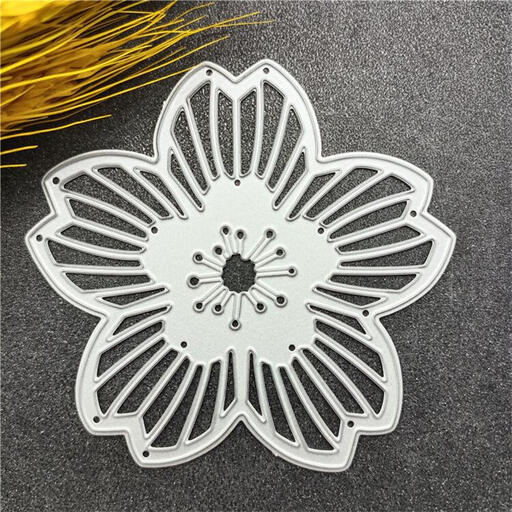
Why this product fits the profile: The floral design is intended for classic card and scrapbooking projects and can be used thematically in many different ways.
The clearly recognisable floral motif makes selection easier compared to vague product images. However, you should still check the machine format and what is included before buying.
Floral design; according to the product name, intended for card making, paper and scrapbooking machines.
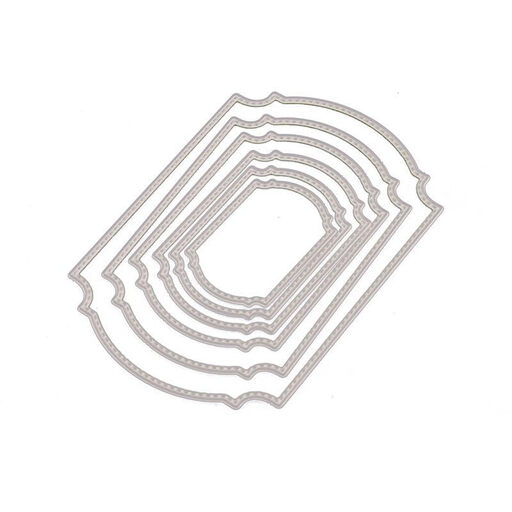
Why this product fits the profile: Six differently sized, interlocking frames support precise layouts, photo cut-outs and multi-layered cards.
The six specified sizes make the scope of the set clear. Before ordering, you should still check the exact dimensions and machine compatibility.
Six-piece set; stitched, irregular rectangular frames according to the product name.
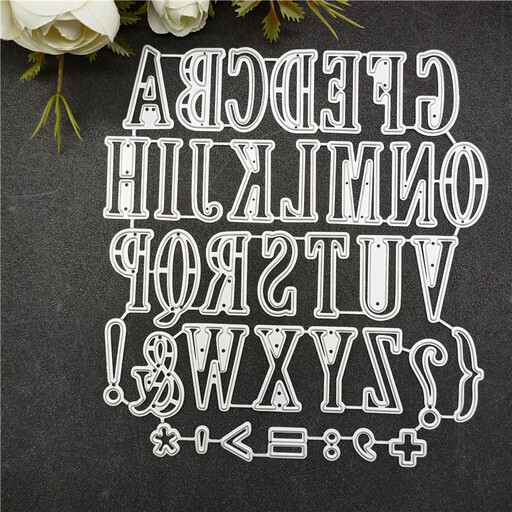
Why this product fits the profile: A complete set of 26 capital letters is ideal for names, headings and recurring DIY card-making projects.
The number of letters is clearly stated, preventing any confusion about an incomplete set. You should also compare the font size and character dimensions.
26 capital letters; according to the product name, intended for scrapbooking, cards and paper crafts.
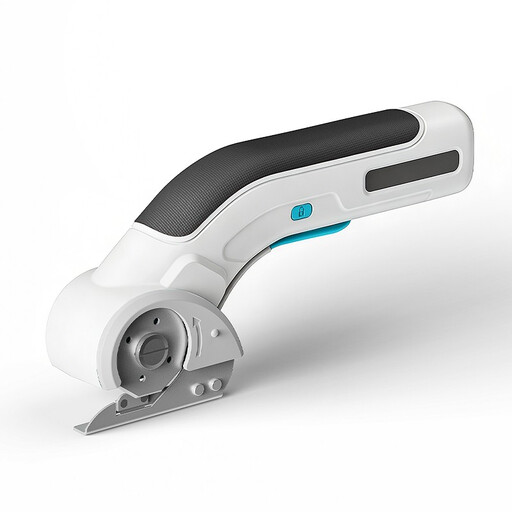
Why this product fits the profile: This tool is aimed at users who want to cut felt, carpet, leather, plastic or cardstock in addition to paper.
The product details list the compatible materials, a 4.2-volt battery, USB-C charging and a blade lock. Only one cutting blade is included.
11,000 rpm according to the product information; 0.39 kg weight, USB-C charging and tool-free blade change.
We have put together a complete, regularly updated list of products that fully meet these strict selection criteria and the safety regulations in force in the EU.
Before using a die for the first time, do a test cut on a scrap piece. This lets you check whether the pressure, material and plate setup work well together. For fine embossing templates, a smooth, even pass without excessive pressure is recommended. This protects both the die and the machine.
After use, clean metal dies of any paper residue and store them in a dry place. For frequent projects, a labelled storage folder can be useful. With electric cutters, always follow the manufacturer’s instructions regarding the blade lock, battery charge level and safety precautions.
For getting started, clearly recognisable motifs such as flowers, leaves, simple frames or individual greeting symbols are practical. They can be used in cards, photo albums and gift wrapping. It remains important to choose the right dimensions and ensure compatibility with your die-cutting machine.
This depends on the die, the thickness of the cardstock and your machine. The product description does not always specify a precise material range. So, first check the maximum material thickness of your machine and the instructions for the specific die. A test cut reduces the risk of uneven edges.
The lifespan depends on the material, pressure, frequency of use and storage. Excessive pressure, unsuitable materials or an incorrectly assembled machine plate can put strain on the cutting edges and embossing mats. Dry, protected storage and using the dies within their intended material range will help ensure consistent performance.