
Lieferung heute & morgen

Qualitätsgarantie

Willkommens-Angebote freischalten: KOSTENLOSE Lieferung | Bis zu 80 % RABATT | Kostenlose 30-Tage-JoyPlus-Testphase
App herunterladen
Personalised photo albums, greetings cards and paper decorations often come together through small details: a frame, a flower, a butterfly or a seasonal design. Metal die-cutting dies for scrapbooking can repeatedly cut these elements from paper, card or thin craft materials, and some can also emboss them. Before buying, however, it is worth taking a close look at compatibility, material specifications and the size of the design.
Not every scrapbooking die will automatically work with every die-cutting and embossing machine. Important factors include the die’s external dimensions, the required plate combination and the material thickness recommended by the machine manufacturer. If specific details are not provided, check your machine’s instruction manual before buying.
Product images often show decorative arrangements, but they do not always give a realistic impression of the actual size. A small flower die may be suitable for a greetings card, while a large frame may be intended for a photo album or the front of a card. Compare the stated length and width with your planned project.
Many listings mention cutting and embossing together. However, the result depends on the design, the paper and the plate system used. Fine embossing templates can create an outline or texture, while a metal die is primarily intended for cutting. If you need both functions, check that the design is explicitly intended for both applications.
Several listings specify carbon steel as the material. Carbon-steel dies are intended for cutting paper and craft card, but their suitability still depends on the construction and the machine used. A material description alone is no substitute for compatibility information.
Also look for:
For die-cutting dies for card making, smaller lettering, flower, star or frame designs are practical. Die-cutting dies for photo albums, on the other hand, can be larger and serve as page elements, backgrounds or picture borders. For weddings, holidays and seasonal projects, dedicated wedding card dies or Christmas dies are a useful addition.
Before buying, check:
Do not assume that a die will be suitable for every material. Thin paper behaves differently from thicker card, foil or coated craft paper. With intricate designs, backing paper, wax paper or a poking tool can make handling easier. A separate cutting tool may be useful for precise cuts outside the die-cutting machine; however, sharp blades should be kept away from children and stored safely.

Why this product suits this profile: According to the product name, the set contains four carbon-steel metal dies for DIY paper and card-making projects.
The material and number of pieces included are clearly stated. Machine compatibility still needs to be checked before buying.
Four dies made from the specified carbon steel for paper and card-making projects.
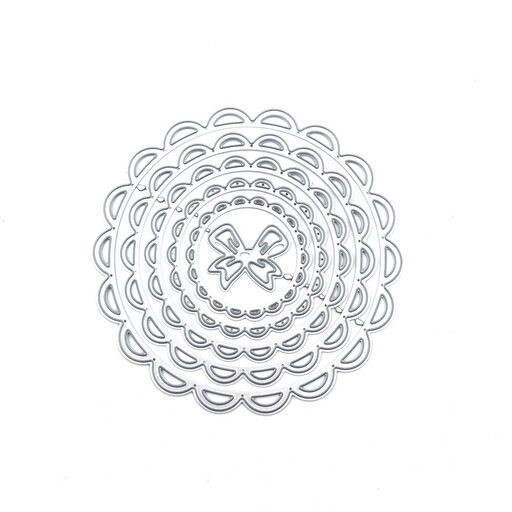
Why this product suits this profile: Frame shapes add structure to cards, album pages and paper compositions with a clear outer outline.
Its intended use as a frame die is clear. Check the size against your card format before placing an order.
According to the product name, it is suitable for card design, scrapbooking and embossing applications.
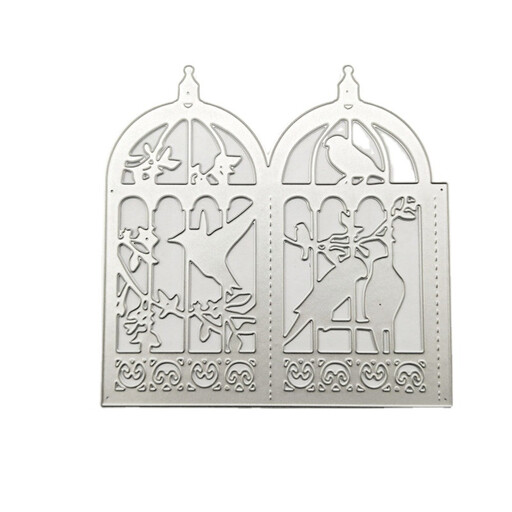
Why this product suits this profile: The design is intended for wedding cards, albums and themed paper decorations.
The specific theme helps prevent buying a design that is unsuitable for your project. For frequent use, check the cutting size and machine compatibility.
Themed cutting stencils for wedding cards, scrapbook albums and paper embossing.
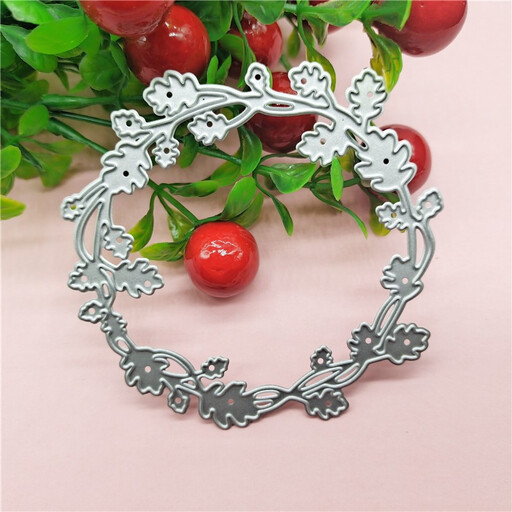
Why this product suits this profile: A wreath design can be used for seasonal cards, album pages and decorative paper projects.
The seasonal theme is clear from the product name. Check the design dimensions and your existing machines before buying.
Wreath design for Christmas cards, scrapbooking and decorative paper crafts.
We have put together a complete, regularly updated list of products that fully meet these strict selection criteria and the safety regulations applicable in the EU.
After die-cutting, carefully remove scraps of paper from the fine cut-outs. A tool with a blunt tip can help without putting unnecessary strain on the cutting edge. Store metal dies in a dry place, especially if they have come into contact with damp paper or adhesive.
For recurring projects, it is useful to organise dies by theme: flower dies, frame dies, wedding card dies and Christmas dies remain easy to find. If cutting performance starts to decline, first check the paper thickness, plate arrangement and alignment. A blunt edge is not always the cause of an incomplete result.
As a rule, you need a manual or electric die-cutting and embossing machine designed for metal dies. The permitted width, plate combination and material thickness are all important. The specifications for the machine and product should be compatible.
There is no standard lifespan. It depends on the material, the intricacy of the design, paper thickness, pressure setting and storage conditions. Dry storage, a suitable plate arrangement and avoiding excessive force can help extend the dies’ useful life.
Metal dies are primarily designed to cut out shapes. Embossing templates or embossing folders, by contrast, create a texture or outline in the paper. Some products combine both functions; this should be clearly stated in the relevant product description.