
Lieferung heute & morgen

Qualitätsgarantie

Willkommens-Angebote freischalten: KOSTENLOSE Lieferung | Bis zu 80 % RABATT | Kostenlose 30-Tage-JoyPlus-Testphase
App herunterladen
Metal die-cutting dies for scrapbooking are ideal for personalised photo albums, greeting cards, gift tags and paper decorations. They are usually used with a compatible die-cutting or embossing machine to cut designs from paper, card or similar craft materials. However, not every die is suitable for every project or machine.
If you buy based solely on an attractive design, you can easily overlook important technical details. The following tips will help you avoid common mistakes when buying scrapbooking dies and choose options that suit your own crafting style.
A delicate floral design may be perfect for a wedding card but have too many fine cut-outs for a small tag. Conversely, a single small design can quickly look lost on a large album page. Before buying, you should decide whether the die is intended for card-making dies, album pages, frames or individual decorative elements.
The term ‘embossing’ is not always clear either. Some products are mainly designed for cutting, while others also create an embossed effect. You should therefore check the product description to see whether it offers a cutting function, an embossing function or both.
Metal die-cutting dies cannot automatically be used with every die-cutting machine. Important factors include:
If this information is missing, consult your machine’s instructions before buying. A die may appear technically suitable but still be unusable because of its size or height.
Very small cut-outs can tear thin paper or make it difficult to remove the material from the die. When choosing paper die-cutting templates, look for a good balance between the level of detail and the paper thickness you plan to use. For regular projects, clearly defined outlines and sufficiently wide connecting sections are generally easier to handle than extremely intricate patterns.
The reference products are described by name and in the product information as being made from metal. This is generally relevant when using them with a suitable die-cutting machine, but it does not replace checking the specific product details. Look for an even outline, cleanly finished openings and a flat shape. Visible burrs or bent sections can make loading the die and removing the cut material more difficult.
It is not possible to make a general statement about service life without information about material thickness, coating, machine compatibility and frequency of use. If you craft regularly, store the dies in a dry place and remove paper scraps after use.
Small to medium-sized designs are practical for card making. Frame or background designs, on the other hand, need sufficient room on both the cutting plate and the paper. With metal embossing dies, you should also check whether you want a visible raised relief effect or a complete cut-out.
For scrapbook pages, versatile designs such as leaves, flowers, frames and butterflies work particularly well. Alphabet dies are highly versatile but require more individual pieces and a little more sorting.
Not every die works with the same materials. Thin paper, photo card and thicker craft card can behave differently during cutting. For DIY paper crafts, you should also plan for cutting mats, replacement plates, tweezers and a small die-pick tool. These accessories make it easier to remove paper scraps from narrow openings.
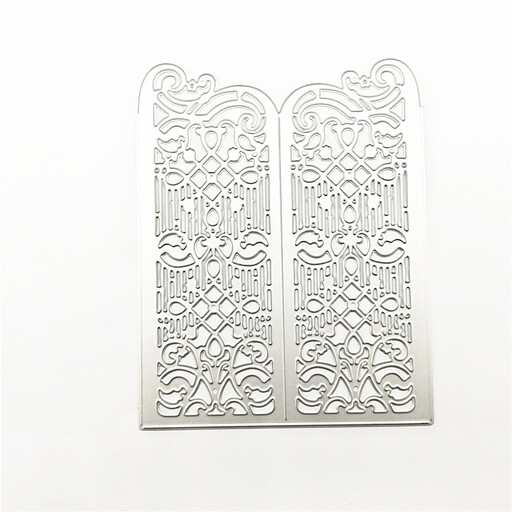
Why this product suits this profile: Its broad focus on scrapbooking, cards, journals and photo albums makes it a versatile starting point for a range of paper projects.
The product name lists several uses and indicates that it is suitable for both cutting and embossing. However, you should still check machine compatibility before buying.
Metal construction according to the product name; designed for scrapbooking, cards, journals and photo album decoration.
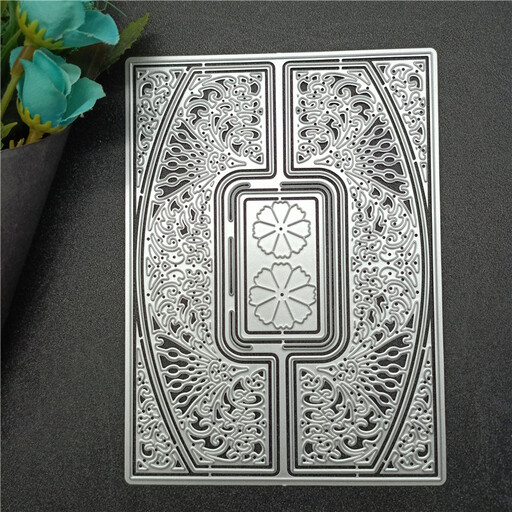
Why this product suits this profile: The floral frame design is ideal for structured card layouts, album pages and decorative paper surfaces.
A frame design is clearly intended for decorating larger surfaces. You should still check the dimensions to make sure it suits your card or album format.
Floral frame design according to the product name; intended for card making, paper embossing and scrapbook machines.
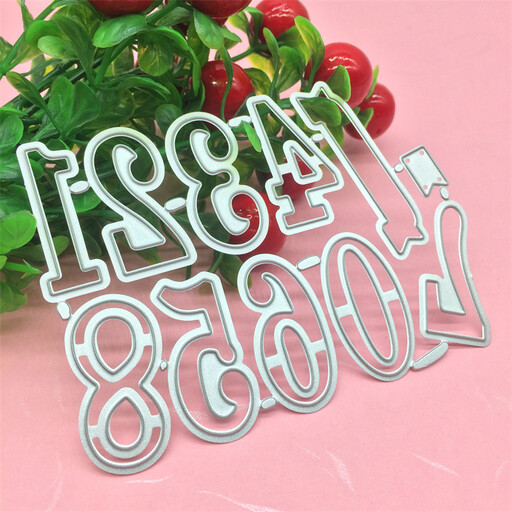
Why this product suits this profile: A set of letters and numbers supports personalised greeting cards, names, dates and labels in photo albums.
The included characters are clearly specified: 26 uppercase letters and 10 numbers. This makes it easier to compare the set’s scope with your needs before buying.
Alphabet set with uppercase letters and numbers according to the product name; suitable for cards, paper projects, albums and birthday decorations.
We have put together a complete, regularly updated list of products that fully meet these strict selection criteria and the safety regulations applicable in the EU.
For wedding card decoration, frames, flowers, leaves and themed lettering work particularly well. For children’s cards, you could use designs such as butterflies, stars or baby feet. If you make cards regularly, a combination of basic shapes and interchangeable accent designs can be especially useful.
For scrapbook album accessories, background designs, frames and botanical motifs are particularly versatile. Flowers and leaf dies can be combined in different colours, while alphabet dies allow you to add labels. To keep everything organised, store the individual dies by design and size in labelled sleeves.
You will generally need a manual or electronic die-cutting and embossing machine. Before buying, compare the plate size, material height and the accessories approved by the machine manufacturer. There is no universal guarantee that a die will work with every machine.
Their service life depends on the material, workmanship, paper thickness, machine pressure and frequency of use. Without technical information from the manufacturer, it is not possible to give a reliable specific timeframe. Dry storage, careful removal and using suitable plates can help prevent unnecessary wear.
Some models are designed for both cutting and embossing, while others are intended for cutting only. Terms such as embossing templates or ‘embossing’ in the product name are an indication, but you should compare them with the full product description and your machine’s instructions.