
Lieferung heute & morgen

Qualitätsgarantie

Willkommens-Angebote freischalten: KOSTENLOSE Lieferung | Bis zu 80 % RABATT | Kostenlose 30-Tage-JoyPlus-Testphase
App herunterladen
When buying metal dies for card making, you usually want to cut precise shapes from paper, card or thin craft materials for use on greeting cards, photo albums or scrapbooking projects. The choice ranges from flower and letter dies to Christmas, cross and border designs. However, many sets look more alike in product images than they are in practice.
A delicate design can look large on screen, while its actual dimensions may be unsuitable for a greeting card. Before buying, you should therefore check the length, width and, where applicable, the number of individual pieces. For an A6 card, large dies may take up more space than intended, while smaller designs are better suited to album decoration or layered paper projects.
The term metal die templates initially describes only the material. It does not automatically tell you whether a set is compatible with your die-cutting machine or how easily particularly fine lines can be released. Details such as carbon steel, the number of dies and the intended application are more informative than general marketing terms.
Not every cutting die is also an embossing die. With embossing for paper crafts, the material is mainly shaped to create a raised relief, whereas paper cutting dies cut out contours. Some products are described as suitable for both applications, but you should check their specific compatibility with your machine, plates and paper thickness before use.
If you craft frequently, a set made from carbon steel may be worth considering, provided this is explicitly stated in the product description. It is also important to check whether the cutting lines are cleanly formed and whether the design consists of one piece or several. Simple metal dies may be sufficient for occasional projects, while clear material information is useful for regular album decoration.
Letter dies require different dimensions from flower dies or border dies. For scrapbooking headings, each character should be large enough and easy to read. Delicate roses, lace patterns and ornaments can decorate greeting cards, but they often require suitable paper and careful removal from the die.
In particular, check:
For scrapbooking dies, versatile designs, letters and borders are practical. Christmas dies or Valentine’s Day designs may be suitable for seasonal projects. Cross dies are often sought for religious cards and album pages, while flower designs can be used for general paper decorations. Clearly identifying the intended use helps prevent you from buying a set whose design is suitable for only one occasion.
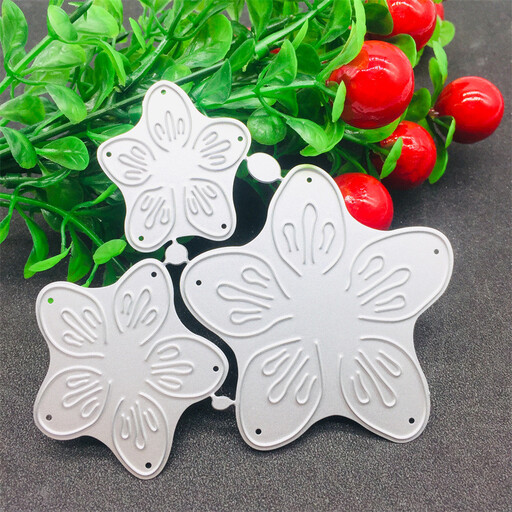
Why this product suits the profile: The flower design is intended for classic greeting cards, scrapbooking and simple album decoration. It is suitable for beginners who want to start with a clear, easy-to-use design.
The design is more clearly defined than with unstructured mixed sets. You should still check the size, contents and machine compatibility before buying.
Flower design; according to the product name, intended for cards, scrapbooking and paper decoration.
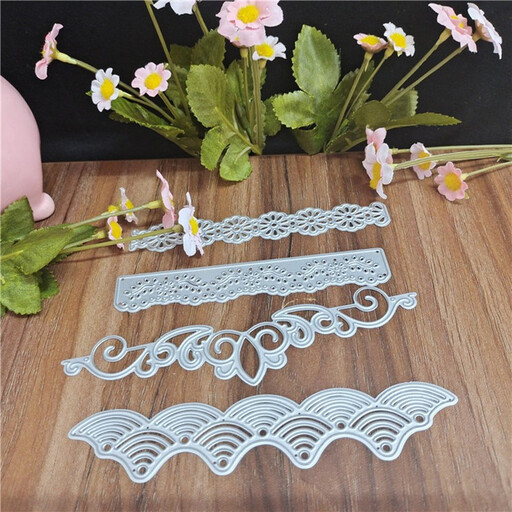
Why this product suits the profile: The product name specifies four dies and carbon steel. This makes two important points of comparison immediately clear.
The material information reduces uncertainty compared with products that mention only “metal”. Suitability for your own machine still needs to be checked separately.
Four dies; carbon steel according to the product name; specified for paper cards and DIY craft supplies.
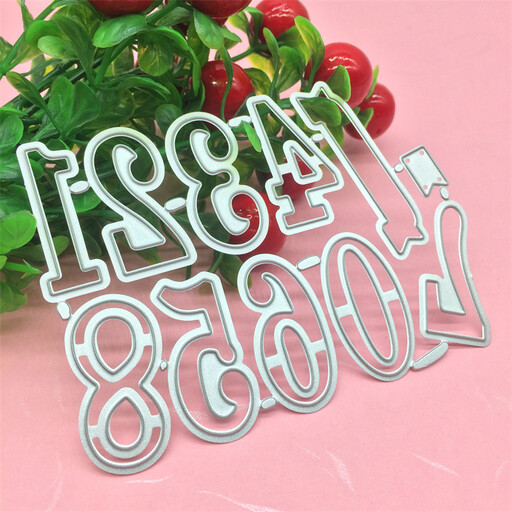
Why this product suits the profile: According to the product name, the set contains 26 capital letters and 10 numbers. It is aimed at crafters who want to create names, dates or short headings for cards and albums.
The contents explicitly list letters and numbers. This allows you to check in advance whether you need a complete alphabet rather than individual decorative characters.
26 capital letters; 10 numbers; suitable for names, birthday cards and album pages.
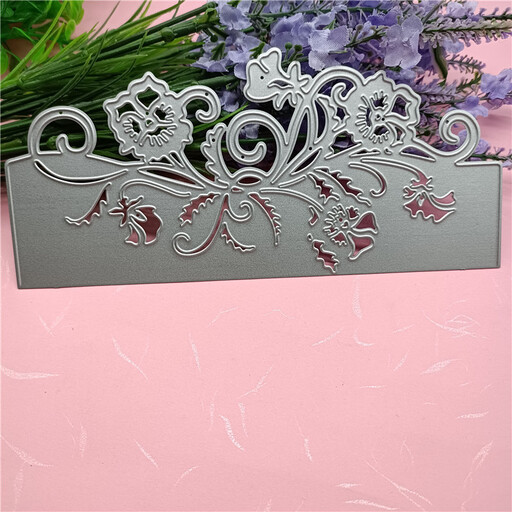
Why this product suits the profile: The product name refers to Christmas, birthday, wedding and congratulatory cards. The set is therefore suitable for seasonal and occasion-specific paper projects.
The intended use is linked to specific occasions. This makes it easier to judge whether the design set fits your own crafting calendar.
Several stated card-making occasions; intended for scrapbooking and paper decoration.
We have put together a complete, regularly updated list of products that fully meet these strict selection criteria and the safety regulations applicable in the EU.
For paper crafts, the material should lie as flat as possible on the cutting plate. Thin paper is often easier to release, while thicker card may require greater pressure from the machine. With delicate paper cutting dies, it helps not to open the die too quickly and to remove small paper scraps carefully.
Store metal dies in a dry place and keep them separate from one another. Paper or adhesive residue can affect the contours. Follow the appropriate care or cleaning advice for the material and the manufacturer’s instructions. With embossing designs, also check whether the machine can be used with the required plates and pressure settings.
For beginners, clearly recognisable designs such as flowers, simple borders or individual decorative symbols are easy to work with. Letter sets are useful if you regularly want to create names or short messages. Clear information about the contents and compatibility with your existing die-cutting machine is important.
There is no reliable one-size-fits-all answer. Their lifespan depends, among other things, on the material, the intricacy of the design, the paper thickness used, the machine’s pressure and how they are stored. Using dies only with the intended materials and storing them in a dry place helps prevent unnecessary wear.
That depends on the product and the machine being used. If a die is explicitly described as an embossing stencil or as suitable for embossing, you should also check the machine instructions and the required plates. A cutting die should not automatically be treated as an embossing die.