
Lieferung heute & morgen

Qualitätsgarantie

Willkommens-Angebote freischalten: KOSTENLOSE Lieferung | Bis zu 80 % RABATT | Kostenlose 30-Tage-JoyPlus-Testphase
App herunterladen
Metal dies for card making are ideal for creating personalised greetings cards, invitations, photo albums and decorative paper crafts. Depending on the design, you can use them to create floral details, frames, lettering or seasonal accents. To avoid a disappointing purchase, though, crafters should look beyond an appealing product photo.
Not every metal die is automatically compatible with every manual or electric die-cutting and embossing machine. Important factors include:
If this information is missing, check the product description or contact the seller before buying. A die may look sturdy but still be unsuitable for your machine.
A delicate floral design can look very different on a small card than on an album page. Without measurements, it is difficult to judge whether a die is suitable for A6 cards, larger folded cards or scrapbooking pages.
Very fine lines and narrow openings can be difficult to weed when using very thin paper. Beginners may find clear outlines and less intricate designs easier to work with.
Terms such as metal dies, embossing folders and ‘embossing’ are sometimes used alongside one another in product listings. A cutting die cuts paper along a defined outline. An embossing folder, by contrast, mainly creates a raised or indented texture.
Some products are designed for both techniques, while others are intended for just one. Before ordering, check whether you want a full cut, an embossed effect or simply a decorative pattern.
When choosing metal dies for card making, look for evenly finished material and a clearly defined cutting edge. The product description should provide as much detail as possible about the construction. If specific information about the type or thickness of metal is missing, marketing terms such as ‘high quality’ are no substitute.
After use, store your dies somewhere dry and dust-free. Over time, moisture can affect the surface of metal accessories. Small pieces can be kept in labelled envelopes, organiser boxes or magnetic storage.
Choose a design that suits your project:
If you’re choosing dies for scrapbooking and photo albums, also consider whether you want to use the design as a single feature or as a repeating pattern.
Before starting your first project, it’s a good idea to test-cut the paper you plan to use. Check the following:
Special wax paper, an embossing mat or a die pick can be useful for intricate dies. These accessories are not automatically included, so check separately whether they come with the product.
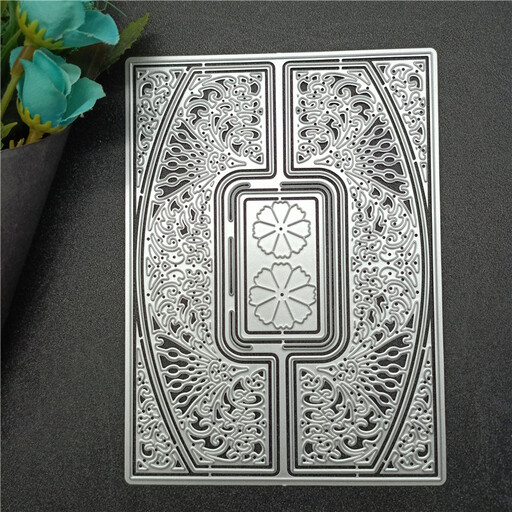
Why this product suits this profile: The floral frame combines a decorative border with flower details, making it a good option for first card-making or scrapbooking projects. Check the dimensions and machine compatibility before buying.
The recognisable frame design makes it easier to picture how you’ll use it. However, the product information is limited, so check the size and accessories before ordering.
Floral frame design; described as suitable for card making and scrapbooking.
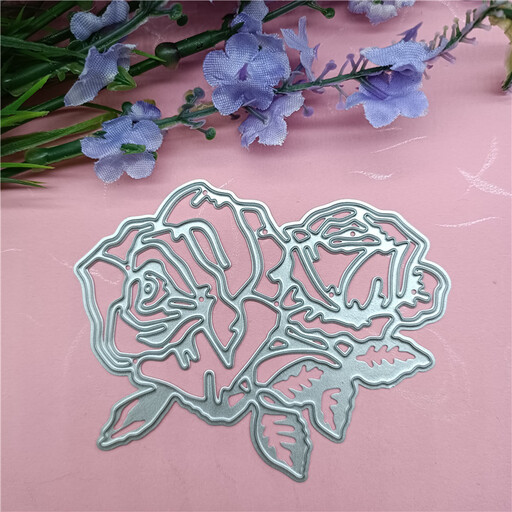
Why this product suits this profile: The rose design is for anyone who prefers a clearly defined floral motif for DIY card making and paper crafts.
A single main design makes it easier to plan your project than a mixed set with less predictable contents. For fine details, test-cut it with the card you intend to use.
Rose design; described as suitable for cards, photo album decorations and scrapbooking.
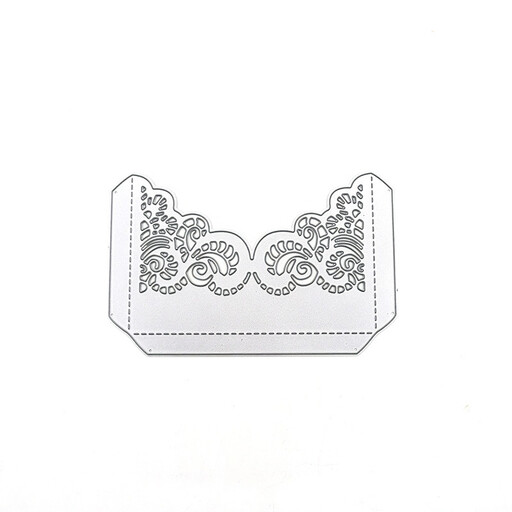
Why this product suits this profile: A set featuring floral and border designs could be a good choice for making a series of cards, wedding invitations or decorative photo album pages.
The set includes several types of decoration. To make sure it offers good value, compare the individual designs, sizes and what’s actually included.
Features borders and floral designs; intended for invitations, scrapbooking and photo albums.
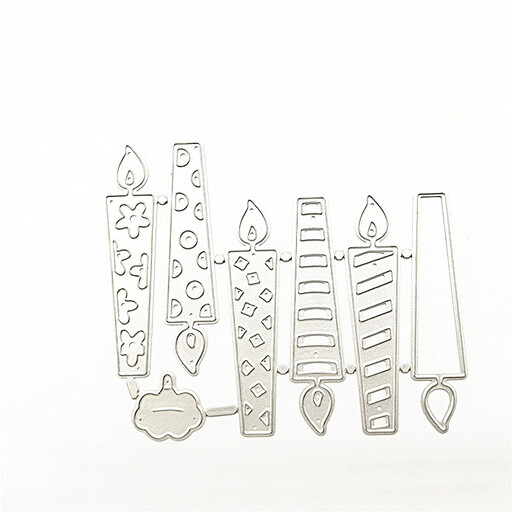
Why this product suits this profile: The candle design is intended for birthday cards, greetings cards and festive DIY paper crafts.
The clearly defined theme helps you avoid buying a collection of designs that don’t suit your needs. For more versatile projects, consider adding a neutral set.
Candle design; described as suitable for birthday and greetings cards, as well as scrapbooking.
Store metal dies somewhere dry and, if possible, sort them by design. With sets, grouping them by theme can help – for example, flowers, frames, lettering and seasonal shapes. After cutting, remove any paper scraps from the openings, taking care not to damage the cutting edge with hard objects.
If you make DIY cards regularly, it’s worth planning your materials in advance. Choose base card, patterned paper, adhesive and envelopes that work with the die in terms of colour and thickness. This helps you avoid a design that cuts well but won’t fit in the envelope because the finished card is too thick.
We’ve put together a complete, regularly updated list of products that meet these strict selection criteria and fully comply with the safety regulations in force in the EU.
You’ll usually need a compatible manual or electric die-cutting and embossing machine. Suitability depends on the die’s size and design, as well as the required plate combination. Check the manufacturer’s and product information before buying.
There’s no set lifespan. It depends on the material, cutting-edge finish, paper thickness, pressure setting and care. Keeping your dies dry and using them within the machine’s recommended settings can help maintain their performance.
This depends on the design and the product. Thin paper is usually easier to remove from intricate dies, while thicker card makes for sturdier cards. If no specific paper thickness is given, it’s worth doing a test cut with the material you plan to use.