
Lieferung heute & morgen

Qualitätsgarantie

Willkommens-Angebote freischalten: KOSTENLOSE Lieferung | Bis zu 80 % RABATT | Kostenlose 30-Tage-JoyPlus-Testphase
App herunterladen
Metal dies for scrapbooking are useful when you want to cut decorative shapes consistently and precisely from paper, card or other thin craft materials. At first glance, choosing one seems simple: pick a design, place your order and get started. In practice, though, unclear product details, missing measurements or an incompatible die-cutting machine can often lead to the wrong purchase.
These three pitfalls are particularly common:
Carbon steel is often used for metal dies for scrapbooking. The product Big Tree Metal Die Cuts, Scrapbooking DIY Template, Carbon Steel, Decorative specifically mentions carbon steel in its name. This gives you a useful indication of the material, but you should still check the edges, how well the die holds its shape and any care instructions.
Look out for the following:
With embossing folders, the design is formed by pressure rather than by cutting all the way through the material. So check whether the product is actually suitable for embossing or is sold only as a paper-cutting die.
The die’s overall measurements determine whether it’s suitable for cards, invitations, photo albums or larger scrapbook pages. For frame dies, it’s also important to check the inner and outer outlines. A frame may form a complete border, a corner or a decorative cut-out.
Intricate flower dies and butterfly dies usually take longer to release the paper. Thin paper can be easier to work with than thick card when a design has very small sections. For large shapes or background patterns, the description should give the actual design measurements.
Before you buy, check whether the metal die will work with your die-cutting machine. Look at:
Not every listing includes full technical details. If measurements or compatibility information are missing, it’s worth contacting the seller. This helps you avoid buying a decorative die that looks right but won’t work with your machine.
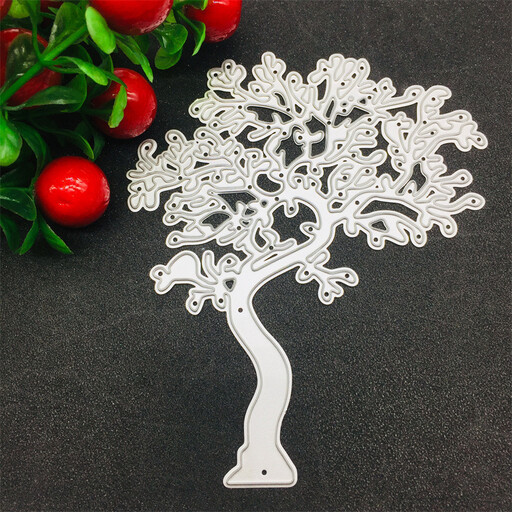
Why it suits this profile: The carbon steel specification and decorative DIY design give you a clear starting point for paper projects, provided the size and machine compatibility are right.
The material is clearly specified, making it easier to compare with products that don’t state what they’re made from.
Carbon steel, according to the product name; decorative design for scrapbooking and DIY craft templates.

Why it suits this profile: An edger die is designed to create decorative card edges, making it a good choice if you want a clearly defined purpose for your card-making projects.
The product is explicitly described as an edge die, so its intended use is clearer than with listings that give only a general design description.
Described as an Edger Craft Die for decorative card edges; the “Best Wishes” design is ideal for greetings cards.
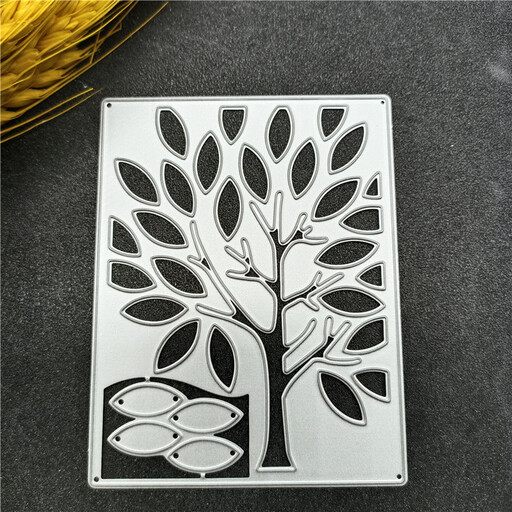
Why it suits this profile: The leafy branch design works well for cards, photo albums and floral layering projects, provided your machine supports the die.
The product name mentions both card making and a scrapbook machine, helping you match it to your intended crafting process.
Leafy branch design; described as suitable for cards, embossing, scrapbooking and use with a scrapbook machine.
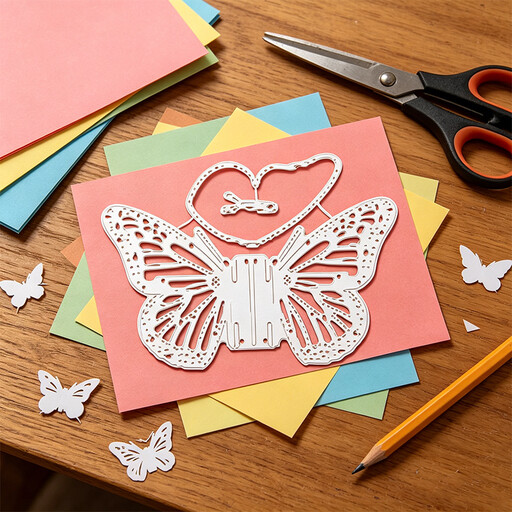
Why it suits this profile: A butterfly die is a good choice if you’re looking for a clearly recognisable individual design for cards, albums or decorative paper projects.
The product clearly mentions the design, stencil and album decoration. Even so, check the measurements before you buy.
Butterfly design; described as suitable for scrapbooking, paper cards, albums and decorative projects.
We’ve put together a complete, regularly updated list of products that meet these strict selection criteria and fully comply with the safety regulations in force in the EU.
Place the paper and die straight between the plates provided. With intricate designs, thinner paper may be easier to remove from the die. Carefully clear away any paper scraps rather than prising them out with sharp objects. Store metal dies somewhere dry and, where possible, flat. This helps protect fine details.
For photo albums and cards, it’s a good idea to make a test cut first. This lets you check the design size, paper thickness and colour combination before cutting into the material for your finished project.
It depends on the die-cutting system and the product specifications. Check the plate size, permitted material thickness and compatibility information. There’s no single answer that applies to every machine.
Their lifespan depends on factors including the material, paper thickness, design complexity, pressure and care. Frequent use with very thick card can put more strain on the cutting edge than occasional projects with thin paper.
Not necessarily. Some products are described as suitable for both cutting and embossing, while others are intended for cutting only. So check the specific product description and the accessories required for your machine before using a die for embossing.