
Lieferung heute & morgen

Qualitätsgarantie

Willkommens-Angebote freischalten: KOSTENLOSE Lieferung | Bis zu 80 % RABATT | Kostenlose 30-Tage-JoyPlus-Testphase
App herunterladen
Metal dies for scrapbooking are ideal for cards, photo albums, journalling pages and many other paper projects. The selection ranges from floral and butterfly designs to frames, numbers, backgrounds and Christmas decorations. However, the design is not the only important factor. If you overlook the technical details before buying, you may end up with a die that is incompatible with your existing machine or less versatile in everyday use than expected.
Product images often show beautifully decorated cards. However, this does not automatically tell you which items are actually included. Stamps, paper, embossing plates or decorations may appear in the image even though only the metal die is supplied.
Therefore, look out for information such as “Only Cutting Dies” and check the exact set description. If the details are unclear, check whether the product is a single die, a multi-piece set or a combination of dies and clear stamps.
Metal dies are not universally compatible with every machine. Important factors include:
A plate sandwich that is too thick or incorrectly assembled can result in incomplete cuts and put unnecessary strain on the machine. The machine manufacturer's specifications should therefore always take priority.
Lace backgrounds and very fine outlines look decorative, but they can be more difficult to release when used with heavily textured or thick paper. For regular projects using standard craft card, clearly defined outlines are often easier to work with. Delicate metal embossing dies are better suited to users who specifically want to create raised and lace-like effects.
Product descriptions may refer to materials such as metal and carbon steel dies. Carbon steel is a specific material specification, but you should still check other details such as the edge shape, coating and care instructions. A die should be well made and free from visibly sharp burrs along the outer edges.
Flat metal dies are often sufficient for simple craft projects. If you also want to create embossed textures, check whether the item is explicitly described as an embossing stencil, embossing die or cutting die only. Cutting and embossing are not identical functions on every model.
With die-cutting templates for paper, the intended use is important. A large background pattern can decorate an entire card front, while small flowers, leaves or butterflies can be used as accents in photo albums. Where possible, check:
Multi-piece sets are particularly practical when you need several sizes or layering effects. A single specialist die may be more suitable if you regularly use a particular design.
Not every type of paper can be die-cut using the same settings. Thin scrapbooking paper, photo card, tracing paper and heavier craft card may require different plate combinations or several passes, depending on the machine. Start by using a piece of leftover material and check whether all the inner areas have been cut cleanly.
With delicate craft dies for paper, specialist wax paper or carefully releasing the paper with a suitable tool can help. Avoid using force, as fine metal bridges can bend.
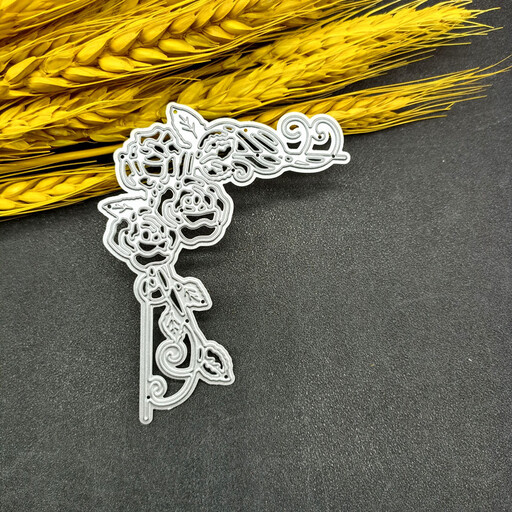
Why this product suits this profile: Its broad focus on scrapbooking, albums, paper decoration and cards makes it a versatile introduction to a range of paper projects.
Before buying, you can check the product page to confirm whether the item is described as a cutting and embossing stencil and whether the images match the expected contents.
A broad range of uses for cards, albums and paper decoration is stated in the product name; an embossing function is also mentioned.

Why this product suits this profile: This set is aimed at users who want to combine several shapes and are looking for a clearly stated carbon steel construction.
The material and number of pieces are stated in the product name. Even so, you should check machine compatibility and the actual dimensions separately before ordering.
Four-piece design according to the product name; carbon steel specified as the material; intended for DIY card-making and paper crafts.
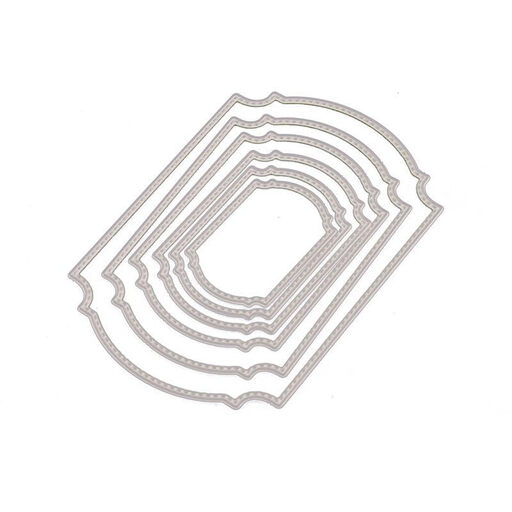
Why this product suits this profile: The six differently sized frame shapes are ideal for recurring layouts in cards, photo albums and paper collages.
The stated number of pieces makes it clear that this is more than a single frame. This makes it easier to assess in advance whether the set suits your planned layout.
Six sizes according to the product description; stitched frame effect; intended for card-making and scrapbooking.
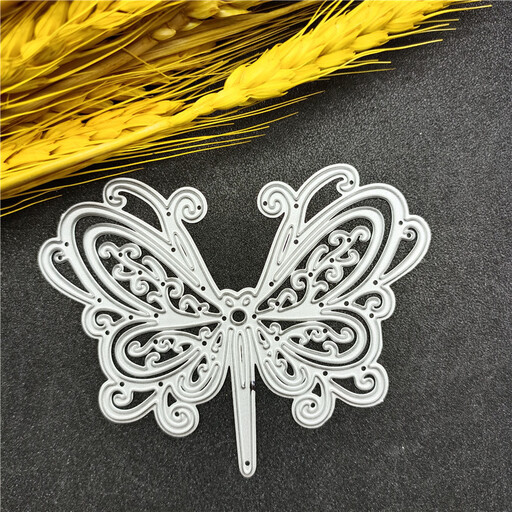
Why this product suits this profile: The clearly defined butterfly design is aimed at users looking specifically for a decorative individual motif for cards and albums.
The design is clearly named in the product title. Before ordering, however, you should check whether the size, orientation and number of dies suit your card formats.
Butterfly design according to the product description; intended for scrapbooking, cards and album decoration; described as a stencil or die.
For versatile craft collections, flower dies and leaves can be combined in a variety of ways. The product group featuring flower and leaf designs is ideal for layering several paper colours. Lily shapes and small flowers can also be used specifically for floral card designs.
Butterfly dies are perfect for spring cards, invitations and photo album decoration. For seasonal projects, consider Christmas wreath dies. If you want to create lettering, birthday numbers or years, you can search for number dies. Frame dies add structure to photos and text panels, while background shapes decorate larger areas.
For geometric projects, square lace patterns or irregular rectangular frames can provide an alternative to classic circular shapes. The key is to ensure that the dimensions and design style work well with your existing project.
We have put together a complete, regularly updated list of products that fully meet these strict selection criteria and the safety regulations applicable in the EU.
This depends on the specific machine model and the size of the die. Check the permitted material width, plate arrangement and manufacturer's specifications. A metal die should never be forced through the machine. If you are unsure, test it first with plain paper and a correctly assembled plate sandwich.
Their lifespan depends on the material, paper thickness, pressure setting and storage conditions. Store the dies in a dry place, protected from moisture, and preferably in a way that prevents fine contours from bending. Avoid unnecessarily thick materials if the machine or product description does not state that they are suitable.
Not every cutting die is automatically suitable for embossing. Terms such as “Embossing”, “embossing die” or “Embossing Template” in the product description provide an initial indication. Depending on the machine, you may also need a suitable rubber mat or embossing plate. Check your die-cutting machine's instructions before embossing.