
Lieferung heute & morgen

Qualitätsgarantie

Willkommens-Angebote freischalten: KOSTENLOSE Lieferung | Bis zu 80 % RABATT | Kostenlose 30-Tage-JoyPlus-Testphase
App herunterladen
Scrapbook albums, personalised greeting cards and festive table decorations often only feel complete once precise cut details have been added. Metal dies for scrapbooking can provide reusable designs for this purpose – provided the shape, material and compatibility are right for your craft machine. As a Joybuy Product Recommendation Officer, I have filtered the most important buying criteria and common marketing pitfalls for crafters in Germany.
Not every metal template serves the same purpose. A cutting die is designed to cut a shape out, while an embossing die simply presses a texture into paper. Some products are marketed using both terms without clearly explaining whether a design is actually cut out completely or merely embossed.
Before buying, check the following:
Flower dies, numbers, frames and wedding designs can look versatile in product images. In practice, however, size is the deciding factor. A design that is too large may look overwhelming on a standard card, while a small die can get lost in a photo album.
Pay attention to the stated dimensions of the die and compare them with:
‘Metal’ is not a sufficient quality description. With metal cutting templates, it should be clear whether, for example, carbon steel is specified. The number of dies, the design structure and the option for safe storage are also relevant. If this information is missing, it is difficult to assess how practical the product will be for everyday use.
For frequently used scrapbooking dies, clear material information is helpful. The product ‘4Pcs Metal Cutting Dies, Carbon Steel Embossing Templates for DIY Craft/Paper Card Making’ specifies carbon steel and contains four dies. This is verifiable product information, but on its own it says nothing about the cutting quality on every type of paper.
Fine lines and intricate inner sections usually require careful pressure adjustment and suitable paper. For your first projects, medium-sized, less complex designs are often easier to use.
Many metal dies do not work with hand pressure alone. The key question is whether the die’s format is compatible with your existing cutting and embossing machine. Before ordering, compare the maximum feed width, the plates required and the material thickness recommended by the machine manufacturer.
With dies for card making and dies for greeting cards, your choice of paper is also important. Thin craft paper, card stock and textured paper can behave differently. A test cut using a scrap piece reduces the risk of damaging high-quality paper.
Your choice should be based on the specific craft project:
For purely embossed patterns, embossing dies for paper and embossing templates are the more suitable product category. If you want to remove a design from paper, look specifically for a cutting function instead.

Why this product suits this profile: This set combines four metal dies with clear material information, making it suitable for first card-making and paper projects.
The product name specifies the number of dies and carbon steel, rather than referring only generally to metal.
Four dies per set; carbon steel specified as the material. Check machine compatibility before buying.
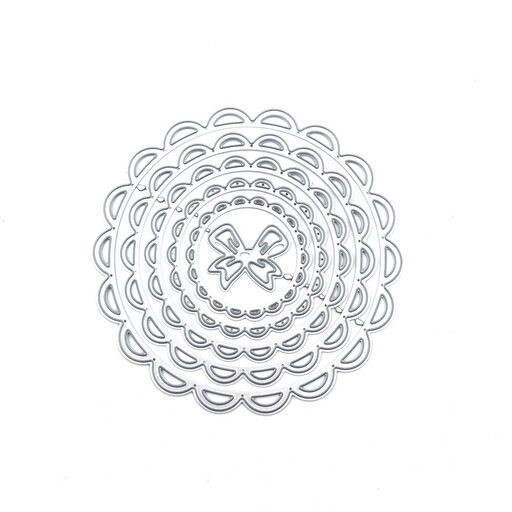
Why this product suits this profile: Frame dies can be used in a structured way for cards, photo albums and paper decorations, provided the dimensions and machine are compatible.
The product type is identified as a frame die and metal die. This makes it easier to clarify the intended use in advance.
Frame design for paper cards and scrapbooking; also described as an embossing die. Check the dimensions.
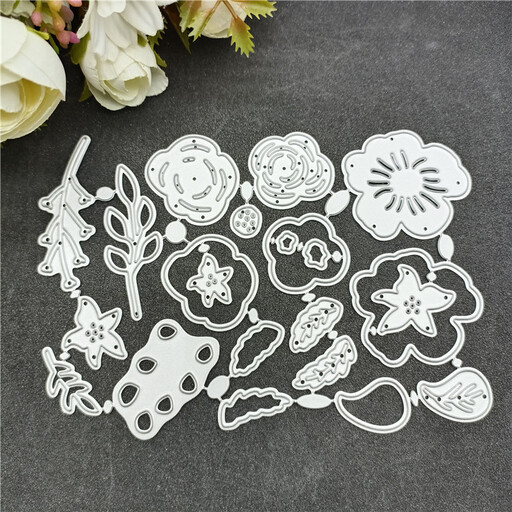
Why this product suits this profile: Flower and leaf designs offer plenty of creative options for floral cards, album pages and decorative paper layers.
The product name clearly identifies the design group as flowers and leaves. This reduces the risk of choosing an unsuitable general-purpose set.
Flower and leaf designs; intended for card making, scrapbooking and paper crafting.
Insert the paper, cutting plates and die according to your machine’s instructions. A test cut will show whether the pressure and material are properly matched. With delicate dies for craft projects, carefully removing the paper with a suitable tool can be helpful. Do not pull the paper forcefully from small inner sections.
After use, metal dies should be stored dry and free from dust. A labelled storage pouch prevents small dies from getting lost or mixed up with other embossing templates. For wedding cards, invitations and gift packaging, we recommend testing the exact paper you intend to use later.
We have put together a complete, regularly updated list of products that fully meet these strict selection criteria and the safety regulations applicable in the EU.
This depends on the particular format and die. Many metal dies are used with a manual or electric cutting and embossing machine. Before buying, check your machine’s plate format, feed width and permitted material thickness.
It is not possible to give a reliable fixed lifespan. This depends on the material, the intricacy of the design, pressure settings, paper and care. Excessive pressure, incorrect plates or damp storage can put greater strain on the die and cutting edges.
Only if the supplier specifies an embossing function and the machine is designed for it. A cutting die should not automatically be treated as an embossing template. The product description and the machine instructions are decisive when making this assessment.