
Lieferung heute & morgen

Qualitätsgarantie

Willkommens-Angebote freischalten: KOSTENLOSE Lieferung | Bis zu 80 % RABATT | Kostenlose 30-Tage-JoyPlus-Testphase
App herunterladen
Metal dies for scrapbooking are ideal for decorative designs on cards, photo albums, journals and paper decorations. The choice may initially seem straightforward, but product images and descriptions do not always make it clear whether a die is compatible with your machine, suitable for your paper size or right for your planned project.
If you choose based solely on the design, you can quickly end up buying a set that sees little practical use. The following criteria help hobby crafters, card makers and DIY creatives compare paper dies objectively and choose suitable dies for card making or photo albums.
Metal dies are available in different sizes and designs. The key consideration is whether the die is compatible with your manual or electric die-cutting machine. Check the following before buying:
If this information is missing, clarify compatibility directly on the product page or with the retailer before placing your order.
Many listings mention cutting and embossing together. However, a cutting die creates a cut-out design, whereas an embossing die can press a tactile pattern into the paper. Depending on its construction, a product may be intended for one or both processes.
For embossing dies and metal dies, it is therefore important to check whether an additional embossing mat, adapter or specific machine combination is required. Without the right accessories, the result may differ from the product image.
A set containing lots of dies is not automatically more versatile. With letter dies, for example, the number of characters included may be important, while with flower dies, the size and compatibility of the individual designs are what matter. Check whether frequently needed letters, numbers or coordinating border designs are included.
It is also worth checking the exact number and range of silhouettes in butterfly dies. A set with four or five designs may be enough for certain card collections, while frequent users may need several sizes.
First, note the available working area of your die-cutting machine. Then compare it with the overall dimensions of the dies. The paper sizes you use are also important for greetings cards and photo albums: a very large background design may be impractical on a small card, whereas delicate individual designs can be positioned more flexibly.
With dies for greetings cards and dies for photo albums, you should also check whether the design is intended to be used as an individual element, frame or background. Frame dies often require enough space around the edges to keep the paper stable as it passes through the machine.
If a listing specifies the material, it should name it clearly. For the “4Pcs Metal Cutting Dies” product, for example, the material is listed as Carbon Steel. Other products in this selection are described only as having a metal construction. This does not indicate a consistent level of hardness or a specific service life.
Avoid claims such as “indestructible” or “suitable for every material” unless they are supported by clear, verifiable information. Metal dies are primarily intended for paper and craft projects. For very thick card, felt or specialist paper, follow the machine instructions and check the permitted material thickness.
Compare more than just the product name. Also check:
Letter and number sets can be useful for recurring projects. For themed albums, however, floral, seasonal, religious or festive DIY craft templates may be more suitable.
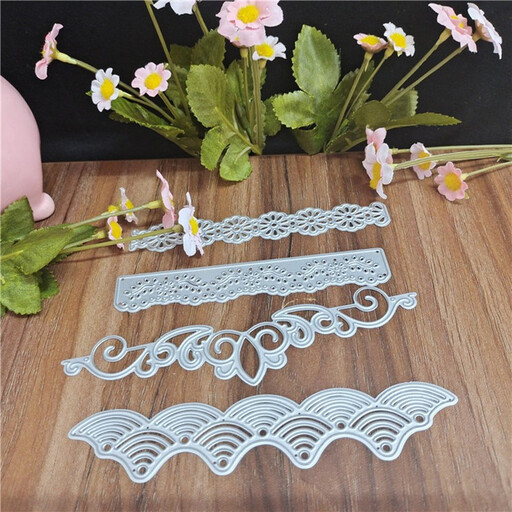
Why this product suits this profile: The set contains four dies and specifies Carbon Steel as the material. This gives beginners a manageable selection for their first paper cards and DIY projects.
The set size is clearer than with listings using vague collective descriptions. Machine compatibility and dimensions still need to be checked before ordering.
Four metal dies included; Carbon Steel is specified in the product name.
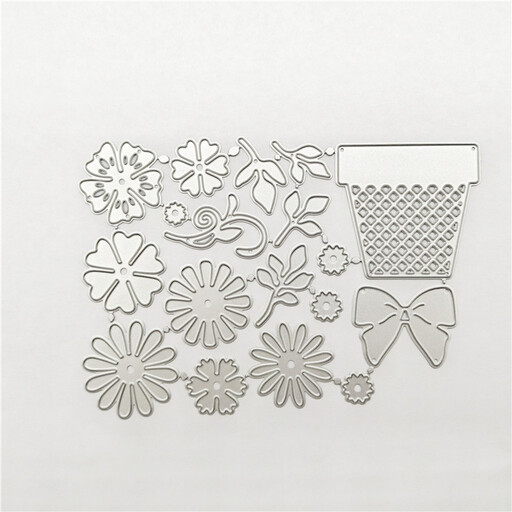
Why this product suits this profile: The product name indicates a flower and leaf design with background and frame functionality. It is well suited to structured album pages and decorative card layouts.
Its background or frame function is stated in the name. Even so, you should check the design size and its suitability for your own die-cutting machine.
Floral design; intended for use as a background or frame design.
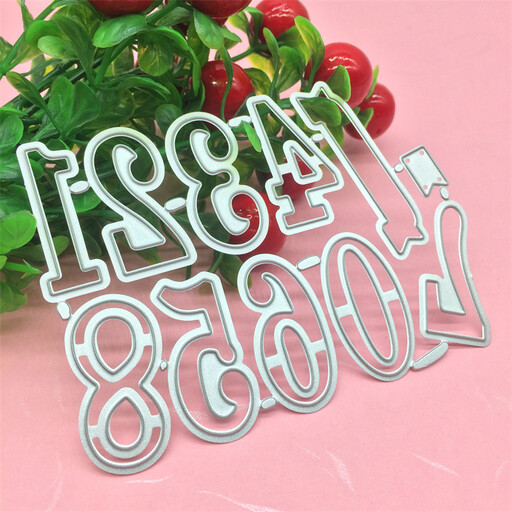
Why this product suits this profile: The set includes 26 capital letters and 10 numbers. It is aimed at users who regularly create names, dates, headings or short texts for albums and cards.
The contents are clearly specified. Before buying, check the use of capital letters, character size and how many letters you may need more than once.
26 capital letters; plus 10 numbers for creating dates and numerical designs.
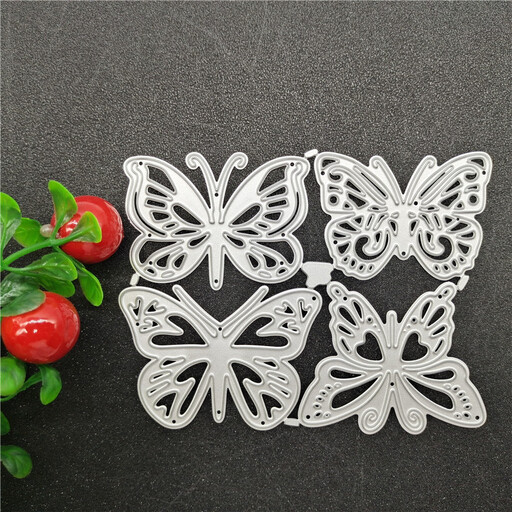
Why this product suits this profile: Four butterfly designs offer a clear introduction to floral and playful card decorations without requiring an extensive themed set.
The number of designs is clear from the product name. Even so, check the sizes and whether the die is intended for cutting, embossing or both applications.
Four butterfly dies; specified for use with cards, albums and scrapbooking.
We have put together a complete, regularly updated list of products that fully meet these strict selection criteria and the safety regulations applicable in the EU.
Place the paper and die straight on the cutting plate. With delicate designs, applying even pressure may be more important than making a high number of passes. Remove paper scraps carefully so that narrow sections do not bend. Small dies should be stored dry and separately from one another.
For dies for card making, individual designs, frames and letters are usually a good choice. For photo albums, larger backgrounds, corners or floral border designs may be more suitable. For wedding cards, birthday cards or religious projects, the design style and card size should work well together. The product name alone does not replace checking the dimensions and contents.
That depends on the particular die and machine. Many metal dies are designed for manual die-cutting and embossing machines, but require suitable plates and, where applicable, an embossing mat. Check the details for both products before buying a die.
There is no standard service life. It depends on factors including the material, level of detail, paper thickness, pressure setting and care. Use the dies only within the recommended machine and material limits, and store them in a dry place.
Not every die is designed for thick card. The permitted material thickness and the machine being used are the deciding factors. If the product information is unclear, thinner craft paper is the safer choice. Also check whether the design contains many fine internal sections, which can be more difficult to cut through thicker material.