
Lieferung heute & morgen

Qualitätsgarantie

Willkommens-Angebote freischalten: KOSTENLOSE Lieferung | Bis zu 80 % RABATT | Kostenlose 30-Tage-JoyPlus-Testphase
App herunterladen
Metal dies for scrapbooking are practical tools for creating personalised photo albums, greeting cards and paper decorations. At the same time, products vary considerably in terms of design size, intended use and compatibility. A low price says little about whether a die will fit your existing die-cutting machine or produce clean results with delicate paper designs.
The following tips will help DIY crafters, card makers and paper-art enthusiasts assess marketing claims objectively and choose the right dies for card making.
Not every metal die is automatically compatible with every die-cutting and embossing machine. Key factors include:
If compatibility information is missing, check your machine’s instruction manual before buying. The required pressure distribution can vary, particularly with large or highly intricate designs.
A cutting die separates paper along a defined outline. A metal embossing stencil, on the other hand, primarily creates a raised or recessed texture. Some products are designed for both processes, while others are intended for just one.
Product descriptions such as “Embossing Tool”, “Stencil” or “Die-Cut” should therefore not be taken as a technical guarantee on their own. Check whether you want a cut-out design, an embossed effect or a combination of both.
A single design can appear larger in product images than it actually is. For photo albums, you may need larger elements, while delicate borders or small flower dies may be more suitable for cards. The contents of a set can also be misunderstood: for example, an alphabet set may include letters, numbers or only some of the decorations shown in the image.
Before buying, compare the product details, the number of dies included and the designs shown.
Metal dies should lie flat and have a clearly defined cutting edge if they are intended for cutting. With intricate patterns, it is also important to check whether narrow bridges hold the design together securely. Too many small interior sections can make it harder to release the paper.
The term “metal” does not automatically specify a particular alloy or material thickness. If the seller provides no further details, do not assume special properties such as rust resistance or a specific service life. Store your dies in a dry, clean place away from loose paper fibres.
Measure the area you want to decorate before choosing dies for photo albums or card designs. Common categories include:
For a cohesive scrapbooking project, it can be helpful to combine designs from a similar style. This prevents individual elements from appearing disproportionately large or small.
The right paper thickness depends on the machine, the die and the result you want to achieve. Thin paper is generally easier to remove from intricate outlines, while thicker card can create more stable decorations. If you are unsure whether a combination will work, test-cut a piece of scrap paper first.
After use, remove paper remnants carefully. Sharp cutting edges should be kept out of children’s reach. Embossing stencils require different steps from cutting dies; use only the mat and plate combination specified for your machine.
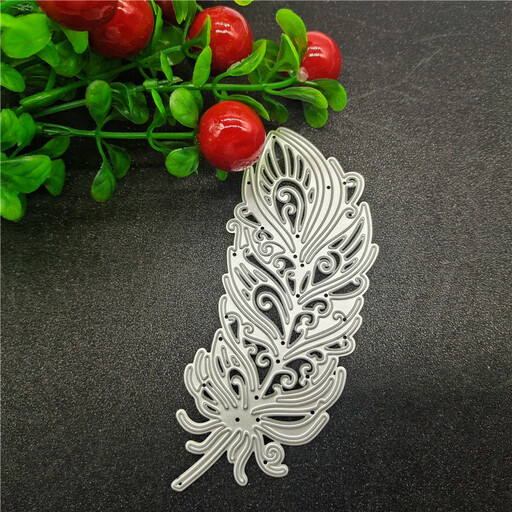
Why this product suits this profile: The leaf design is intended for scrapbooking, albums and paper cards, making it a straightforward introduction to floral decorations.
The clearly identified leaf design reduces the risk of buying an unsuitable universal set containing dies you do not need. However, you should still check the dimensions and machine compatibility.
Metal die with a leaf design; according to the product description, intended for scrapbooking, albums, paper and cards.
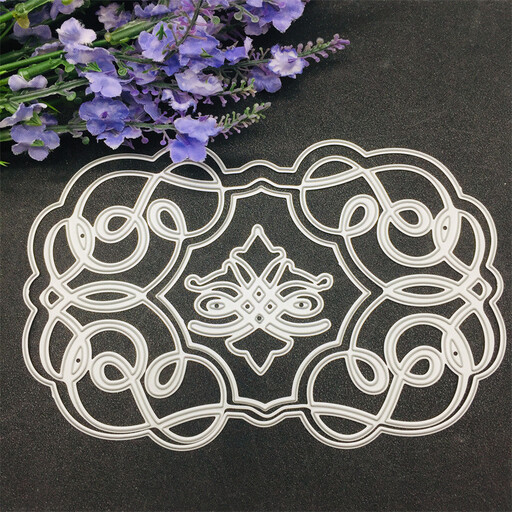
Why this product suits this profile: The product description mentions card borders, DIY scrapbooking, paper crafts and lace embossing. This appeals to users who want to combine different creative techniques.
The stated uses make it easier to choose a die for a specific type of project instead of relying solely on decorative product images.
According to the product description, suitable for card borders, paper crafts, scrapbooking and lace embossing; made from metal.
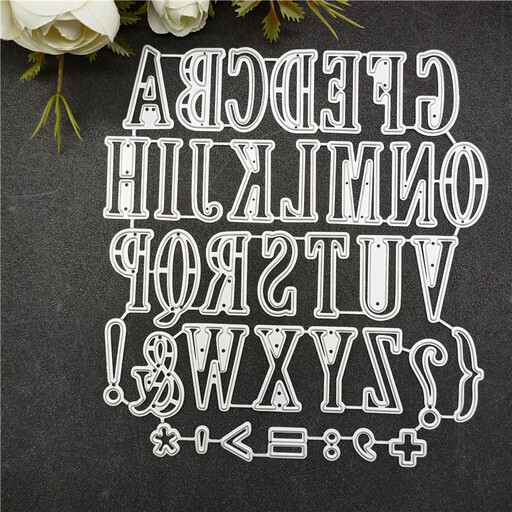
Why this product suits this profile: A set of 26 capital letters supports personalised albums, cards, labels and decorative words for repeated projects.
The number of letters included is clearly stated. This allows you to check before buying whether you need an alphabet set rather than individual letters.
26 capital letters; according to the product description, intended for scrapbooking, cards, paper crafts, albums and decorative words.
We have put together a complete, regularly updated list of products that fully meet these strict selection criteria and the safety regulations applicable in the EU.
Before ordering scrapbooking accessories, check the following:
For specialist projects, you can also filter by themed designs such as flowers, letters, numbers or religious motifs. Borders and repeatable patterns are useful for card series, while letter and number designs are ideal for personalised photo albums.
You need a compatible manual or electric die-cutting and embossing machine. As material thickness and plate configurations can vary, compare the machine manufacturer’s specifications with the information provided for the individual die. A test cut using suitable paper can reveal potential problems before you start your main project.
There is no standard service life. It depends on factors including the material, cutting edge, pressure setting, type of paper and frequency of use. Store your dies in a dry place, remove paper remnants carefully and never use a stronger plate combination than the machine manufacturer recommends.
A cutting die is designed to cut out a defined shape. An embossing stencil, also known as a metal embossing stencil, primarily creates a texture in the paper. Some sets combine both applications, but the specific function should be clearly stated in the product description.