
Lieferung heute & morgen

Qualitätsgarantie

Willkommens-Angebote freischalten: KOSTENLOSE Lieferung | Bis zu 80 % RABATT | Kostenlose 30-Tage-JoyPlus-Testphase
App herunterladen
Metal dies make decorative paper crafts easier when the design, size and compatibility are right for your die-cutting machine. From flowers, leaves and frames to butterflies and wedding motifs, there’s plenty to choose from. However, product images and English descriptions don’t always make it clear what a die is actually suitable for.
To avoid buying the wrong thing, check these three common pitfalls before you buy:
When choosing metal dies for paper, the material is one of the main things to check. For example, the Big Tree Metal Die Cuts product details specify Carbon Steel. This tells you what the die is made from, but doesn’t, by itself, confirm whether it’s compatible with a particular machine.
Also look for:
Thin scrapbooking paper needs to be handled differently from thicker card. For very fine details, it can be worth trying a test cut with a paper offcut first.
Card-making dies should suit the occasion and the size of your card. Flower dies, for example, work well for layered floral designs, while frame dies can create a space for text, a photo or a central motif.
For photo album dies, repeatable designs and mix-and-match elements are useful. Leaves, branches and small decorative shapes can often be arranged in different ways. If you’re making wedding cards, look for designs that can be paired with lettering, frames or simple embellishments.
Check whether you’re buying a single die, a set of designs or a kit. Terms such as ‘kit’, ‘stencils’ and ‘embossing’ can be used differently from one listing to another. Don’t rely on the product image alone: read the description and check:
These checks are especially important for embossing and cutting stencils. A decorative pattern isn’t automatically suitable for every technique.
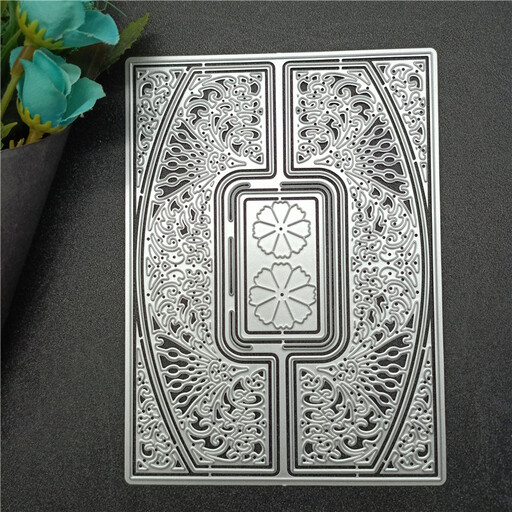
Why it suits this profile: The flower and frame design brings together two popular ways to get started with DIY paper crafts: floral decoration and a structured card layout.
The product name specifically mentions card making, embossing and scrapbook machine stencils. Even so, check your machine’s dimensions before ordering.
The product name lists a flower design, a frame and uses for cards and scrapbooking.
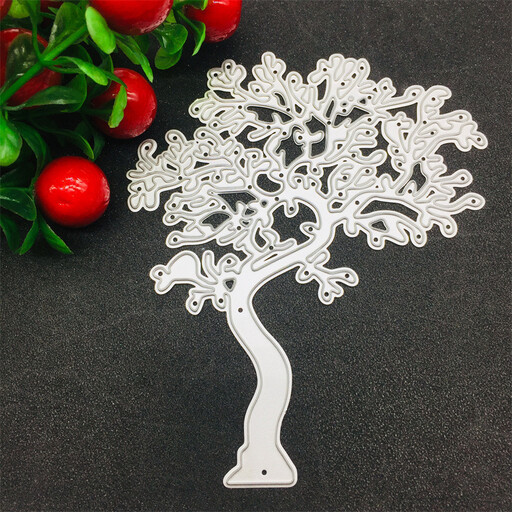
Why it suits this profile: The Carbon Steel specification makes the material clear. The large tree design is intended for projects where a single focal element takes centre stage.
The material specification gives you a clearer idea of the die’s construction. For small cards, check in advance that the tree design will leave enough space.
Carbon steel construction according to the product details, with a clearly defined tree design for albums, cards and decorative paper crafts.
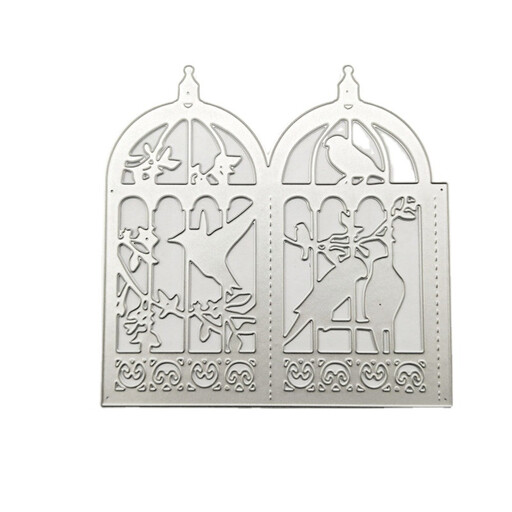
Why it suits this profile: The product name specifically highlights wedding cards, scrapbook albums, paper cards and embossing projects.
The intended occasion is clearly stated. Before ordering, though, check whether the die is designed to cut, emboss or do both.
Designed with weddings in mind, with cards, albums and embossing listed as intended uses.
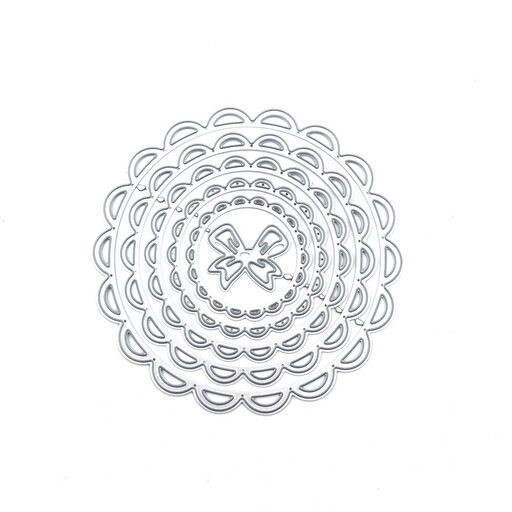
Why it suits this profile: Frame dies are useful for creating repeatable layouts for cards, photo albums and scrapbooking projects.
Its use as a frame is clearly stated. For the right fit, compare your card size with the die’s outer dimensions before buying.
Specifically listed for DIY cards, scrapbooking and embossing, with a frame design for repeatable layouts.
We’ve put together a complete, regularly updated list of products that meet these strict selection criteria and fully comply with the safety regulations in force in the EU.
To keep your die-cutting machine accessories ready to use for as long as possible, remove paper dust and small scraps after each use. Store metal dies in a dry place, lying as flat as possible. With delicate designs, it’s best to line up the paper carefully and avoid using thicker card than your machine and the product description recommend.
For regular projects, a simple routine can help:
No. Compatibility depends on factors including the opening width, plate system, die thickness and material. Check your machine’s manual and the details for the product you’re considering.
Not necessarily. Some metal dies for scrapbooking are also designed for embossing, while others are for cutting only. Look for terms such as ‘embossing’, ‘embossing die’ or ‘embossing stencil’, and check what’s included in the product description.
It depends on the design and your die-cutting machine. Thin scrapbooking paper is easier to work with for many intricate designs. Thicker card is often used for cards, but you should only use it if it’s suitable for both your machine and the die.