
Lieferung heute & morgen

Qualitätsgarantie

Willkommens-Angebote freischalten: KOSTENLOSE Lieferung | Bis zu 80 % RABATT | Kostenlose 30-Tage-JoyPlus-Testphase
App herunterladen
Metal dies for scrapbooking make it easy to create repeatable designs for cards, photo albums and creative paper decorations. But the design isn’t the only thing to consider. Many disappointing purchases happen because product images don’t tell you which die-cutting machine a product works with, how big it actually is or what’s included.
Three things are particularly likely to disappoint when buying scrapbooking dies:
Terms such as ‘embossing’, ‘stencil’ and ‘die cut’ aren’t always used consistently either. A cutting die cuts paper along its outline. An embossing folder, on the other hand, creates a raised or indented texture. For products that combine functions, check the description to confirm exactly what they do.
For reusable scrapbooking dies, metal is the key material to look for. Even if a product, such as the ‘Big Tree Metal Die Cuts’ model, is made from carbon steel, check the manufacturer’s information for details about its edges, thickness and shape retention. Product images can’t replace technical measurements.
Also look for:
The outline is particularly important for delicate flower dies, leaves and floral frames. Very narrow inner sections can be harder to release when using thick or fibrous paper.
The size determines whether a die works as a central design or a small accent. For card-making dies, check the measurements against common card sizes. For photo album dies, make sure the design suits the page size and the photo you have in mind.
Questions to ask before buying:
Frame dies are often a good choice for invitations, album pages and wedding card decorations. Individual flower, leaf and butterfly designs, on the other hand, are easy to combine in different ways.
Metal dies are usually used with a compatible die-cutting machine and the appropriate plate combination. The right settings depend on the machine model, the die and the paper. Too much pressure can strain the plates and die; too little can leave the cut incomplete.
For clean results, we recommend:
This also makes it easier to use embossing folders for paper and combination dies for paper crafts with greater control.
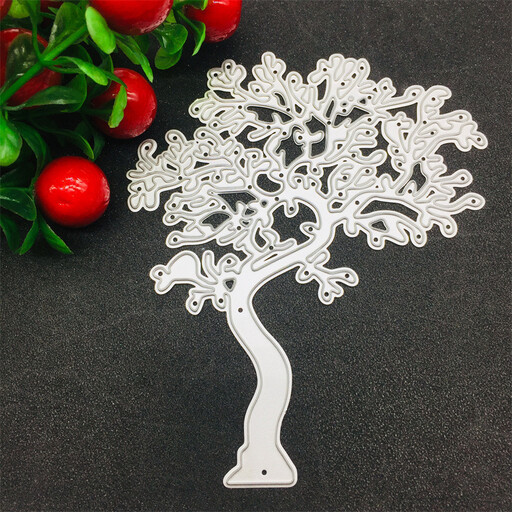
Why it suits this profile: The design is described as a decorative tree shape for first scrapbooking projects, album pages and nature-themed crafts.
The product name explicitly states that it’s made from carbon steel. Check the dimensions and machine compatibility before buying too.
Tree design; described in the product name as suitable for scrapbooking and decorative DIY projects.
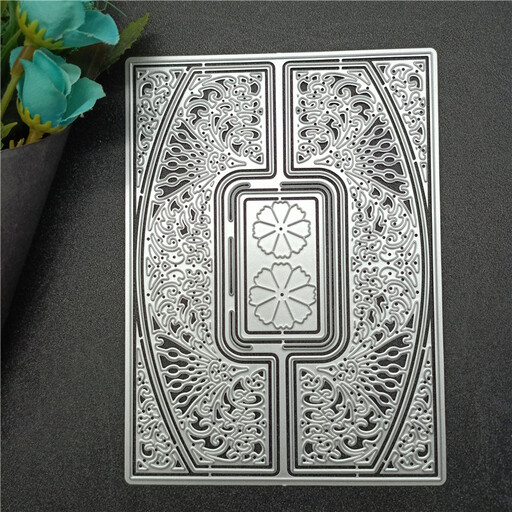
Why it suits this profile: The floral frame design is intended for cards, paper embossing and scrapbooking decorations.
The product name mentions card making, embossing and scrapbooking. Check the frame dimensions and the plate combination you’ll need before use.
Floral frame design; the title describes it as suitable for cards, paper and scrapbooking machines.
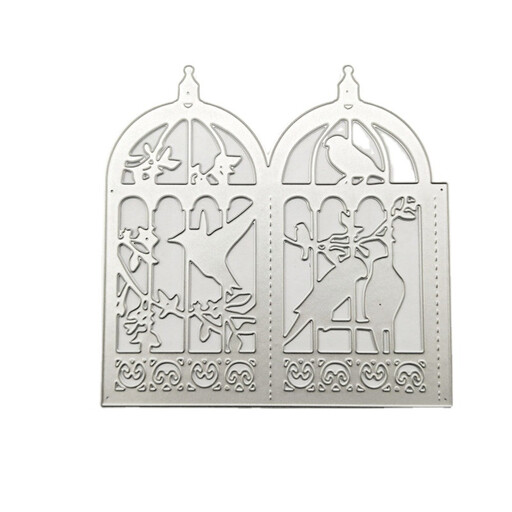
Why it suits this profile: According to the product name, the design is intended for wedding cards, scrapbook albums, paper cards and embossing projects.
The product name spells out what it’s intended for. If you’re making cards in larger batches, check the dimensions, number of pieces and machine compatibility.
Designed with wedding cards in mind; also described as suitable for scrapbooking and embossing.
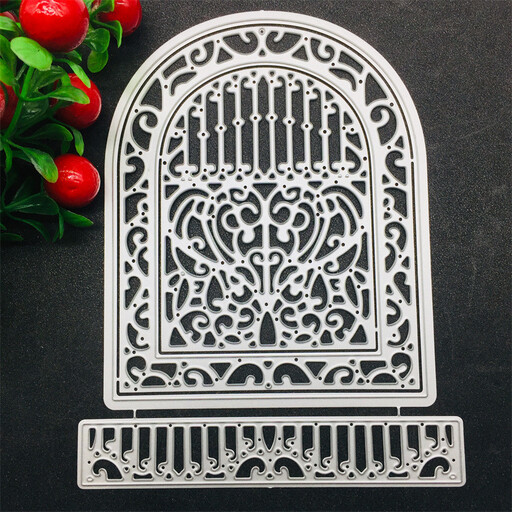
Why it suits this profile: The window and lace frame design can be used on card fronts, invitations, photo albums and decorative paper layers.
The frame design makes the intended use clear. Check your card size and the exact dimensions before ordering.
Frame design with a floral lace detail; the title describes it as suitable for cards, scrapbooking and photo album decorations.
We’ve put together a complete, regularly updated list of products that meet these strict selection criteria and fully comply with the safety regulations in force in the EU.
Choose a machine that’s specifically designed for metal dies. Check the machine manufacturer’s guidance on plates, sandwich arrangements and the permitted material thickness. If you’re unsure, start with a test cut using plain paper.
Their lifespan depends on the material, how intricate the design is, the type of paper, the pressure setting and how well they’re cared for. Storing dies in a clean, dry place and using the right plate combination can help prevent unnecessary wear. Rust, bent outlines or damaged cutting edges are signs that you should stop using the die.
This depends on the die and the machine. Thin craft paper is usually easier to cut than very thick card. For cards, photo albums and wedding card decorations, check the manufacturer’s guidance on paper thickness and make a test cut.