
Lieferung heute & morgen

Qualitätsgarantie

Willkommens-Angebote freischalten: KOSTENLOSE Lieferung | Bis zu 80 % RABATT | Kostenlose 30-Tage-JoyPlus-Testphase
App herunterladen
Metal dies for scrapbooking are ideal for making personalised greetings cards, decorating photo albums, creating invitations and making other decorative paper crafts. Choosing one may seem straightforward at first: pick a design, place your order and use it in your die-cutting machine. In practice, unclear dimensions, missing compatibility information or confusing cutting dies with embossing stencils can quickly lead to the wrong purchase.
This buying guide explains what to look for before buying scrapbooking dies, card-making dies and metal dies.
Not every metal die is compatible with every manual or electric die-cutting machine. Important factors include:
Without this information, it can be difficult to tell before you buy whether a die will work with your machine. This is particularly important for larger frames and solid designs.
A cutting die cuts paper along a particular outline. An embossing stencil, on the other hand, creates a raised design or pattern without necessarily cutting all the way through the paper. Some products combine both functions, while others are designed for just one.
Check that the product description clearly specifies terms such as ‘cutting die’, ‘die cut’ or ‘embossing stencil’. If you mainly want to cut out paper shapes, you need a cutting die. For textured backgrounds or embossed details, an embossing stencil is a better choice.
Delicate flower, butterfly or lace designs can look different on thin paper than they do on heavier card. Very small inner sections can also be tricky to release and clear of paper scraps. Before buying, check the design’s dimensions and lines, as well as the thickness of the paper you plan to use.
A single intricate die isn’t automatically more versatile than a well-coordinated set. For regular projects, frame dies, flower designs and matching label dies may be more practical than a standalone design with no coordinating pieces.
The material is an important detail to check when choosing metal dies. Some products in the range are described as being made from carbon steel. For others, the available product information simply says ‘metal’. Don’t assume a particular alloy or material thickness unless it’s specified.
Look for:
After use, store the die somewhere dry and protected. Depending on the design, you can remove paper scraps with a soft brush or a suitable tool. Don’t clean sharp edges with your fingers.
Check that the design’s dimensions are right for your project. Small to medium designs are often easier to position on a standard card. Large frames may suit album pages, covers or decorative backgrounds.
You should also consider the maximum paper thickness. Thin craft paper, patterned paper and card may not all need the same machine settings. If the manufacturer doesn’t specify a suitable material thickness, try a test cut with a scrap piece first.
If you regularly make DIY cards, coordinating dies can be especially useful. Frames, flowers, leaves, butterflies and lettering can all be used in different colour combinations. For photo album decoration, labels, corners and larger background designs may be more useful.
Before you buy, check:
The products below are suited to different uses. The descriptions are based on the product names and the information available for each item.
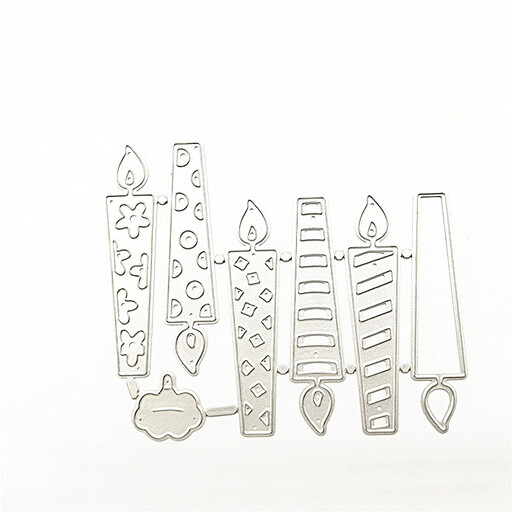
Why it suits this profile: The design is made for occasions such as birthdays, congratulations and weddings, making it a handy choice for creating cards for special events.
The product name makes its intended use clear. You’ll still need to check machine compatibility and dimensions before buying.
A candle and lettering design for special occasions; intended for card-making and scrapbooking.
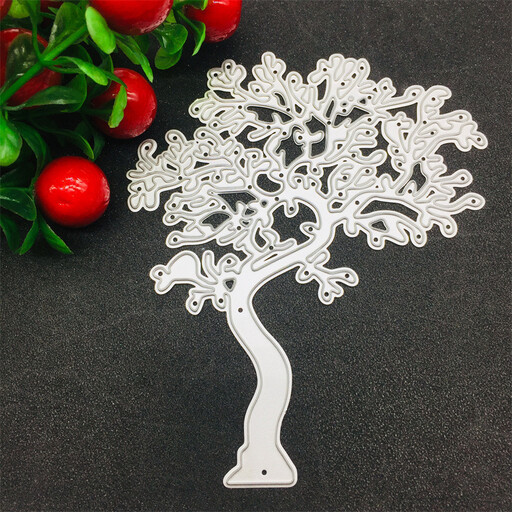
Why it suits this profile: The product specifically states that it’s made from carbon steel, making it a good option for anyone who values clear information about materials.
The material is specified more clearly than with a general description such as ‘metal’. You should still check the dimensions and machine compatibility before buying.
Carbon steel, according to the product name; a large tree design for decorative paper projects.
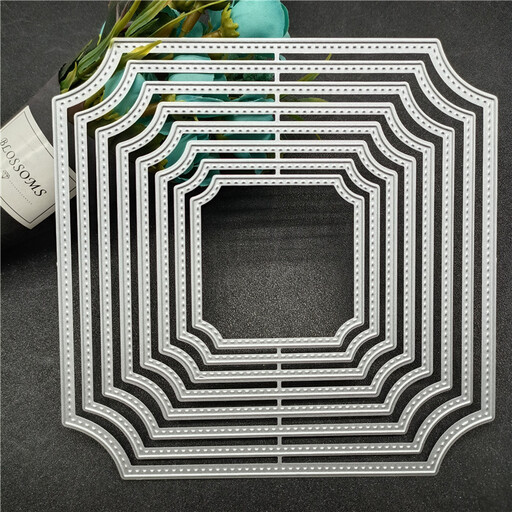
Why it suits this profile: The product name states that the set includes eight frame designs, making it a good fit for regular card and album projects with varied layouts.
The set contents are clearly stated. Before using the dies, check the dimensions of each frame and whether they’re designed for cutting or embossing.
Eight frame designs according to the product name; flower and square frames for cards, albums and paper decorations.
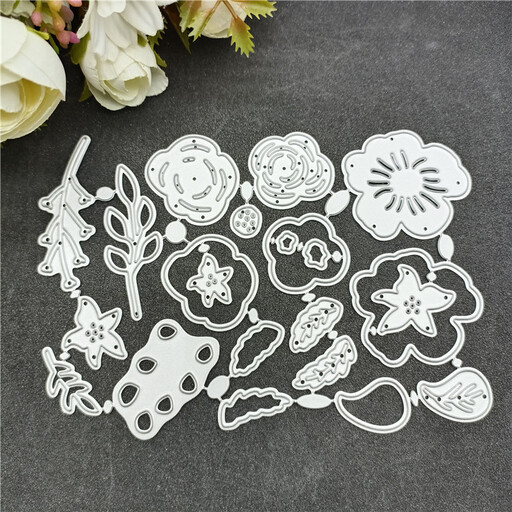
Why it suits this profile: Flower and leaf designs can be used for seasonal cards, photo album decorations and floral paper arrangements.
The product name mentions both cutting dies and an embossing stencil. Before buying, check which function you actually need.
Flower and leaf designs; according to the product name, intended for card-making, scrapbooking and paper crafts.
Place the paper straight between the plates specified in your machine’s instructions. For intricate designs, wax paper or specialist release paper may make it easier to remove the die-cut, as long as it’s suitable for your machine and materials.
For consistent results, we recommend:
How long a die lasts depends on factors including its material, paper thickness, pressure settings and care. Without specific information from the manufacturer, it isn’t possible to give a reliable general estimate of its lifespan.
We’ve put together a complete, regularly updated list of products that meet these strict selection criteria and fully comply with the safety regulations in force in the EU.
Craft paper, patterned paper and card may all be suitable. However, the maximum paper thickness depends on the die and the machine you’re using. Check the manufacturer’s guidance or try a test cut to help you decide.
Not necessarily. Many manual die-cutting machines can both cut and emboss, but they require different plate combinations for each. Always follow your machine’s instructions and check the specifications for the embossing stencil.
Clean the dies carefully, avoid materials that are unsuitable or too thick, and store them somewhere dry. If the cutting performance starts to drop, first check the paper thickness, the condition of the plates and the sandwich arrangement.