
Lieferung heute & morgen

Qualitätsgarantie

Willkommens-Angebote freischalten: KOSTENLOSE Lieferung | Bis zu 80 % RABATT | Kostenlose 30-Tage-JoyPlus-Testphase
App herunterladen
Metal dies for scrapbooking and card making let you create decorative cut-outs, borders and embossed designs with a suitable die-cutting machine. But if you enjoy crafting, making cards or designing photo albums, choosing the right dies involves more than picking a design. Compatibility, material details and how you plan to use them all matter.
A delicate flower die might look just right on a greetings card, but be too small for a large scrapbook layout. Conversely, wide frame dies may not fit every card front. Before you buy, check:
Product titles don’t always include the dimensions. If they’re not listed, check the product details or images carefully before buying.
Many listings mention cutting and embossing together. That doesn’t necessarily mean every machine can do both with the same accessories. Depending on your machine, you may need extra cutting plates, an embossing mat or a specific combination of plates.
The term embossing templates doesn’t always mean a traditional stencil, either. With metal dies, pressure applied using the right machine set-up can create an embossed pattern. So it’s important to check the machine manufacturer’s guidance, the material thickness and the shape of the die.
Very fine paper can tear or become misshapen when you cut it. With intricate designs, small scraps of paper can also get stuck in the cut-outs. It’s worth doing a test cut with a scrap piece, especially when using metal dies with lots of delicate lines for card making.
For a smoother crafting session:
With die-cutting templates, the cutting edges should be finished evenly. Visible burrs, bent areas or unclear material details can make them harder to use. “Metal” in the product title gives you an idea of how the die is made, but you should still check the full product description.
Flat dies are practical for regular crafting, as they’re easy to store neatly. For small individual designs, storage pockets or labelled magnetic sheets can help keep them from getting lost.
Not every die is suitable for every die-cutting and embossing machine. Before you buy, check the following:
In shops, the terms scrapbooking dies, paper dies and metal dies for card making are sometimes used interchangeably. So when choosing, focus on the specific design, dimensions and how it works—not just the search term.
Paper can make a big difference to the finished result. Sturdier paper is usually a good choice for cards and photo albums, while very thin sheets are better suited to lightweight decorations. Colours can also look different on glossy paper compared with matt craft paper.
According to the product details provided, Pelikan Glanzpapier includes ten gummed sheets in assorted colours, measuring 29,7 × 18,5 cm. The adhesive on the reverse is activated with moisture. Use only a little water, as too much can make the paper ripple or transfer colour onto your hands. Store it in a dry place. According to the information available, this product is not suitable for children under three, as small paper pieces could be swallowed.
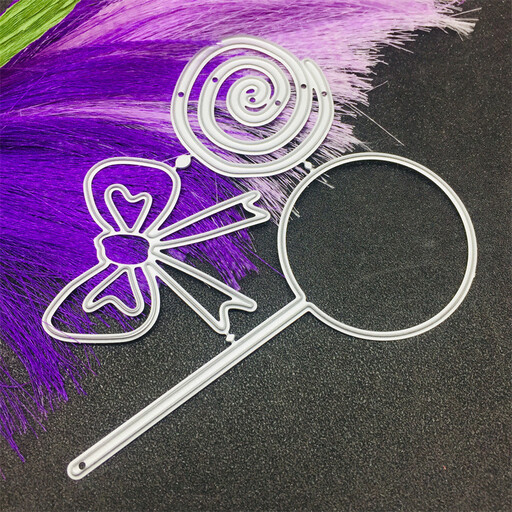
Why this product suits this crafting style: This combination set is aimed at anyone who wants to try a range of paper projects rather than choosing just one design.
A set with several designs can save you from buying individual dies. Even so, check the machine compatibility and dimensions before you buy.
Combines cutting dies with an embossing function mentioned in the product title; designed for card making and scrapbooking.
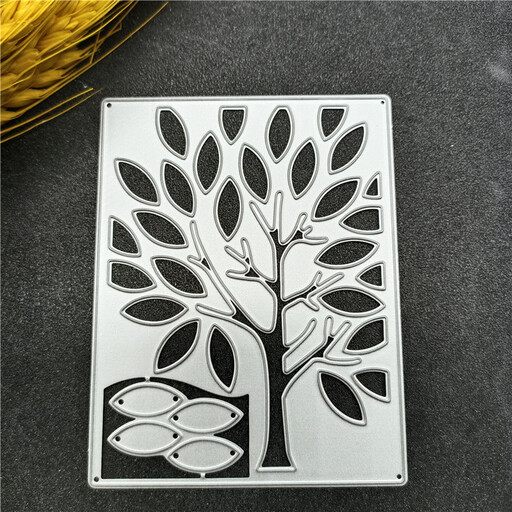
Why this product suits this crafting style: The branch and leaf design is a good choice for carefully planned nature-themed projects that call for repeated design elements.
The clearly named design makes it easier to decide whether it suits your style, rather than buying an unspecified mixed set.
A design featuring branches and leaves; according to the product title, it’s intended for card making, embossing and scrapbooking.
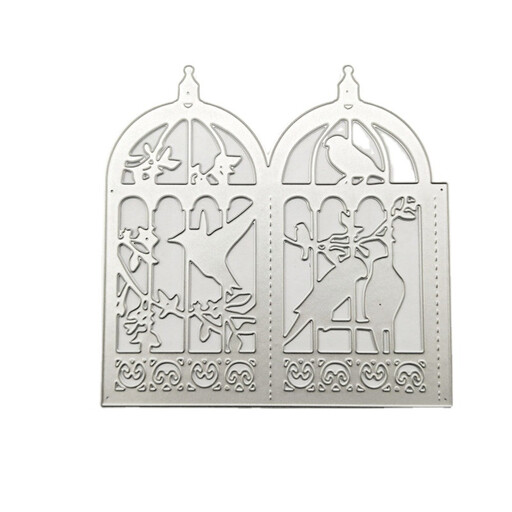
Why this product suits this crafting style: This wedding-themed die is designed for invitations, photo albums and celebratory paper decorations.
The specific occasion named in the product title makes it easier to check that the design suits your project. If you’re making items in batches, do a test cut first.
Listed for wedding designs, scrapbook albums, paper cards and the embossing applications mentioned in the product title.
We’ve put together a complete, regularly updated list of products that meet these strict selection criteria and fully comply with the safety regulations in force in the EU.
Store metal dies flat in a dry place. Paper fibres can collect in intricate cut-outs and get in the way next time you use them. Carefully remove any scraps without damaging the cutting edge with hard objects.
Also bear the following in mind:
It depends on the die and the machine. Thin paper is often easy to cut, but can tear when used with intricate designs. Sturdier card offers more stability, but may need greater pressure. Always follow the machine manufacturer’s guidance and do a test cut.
Many product descriptions mention cutting and embossing together. However, you may need an embossing mat or a specific combination of plates. Before you start, check that your machine and accessories are suitable for the job.
There’s no set lifespan. It depends on the material, paper, pressure, cleaning and storage. Keeping dies dry, using suitable materials and applying even pressure in the machine can help protect the shape and cutting edges.