
Lieferung heute & morgen

Qualitätsgarantie

Willkommens-Angebote freischalten: KOSTENLOSE Lieferung | Bis zu 80 % RABATT | Kostenlose 30-Tage-JoyPlus-Testphase
App herunterladen
Metal dies for scrapbooking let you create repeatable designs from paper, card and other thin craft materials. They’re used with a compatible die-cutting machine and are ideal for cards, photo albums, gift packaging and seasonal decorations. But the design isn’t the only thing that matters: many disappointing purchases come down to unclear dimensions, missing information about machine compatibility or a design that’s too intricate.
Product images often show several layers of paper, different colours or decorated cards. This doesn’t necessarily mean that every item shown is included. Before you buy, check:
The contents are particularly important when choosing card-making dies and sets for photo albums. A single frame design may be enough for a card, while a larger scrapbook project may call for several sizes or complementary designs.
Not every die works with every die-cutting machine. The size of the die, the thickness of the material and the plates or sandwich combinations recommended by the machine manufacturer all matter. Check your machine’s specifications before buying, and only use the plates recommended for it.
It’s also worth distinguishing between metal cutting dies and embossing dies for paper. A cutting die cuts the paper along a particular outline, while an embossing die mainly changes its surface. Some products can do both, provided their design and the machine accessories are suitable. Without specific information from the manufacturer, it’s best not to assume that a product has both functions.
Very fine designs can look different on thin paper and heavyweight card. Thick card may put more strain on the machine or die, while thin paper can tear when you remove it from the die. For clean results, it’s important to use the right material thickness and paper quality, and to choose the correct pressure setting.
For flower, frame or butterfly dies, look out for narrow connecting sections and small inner shapes. The more intricate the design, the more carefully you’ll need to remove the cut piece from the die. A precision tool or wax paper may help, depending on the material, but isn’t necessarily included.
A material description such as carbon steel tells you what the die is made from, but doesn’t on its own tell you how long it will last or whether it’s compatible with your machine. You should also check for:
For example, the product “Big Tree Metal Die Cuts” is described as being made from carbon steel. This is a clear indication of the material, but you’ll still need to check the size, what’s included and your machine’s requirements.
Smaller frames, flowers, stars and lettering designs work well on standard greeting cards. Larger background shapes, labels and frames are often more practical for photo albums. If you’re making wedding cards, try floral frames and decorative corner details. For seasonal projects, consider spring designs, snowflakes or festive lettering.
If you want to combine paper crafts and card making, check whether the product is described as a cutting die, an embossing die or both. The materials it can be used with should also be clearly stated. Paper and thin card are common choices; for foil, felt or other materials, you’ll need confirmation that the product is suitable.
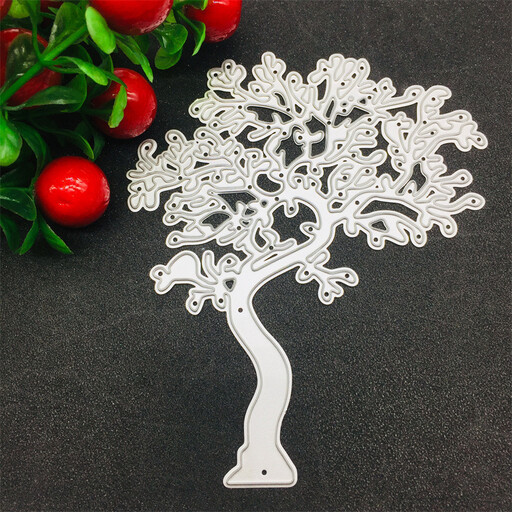
Why it suits this profile: The product specifies carbon steel, and its decorative tree design makes it a straightforward introduction to scrapbooking dies for cards and album pages.
The description clearly states the material. Be sure to check the dimensions, what’s included and machine compatibility before buying.
Made from carbon steel according to the product description; tree design for nature, family and memory-keeping pages.
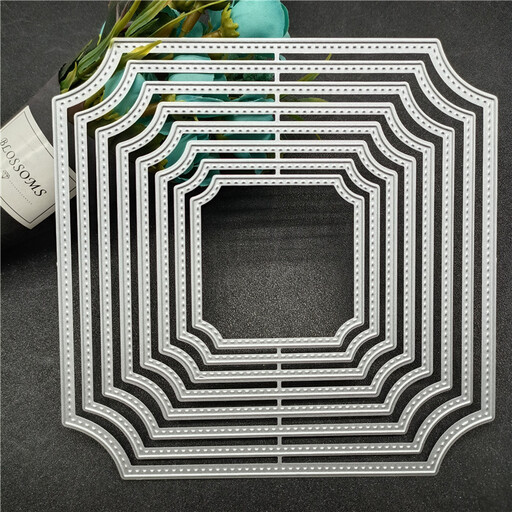
Why it suits this profile: A set of eight irregular frames offers a range of outlines for wedding cards, album pages and decorative paper projects.
The product name tells you how many dies are in the set. You’ll still need to check the dimensions and suitable paper thickness before use.
Eight frame designs according to the product name; ideal for versatile framing and layered designs.
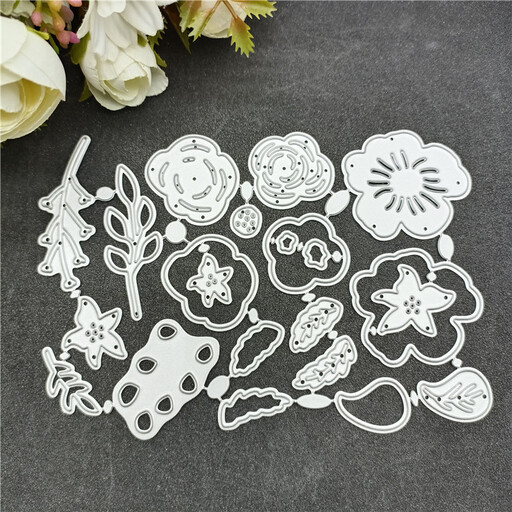
Why it suits this profile: Flower and leaf designs can be used throughout cards, photo albums and coordinated paper decorations.
The design is clearly named, making it easier to match to a particular craft project. Check the dimensions and whether it can emboss before buying.
Flower and leaf designs according to the product name; ideal for floral decorations and album pages.
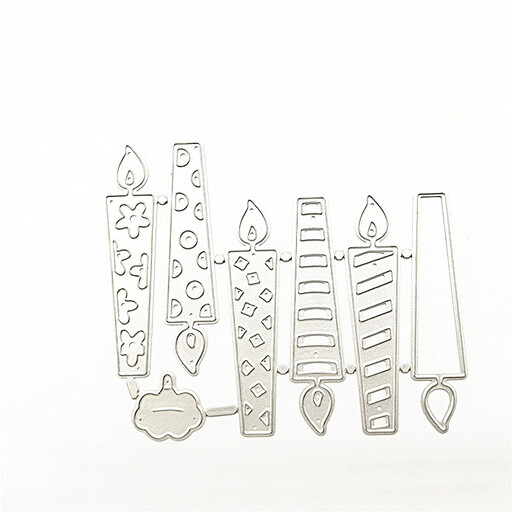
Why it suits this profile: The candle design is ideal for greetings cards, birthday cards and festive decorations.
A clearly defined design helps you avoid buying a motif that doesn’t suit your project. However, the product name doesn’t replace checking what’s actually included and the dimensions.
Candle design, with greetings and birthday cards mentioned in the product name.
We’ve put together a complete, regularly updated list of products that meet these strict selection criteria and fully comply with the safety regulations in force in the EU.
It depends on the die-cutting machine and the die. Thin craft paper is usually easier to work with, while card provides a sturdier decoration. Follow the guidance from the machine and die manufacturers, and test a scrap piece first.
There’s no set lifespan. It depends on the material, cutting edges, paper thickness, pressure setting and storage. Excessive pressure, unsuitable materials and moisture can put extra strain on a die.
You’ll generally need a manual die-cutting and embossing machine with plates and a pressure system that suit the die. Before buying, check compatibility against your machine’s technical specifications.