
Lieferung heute & morgen

Qualitätsgarantie

Willkommens-Angebote freischalten: KOSTENLOSE Lieferung | Bis zu 80 % RABATT | Kostenlose 30-Tage-JoyPlus-Testphase
App herunterladen
Metal dies for scrapbooking make it possible to create repeatable designs from paper, card and, in some cases, other craft materials. They are suitable for cards, photo albums, gift packaging and paper decorations. The choice may seem straightforward at first, but product images and general terms such as “Embossing Tool” or “Craft Die” do not always reveal enough about practical use.
Before buying, crafters should therefore consider three common pitfalls:
Carbon steel dies are commonly used for paper craft projects. The term describes the material, but it does not replace checking the cut design, thickness and finish. For a design intended for card making, the cutting edge should be clearly defined and clean. With very small details, additional aids such as wax paper, an embossing mat or a removal tool may be useful.
A metal die can cut, emboss or do both. Metal embossing templates create a raised or recessed texture, while a dedicated cutting die separates the paper along an outline. If you are planning to emboss paper, check carefully that the product is designed for this stage of the process.
The size determines whether a shape will fit on a standard card, an album page or gift packaging. Before buying, compare the stated dimensions with your own project:
If no dimensions are provided, the product page should be checked carefully before buying. A beautiful design can be impractical if it is too large for your die-cutting machine or too small for the intended crafting area.
Dies for DIY projects should suit the occasion and the card-making supplies you already have. Flowers, leaves and butterflies can be combined in many ways. Numbers, candles and wedding designs, on the other hand, are more closely associated with specific occasions.
Paper weight also makes a difference. Thin scrapbooking paper is processed differently from sturdy card. For clean results, it is advisable to make a test cut using a scrap piece. This will show whether the die cuts fully through the material and whether small internal areas can be removed easily.
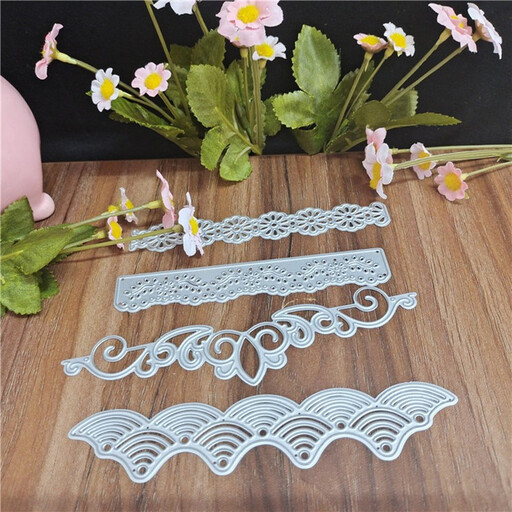
Why this product suits the profile: The set includes four shapes and combines cutting with the embossing function mentioned in the product name. This allows beginners to try different paper card-making techniques without having to commit to just one design straight away.
The carbon steel specification is more precise than simply describing the product as “metal”. You should still check compatibility with your own machine before use.
Four shapes; carbon steel according to the product description; designed for DIY crafts and paper cards.
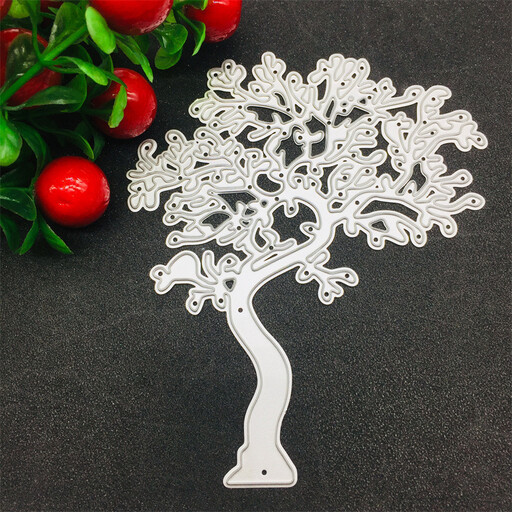
Why this product suits the profile: The tree design works as a cohesive decorative theme for album pages, cards and seasonal paper projects. The product description specifies carbon steel as the material.
The clearly defined design makes planning easier. However, check the dimensions to ensure the tree does not extend beyond the card edge or look too small on an album page.
Tree design; carbon steel according to the product name; designed for scrapbooking and decorative DIY templates.
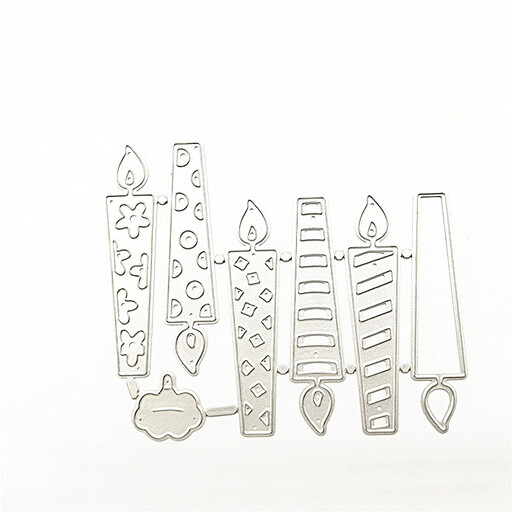
Why this product suits the profile: The candle design is intended for congratulations, birthday, wedding and blessing cards. It is a good fit for crafters who regularly create occasion-specific decorations for greeting cards.
Its clear connection to particular occasions helps prevent buying an unsuitable generic design. For frequent use, compare the cutting size with your machine’s compatibility in advance.
Candle design; intended for card making, scrapbooking and occasion decorations according to the product name.
We have put together a complete, regularly updated list of products that fully meet these strict selection criteria and the safety regulations applicable in the EU.
For clean results, place the paper, die and plates directly on top of one another. The exact order depends on the machine you are using. Excessive pressure can put strain on the material and machine, while insufficient pressure may result in incomplete cuts. Start by using a scrap piece of the paper intended for your project.
After die-cutting, remove small paper scraps carefully. A special brush can be helpful with intricate scrapbooking dies. Store the dies in a dry, protected place to prevent residue or moisture from collecting around the cutting edges. It is not possible to give a reliable general lifespan, as this depends on the material, paper thickness, pressure, frequency of use and storage conditions.
This depends on the die and the machine being used. Thin craft paper is usually easier to cut, while sturdy card may require more pressure. Follow the manufacturer’s instructions and begin with a test cut before working on your actual card project.
Not every cutting die is automatically an embossing template. Products explicitly described as “Embossing” or an embossing template may be designed for paper embossing. Whether an additional embossing mat or a specific plate combination is required depends on the machine system.
Use suitable paper, clean the die after cutting and carefully remove small pieces with an appropriate tool. With complex designs, a thin separating layer, such as wax paper, can make removal easier. Always test a single cut before starting a batch production run.