
Lieferung heute & morgen

Qualitätsgarantie

Willkommens-Angebote freischalten: KOSTENLOSE Lieferung | Bis zu 80 % RABATT | Kostenlose 30-Tage-JoyPlus-Testphase
App herunterladen
Metal model cars combine a realistic appearance with a compact size. For parents and grandparents, the priority is usually a robust vehicle that is ready to play with straight away. Adult collectors, on the other hand, pay attention to scale, paintwork, moving parts and suitable presentation.
However, there are clear differences between these uses. A model that is suitable for role play on the carpet is not automatically intended as a delicate display piece. The following criteria will help you assess marketing claims and avoid disappointing purchases.
With diecast model cars, the body is often made of metal, while the interior, wheels, windows, underbody and tow hitch are made of plastic. This combination of materials is common and can provide a sensible balance of weight, functionality and cost.
The specific material description is therefore crucial. Anyone expecting a vehicle made entirely from metal may be disappointed by a model with plastic parts. For children's toy cars, rounded edges, sturdy wheels and an age-appropriate design are also more important than highly intricate decoration.
Opening doors, bonnets or tailgates can look attractive, but they also introduce additional moving small parts. On a collector's vehicle, these can enhance its display value. In a child's bedroom, however, they should be suitable for the stated age group and intended use.
Pay attention to the age rating and warnings such as ‘Not suitable for children under 3 years’. Small parts may present a choking hazard. For children under five, direct supervision is advisable with relevant models.
A model car in 1:43 scale is not automatically the same size as another vehicle in the same scale, because the full-size vehicles themselves vary in size. A 1:55-scale model is typically more compact. The scale indicates the ratio to the original vehicle, not the exact length of every model car.
You should therefore also check the product dimensions in centimetres. This prevents a miniature car from being too small for your display cabinet or a toy car from being too large to take with you.
Look for a clear description such as metal with plastic parts, diecast alloy or a comparable material specification. For regular play, rolling wheels, a sturdy body and secure connections between the components are important. For collector cars, even paintwork, cleanly printed designs and a secure way to display the model are more relevant.
Consider which features will actually be used:
For children aged three and over, the relevant manufacturer's information is decisive. Check the packaging for warnings, manufacturer details and, where applicable, the CE marking. A model intended for adults aged 14 and over should not be passed on as a children's toy if it has delicate parts or small detachable components.
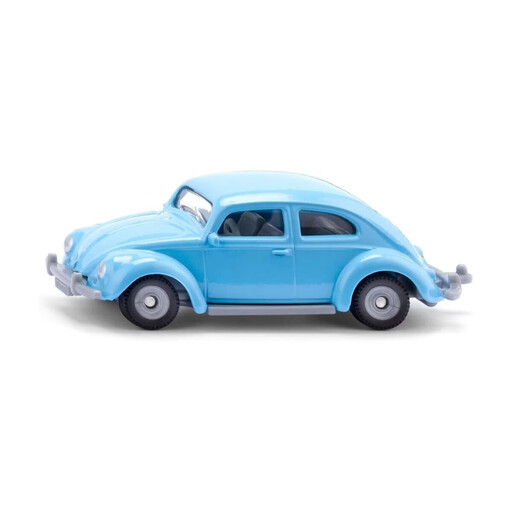
Why this product suits the profile: This compact VW model car is specified for children aged three and over and does not require batteries. It is an easy introduction to the world of SIKU model cars and makes a small gift for car fans.
The product description specifies metal with plastic parts, rubber tyres and precise dimensions. This makes it easier to check your expectations regarding materials and size before buying.
Metal body, rubber tyres, battery-free operation and compact dimensions of approximately 7.8 cm in length.
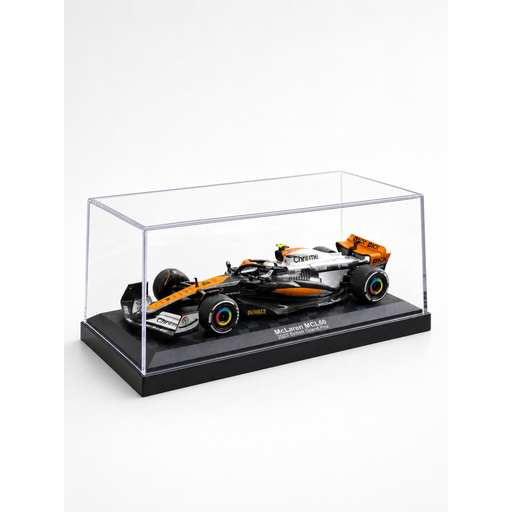
Why this product suits the profile: According to the product information, this racing car model is aimed at teenagers aged 14 and over and adult collectors. The base and acrylic cover help present it on a shelf or desk.
The scale, materials and included accessories are described clearly. The age recommendation clearly distinguishes this display model from toy cars for younger children.
Diecast body, 1:43 scale, printed McLaren racing livery, display base and transparent acrylic cover.
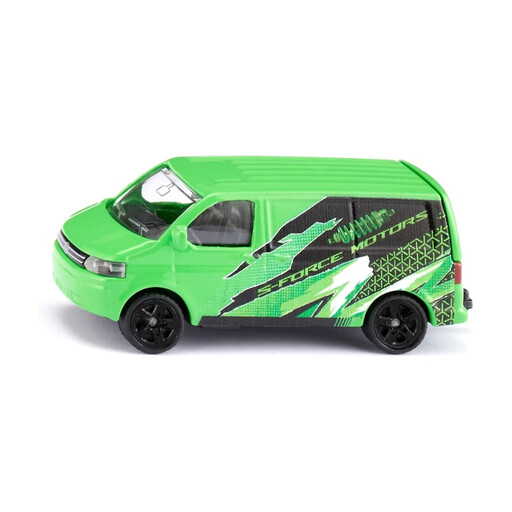
Why this product suits the profile: The VW T5 is suitable for transport and everyday play scenarios. An opening tailgate and tow hitch expand the play possibilities with compatible SIKU trailers.
The features are not merely mentioned as marketing claims; the opening tailgate, tow hitch and rubber tyres are specified clearly. Accessories should be checked separately for compatibility.
Metal body, rolling rubber tyres, opening tailgate, tow hitch and suitability from the age of three according to the product information.
We have put together a complete, regularly updated list of products that fully meet these strict selection criteria and the safety regulations applicable in the EU.
Service life depends more on how a model is used than solely on its metal content. For play models, a dry, level playing surface is recommended. Sand, moisture and rough impacts can affect the paintwork, axles or moving parts. A slightly damp cloth is usually sufficient for cleaning; the model should then be allowed to dry completely.
Collector cars are best kept in a low-dust display cabinet or under a suitable cover. For models with a base, check before buying that the display surface has enough room. Direct sunlight can alter the appearance of the paint and printed designs over time, depending on the finish.
That depends on the individual product. Some SIKU models are intended for children aged three and over according to the product information, but still warn about small parts and the need for supervision. Collector models with delicate parts may instead be recommended only for ages 14 and over. The packaging, age rating and safety information for the specific product are always decisive.
The scale should suit your existing collection and the available display space. 1:43 is common for collector cars and often offers a good balance between level of detail and space required. A 1:55-scale model is more compact. The exact external dimensions and the size of the base are also important.
Many classic miniature cars, including numerous SIKU model cars, work without batteries and are moved by hand. Pull-back models have a mechanical drive. Remote-controlled vehicles, on the other hand, require a rechargeable battery and, with some remote controls, additional batteries. Check the contents and charging requirements before buying.