
Lieferung heute & morgen

Qualitätsgarantie

Willkommens-Angebote freischalten: KOSTENLOSE Lieferung | Bis zu 80 % RABATT | Kostenlose 30-Tage-JoyPlus-Testphase
App herunterladen
The right storage shelf can transform a space and establish a sense of order. However, the selection is vast, and not every model delivers on its promise. Unstable construction, unsuitable materials, or misleading dimensions often lead to frustration and buyer's remorse. This guide will help you identify the crucial features and find a shelf that truly meets your needs.
Before you decide on a model, you should be aware of the typical problems that often only become apparent after the purchase.
To avoid the problems mentioned above, focus on three objective criteria. These will help you separate the wheat from the chaff.
The material determines the shelf's durability, load capacity, and area of application.
The type of shelf determines its flexibility and use of space.
Consider what exactly you want to store. Open compartments are ideal for books and decorative items. For small parts, documents, or unsightly objects, closed systems are better.
Here are some recommendations tailored to specific use cases that take the aforementioned criteria into account.
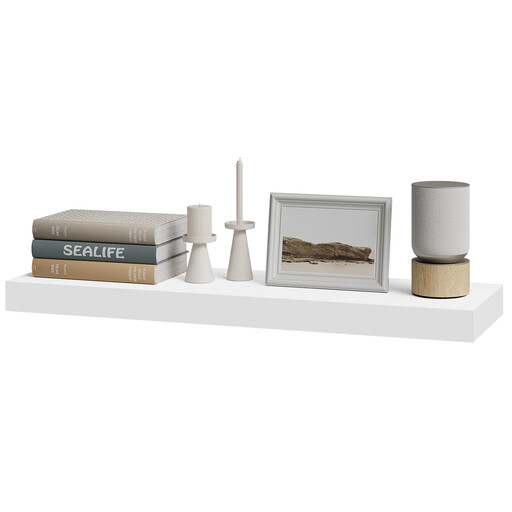
Why This Fits Their Persona: Ideal for hallways, small apartments, or bathrooms where every square inch of floor space counts. It utilises wall space for storage without cluttering the room.
The PVC veneer surface of the MDF material is moisture-resistant, making it more durable than untreated particleboard. The concealed wall mounting forces a conscious consideration of the wall's condition.
Combines an open shelf with an integrated drawer for small items like keys or wallets. The maximum load capacity is clearly specified at 10 kg.
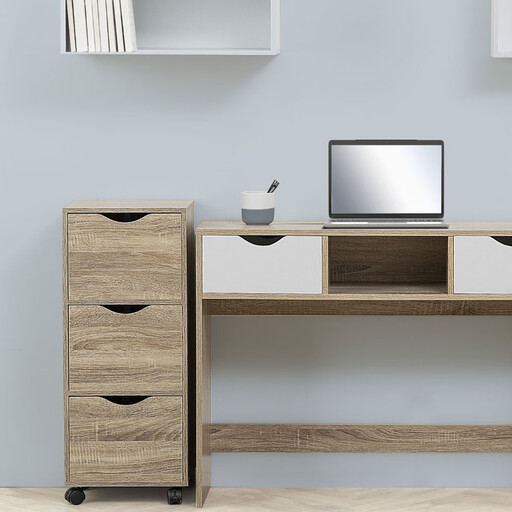
Why This Fits Their Persona: Perfect for the home office, craft room, or as a mobile storage unit next to a desk. The castors allow you to move the storage to wherever it's needed.
As a mobile rolling cart, it bypasses the problem of a fixed, ill-fitting placement. The maximum load capacity of 45 kg is clearly defined, providing solid stability for its intended purpose.
Features four castors, two of which are lockable, to ensure both mobility and a secure stance. The three drawers provide enclosed storage space.
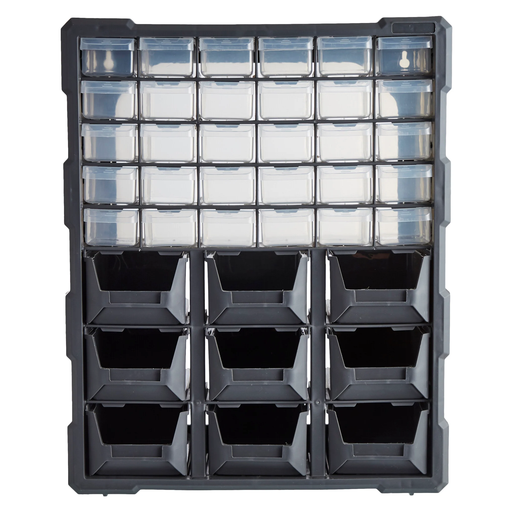
Why This Fits Their Persona: Designed for DIY enthusiasts and crafters who need a systematic solution for screws, nails, dowels, and other small parts in the workshop, garage, or hobby room.
The robust PP plastic material is impervious to the typical moisture found in cellars or garages, thus avoiding the swelling common with engineered wood. The design is explicitly intended for small parts.
Offers an extremely high density of sorting compartments with 39 drawers. The transparent drawers provide a quick overview of the contents. Can be freestanding or wall-mounted.
We have compiled a complete, real-time list of products that fully satisfy these strict selection criteria and UK safety regulations.
1. What material is suitable for a storage shelf in the bathroom? For use in the bathroom, materials that are resistant to high humidity are crucial. These include plastic (like polypropylene), powder-coated metal, and stainless steel. Engineered woods like MDF or particleboard are only suitable if they have a high-quality, seamless seal (e.g., from lacquer or foil wrapping) that prevents moisture from penetrating.
2. What is the typical load capacity of a wall-mounted shelf? The load capacity varies greatly and depends on three factors: the construction of the shelf itself, the condition of the wall, and the quality of the mounting hardware used. Lightweight floating shelves often only support 5-10 kg, while robust systems with brackets can hold 25 kg or more. Always check the manufacturer's specification for the maximum load capacity and ensure that your wall and wall plugs are rated for that weight.
3. What is the difference between particleboard and MDF? Both are engineered woods, but they differ in their density and structure. Particleboard consists of coarsely glued wood chips and is lighter and less expensive. MDF (Medium-Density Fibreboard) is pressed from the finest wood fibres, making it significantly denser, heavier, and more stable. MDF has a smoother surface that is better for painting, and its edges are less prone to fraying.