
Lieferung heute & morgen

Qualitätsgarantie

Willkommens-Angebote freischalten: KOSTENLOSE Lieferung | Bis zu 80 % RABATT | Kostenlose 30-Tage-JoyPlus-Testphase
App herunterladen
Metal cutting dies for card making are suitable for a wide range of paper projects, including greeting cards, scrapbook pages, photo albums and decorative DIY crafts. Choosing the right one may seem straightforward at first, but product images and lengthy descriptions often leave important details unclear. If you buy based solely on the design, you may end up with a die that is incompatible with your existing die-cutting machine or unsuitable for the paper size you have in mind.
Not every metal die is purely a cutting template. Some products are described as cutting dies, embossing stencils or combinations of stamps and dies. For card making, it is therefore important to establish whether the set creates a complete cut-out, leaves an embossed impression only, or also includes clear stamps.
Terms such as “Embossing Tool”, “Stencil” or “Die Cut” may be used differently depending on the product. So check the following:
A delicate floral design may look just right on a small greeting card, but be too small for a large scrapbook page. Conversely, a large design may cover important areas reserved for text on a card. If no measurements are provided, it is difficult to assess how suitable the die will be for your planned project.
Compare the product dimensions with:
A single design may be ideal for a particular card, but can quickly become repetitive when used for recurring projects. Sets containing several elements – such as flowers, leaves or butterflies – offer more ways to combine them. However, the number of dies alone does not indicate their actual size or versatility. Look closely at the individual pieces shown and check the description of what is included.
With metal cutting dies, a rigid metal construction is essential for repeated use. The metal should not visibly bend during normal use. At the same time, the cutting edges need to be cleanly incorporated into the base material. With very intricate designs, small connecting sections can be particularly delicate.
Product images with clearly defined outlines can help you assess the die. Also check whether it is offered primarily as a cutting die, embossing stencil or decorative metal element. A product name containing “Metal Cutting Dies” indicates that it is intended for cutting, but does not replace checking machine compatibility.
Metal dies are generally used with a suitable manual die-cutting and embossing machine. Plate sizes, pressure systems and the required sandwich combination vary between machines. As a result, a die may not work with every machine, even when the product description appears similar.
Before buying, check your machine’s instructions and look for the following information:
Embossing tools and stencils often require different steps from cutting dies. Use only the plate combinations recommended by the machine manufacturer.
The results depend on more than just the metal die. Thin paper is generally easier to cut, while card, photo paper or layered materials may require greater pressure. With delicate papers, it is best to make a test cut using a scrap piece first.
After use, remove any paper fibres and store the dies somewhere dry. Small designs can be kept in a labelled box or a flat folder. This makes them easier to find later and helps prevent delicate edges from being damaged by heavier craft materials.
The products below cover a range of uses. The information is based on the relevant product names and descriptions. Check the dimensions, contents and machine compatibility on the product page before placing your order.
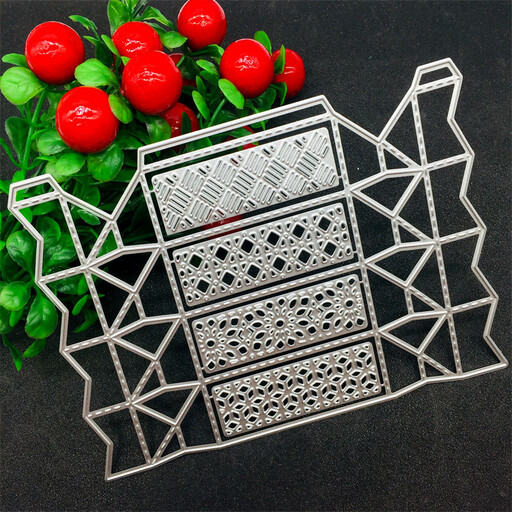
Why this product suits this profile: According to the product description, these metal dies are designed for cards, DIY scrapbooking, paper crafts and lace embossing, making them a versatile starting point for several crafting projects.
The description lists several possible uses. Even so, check before buying that your machine supports both cutting and embossing.
Metal dies for card making, scrapbooking and paper projects; according to the product information, also suitable for lace embossing.
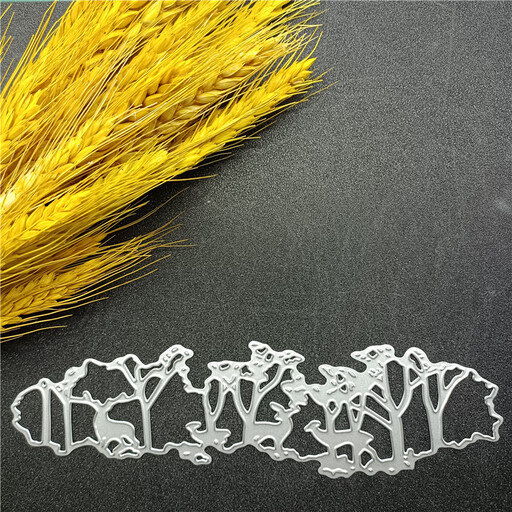
Why this product suits this profile: The combination of cutting dies, metal templates and embossing features is aimed at crafters who want to switch between card making, album design and paper embossing.
The product name makes its intended function as a tool clear. Nevertheless, check whether you need it for cutting, embossing or both.
Listed for card making, scrapbooking, DIY albums and embossing projects.
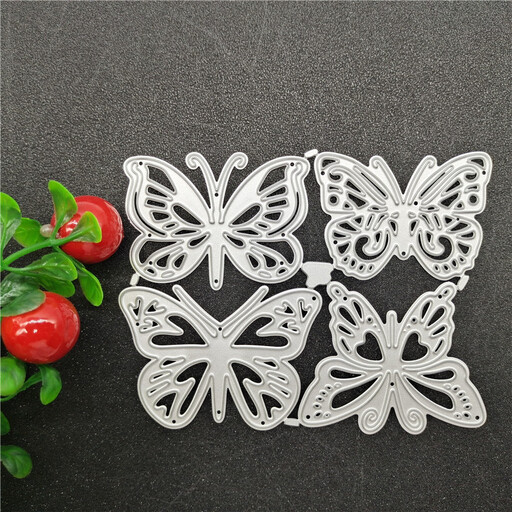
Why this product suits this profile: Four butterfly designs are intended for card series, scrapbook pages and recurring seasonal decorations.
The number of designs is stated clearly in the product name. Check the dimensions in advance, as they cannot be determined from the name.
Four butterfly cutting dies; listed for scrapbooking, cards and album decoration.
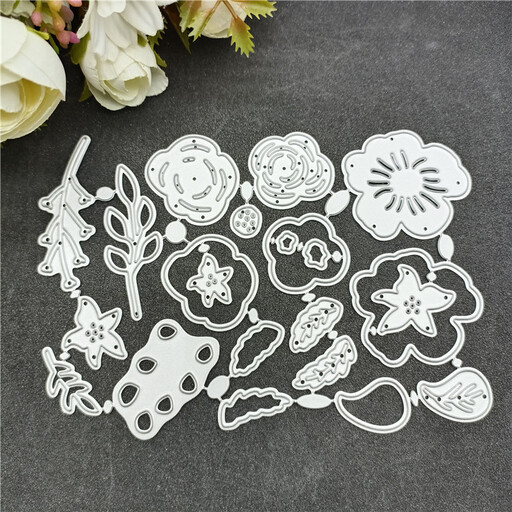
Why this product suits this profile: According to the product description, the flower and leaf designs can be used for DIY cards, scrapbooking, paper crafts and album decoration.
The design group is clearly named, making it suitable for projects where flowers and leaves need to be combined repeatedly.
Flower cutting dies with leaves; intended for cards, albums and paper decoration.
We have put together a complete, regularly updated list of products that fully meet these strict selection criteria and the safety regulations applicable in the EU.
Before ordering cutting dies for paper crafts, work through this checklist:
A manual die-cutting and embossing machine is generally required. The plates and shims needed depend on the machine model and the die. Before buying, compare the manufacturer’s instructions for your machine with the information provided on the product page.
There is no standard service life that applies in every case. It depends on factors including the quality of the metalwork, the complexity of the design, paper thickness, pressure settings and care. Clean, dry storage and the correct pressure setup can help reduce unnecessary strain. If a die requires an unusual amount of force when cutting, check the plate combination you are using.
This depends on the die, the machine and the thickness of the card. The maximum material thickness should be stated in the available product or machine information. If you are using an unfamiliar material, it is best to make a test cut before working on your actual card project. Multi-layered or heavily textured papers may produce different results from smooth craft paper.