
Lieferung heute & morgen

Qualitätsgarantie

Willkommens-Angebote freischalten: KOSTENLOSE Lieferung | Bis zu 80 % RABATT | Kostenlose 30-Tage-JoyPlus-Testphase
App herunterladen
Metal cutting dies for scrapbooking can turn plain paper into floral motifs, borders or lettering. However, the pictured design is not the only thing to consider when buying. Many listings highlight a wide range of motifs but leave out important details about compatibility, dimensions or what is included. This can mean that a die does not fit your existing machine or that the design is unsuitable for the card format you have in mind.
This buying guide explains which points to check before purchasing scrapbooking dies, embossing folders for paper and cutting dies for card-making projects.
Metal dies are usually used between cutting plates and a suitable die-cutting machine. Not every die is automatically compatible with every device. Important considerations include:
The product description “for the die-cutting machine” alone is not a substitute for checking compatibility. When buying a new die, compare your machine’s instruction manual and the product’s dimensions.
A large background design may work well on a square card, but could be impractical on a small gift tag. For flower dies, lace border dies or letter dies, you should therefore measure the finished format beforehand.
Larger frame or background dies are particularly useful for photo albums and scrapbook pages. Smaller individual motifs can be more versatile for cards, gift tags and decorations.
A set may contain several metal dies, but this does not necessarily mean that it also includes stamps, storage pockets or additional craft materials. Check the following:
The products listed on this page have been categorised based on their respective product descriptions. Details such as material thickness, exact dimensions and machine compatibility should be checked directly on the product page before buying.
Metal cutting dies are designed for use with a suitable die-cutting machine. A precisely finished cutting edge is important for clean outlines. As the available product information does not specify the metal alloy or material thickness, these details should not be assumed.
Also consider whether the design contains very fine internal areas. Highly intricate patterns may require more patience when removing the paper. Thin but sufficiently sturdy paper and, where appropriate, an embossing mat can make the process easier.
Not every metal die serves the same purpose. Cutting dies separate the paper along the outline. Embossing folders press a pattern into the surface without cutting all the way through the material. Some sets are advertised for both applications, but the precise use depends on the die and the machine combination being used.
For a card project, check whether you need a cut-out flower embellishment, a raised paper texture or a combination of both.
Cardstock for card-making is often thicker than lightweight scrapbooking paper. The suitable paper thickness depends on the die-cutting machine, the die and the plate system being used. With detailed designs, test the die on a scrap piece first.
The inner areas of individual characters are particularly important with letter dies and number dies. Small cut-outs can deform more easily when using very thin or fibrous paper. For lace patterns and intricate floral designs, carefully remove the paper with a suitable tool.
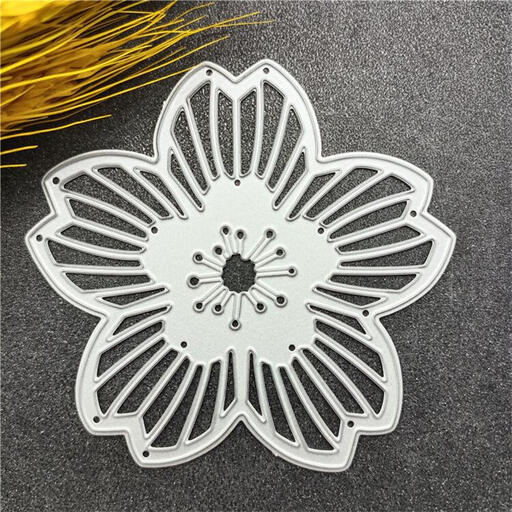
Why this product suits this profile: The flower motif is aimed at beginners who want to create cards, photo albums or gift decorations with a clearly recognisable design. The product description refers to a kit for card-making, paper embossing and scrapbooking.
The motif is clearly identified. However, you should still check the exact dimensions and machine compatibility before buying, so that the die is not too large or too small for your planned card format.
Floral applications; according to the product description, it is intended for cards, embossing and scrapbooking.
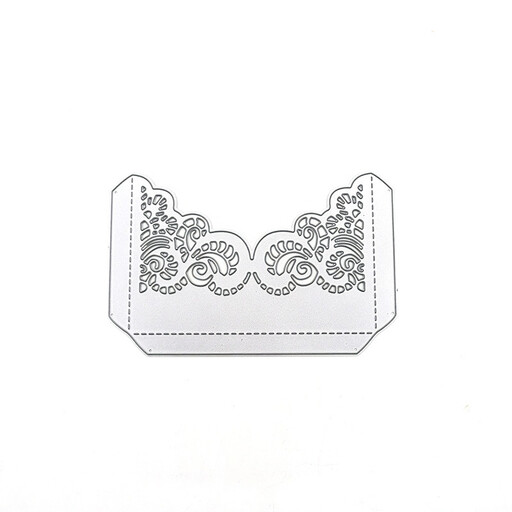
Why this product suits this profile: The combination of lace, flower and border motifs is suitable for anyone planning wedding invitations, photo albums or decorative paper pages featuring multiple design elements.
The types of motifs are clearly listed in the description. You should also check whether the border covers the desired card edge and whether the intricate areas are suitable for the paper thickness.
Border, lace and flower motifs in one set designed for decorative paper projects.

Why this product suits this profile: Anyone who regularly creates personalised cards, birthday decorations, album pages or lettering needs letter and number dies rather than individual seasonal motifs.
The contents list 26 capital letters and 10 numbers. Nevertheless, check the font size, character dimensions and compatibility with your die-cutting machine before buying.
Alphabet with 26 capital letters, plus 10 numbers for personalised lettering.
For more ideas for DIY craft supplies, die-cutting templates for your machine and suitable card projects, you can also browse the Card-Making Kits for Adults category.
We have put together a complete, regularly updated list of products that fully meet these strict selection criteria and the safety regulations applicable in the EU.
Paper or card whose thickness falls within the die-cutting machine’s specifications is generally suitable. Lightweight scrapbooking paper is easier to remove with many intricate designs. Thicker card is often used for card-making, although its suitability depends on the machine and die in question.
No. Size, the plate system and the required pressure height can vary. Check the machine manufacturer’s specifications and compare them with the information on the relevant product page. If dimensions or compatibility details are missing, only make your purchase after making an enquiry.
Use suitable paper, a clean cutting plate and the combination recommended by the machine manufacturer. With lace borders, small letters or narrow internal areas, carefully lifting the design with a suitable paper tool can help. Avoid applying excessive pressure if the machine is not designed for it.