
Lieferung heute & morgen

Qualitätsgarantie

Willkommens-Angebote freischalten: KOSTENLOSE Lieferung | Bis zu 80 % RABATT | Kostenlose 30-Tage-JoyPlus-Testphase
App herunterladen
Metal cutting dies for scrapbooking are ideal for greeting cards, photo albums, invitations and decorative paper projects. They cut shapes from paper or card and, depending on the design, may also be used for embossing or creating raised effects. However, it is worth taking a close look at the design, dimensions and compatibility before buying. Product images alone do not always show whether a die will suit your craft project or work with your existing die-cutting machine.
Frame dies often look larger in product images than they really are. A wide border may be suitable for an A6 card, while taking up too much space on a small gift-tag card. Therefore, check:
Card-making dies with nested frames are particularly practical when several sizes are required. A single large die, on the other hand, is better suited to full-background designs or larger scrapbook pages.
Not every metal die is automatically compatible with every die-cutting and embossing machine. Important factors include the size of the die, the required sandwich combination and the maximum paper thickness your machine can handle. If the seller does not provide specific details, test the die first with inexpensive paper.
The term “embossing stencil” can also be used in different ways. Some products are primarily intended for cutting, while others may also create a raised effect depending on their construction and the accessories used. An embossing function should only be assumed if it is explicitly described.
Lace borders, floral patterns and decorative corner designs often contain narrow bridges. With very thick card, these areas may not be cut out completely; with thin paper, they may tear when removed. A suitable cutting mat, wax paper or specialised brush can make it easier to remove small scraps of paper. These accessories are not automatically included with the product.
Look for a flat, neatly formed metal plate without visible warping or sharp, loose edges. A sturdy die is a sensible choice for repeated crafting projects, as it will regularly be exposed to pressure. Claims about a specific metal alloy or guaranteed lifespan should only be taken into account if they are clearly stated by the seller.
First, match the die to its intended use:
Multi-piece sets with nested sizes offer more creative possibilities, but require sufficient storage space and precise alignment during use.
Thin scrapbooking paper requires different settings from heavyweight card. Check your die-cutting machine’s specifications and begin with a test cut. If the design is not cut all the way through, a second pass may help. However, excessive pressure can put additional strain on both the die and the cutting plates.
The following products cover a range of applications. The product names and visible features are based on the relevant listing information. Check the dimensions, contents and machine compatibility on the product page before buying.
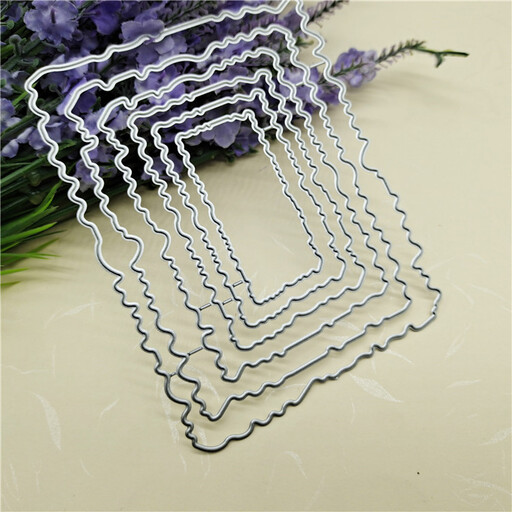
Why this product suits the profile: The rectangular design follows a commonly used card and album format, making it suitable for simple frame layouts.
The clearly described rectangular design reduces the risk of choosing an unsuitable decorative motif for a simple card front. The dimensions and compatibility should still be checked.
Rectangular frame; according to the product name, intended for scrapbooking and card making.
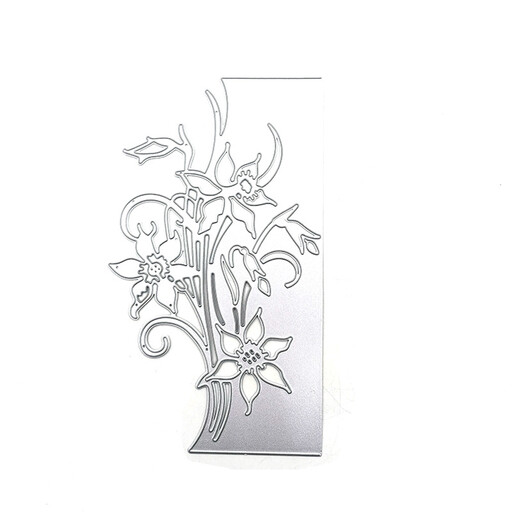
Why this product suits the profile: The rose design combines decorative individual accents with the option to create themed cards and scrapbook pages.
The design description specifically identifies the rose. This makes it easier to decide before buying whether the pattern suits a wedding, birthday or floral album.
Rose design; according to the product name, intended for cards, paper crafts, scrapbooking and lace embossing.
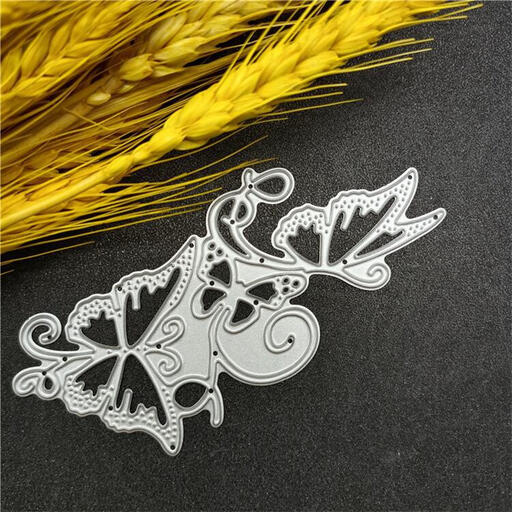
Why this product suits the profile: The description mentions 3D backgrounds as well as party and wedding decorations, making it suitable for more extensive paper projects.
The specific reference to backgrounds makes the intended use clear. Before starting a larger series, test-cut the die with your card stock.
Description of a 3D background design; intended for albums, cards and decorations.
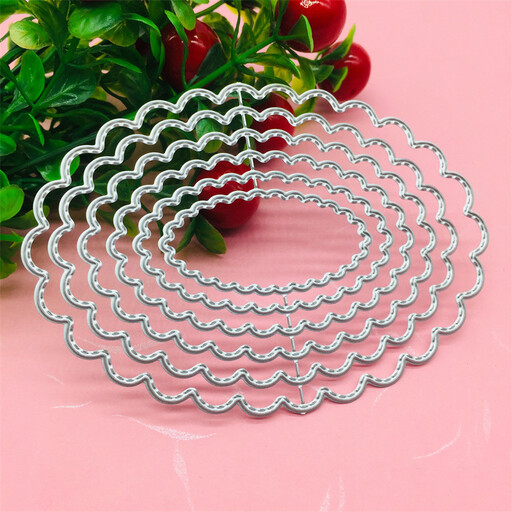
Why this product suits the profile: Nested lace frames can be used for stepped card fronts, wedding cards and decorative inner panels.
The name explicitly refers to a nested lace frame. This helps with selection, but does not replace checking the sizes and embossing compatibility.
Nested frame concept; according to the product name, intended for cards, scrapbooking and embossing stencils.
We have put together a complete, regularly updated list of products that fully meet these strict selection criteria and the safety regulations applicable in the EU.
For DIY scrapbooking accessories, cutting mats, embossing plates, storage folders and a suitable weeding tool are also useful. These additional items have a greater impact on ease of use than an especially promotional product name.
For beginners, clearly defined rectangular or simple frame dies are generally easier to position than very intricate lace or floral designs. The right dimensions and compatibility with your existing die-cutting machine remain essential.
There is no reliable one-size-fits-all answer. Their lifespan depends on the material, pressure, paper thickness, machine configuration and storage conditions. Avoid unnecessary pressure and regularly check the cutting plates for deep grooves.
Some metal dies for paper can also create a raised effect, depending on their construction and the accessories used. However, this function is not automatically available on every model. Check the specific product description and your die-cutting machine’s instructions before starting an embossing project.