
Lieferung heute & morgen

Qualitätsgarantie

Willkommens-Angebote freischalten: KOSTENLOSE Lieferung | Bis zu 80 % RABATT | Kostenlose 30-Tage-JoyPlus-Testphase
App herunterladen
Metal cutting dies for scrapbooking make it easier to create cards, photo albums, gift packaging and decorations. They cut designs from paper or card and, depending on the type, can also create embossed effects. The choice may seem straightforward at first, but product images and terms such as “3D”, “embossing” or “for all crafting machines” can conceal important differences.
If you want to enjoy your scrapbooking dies for years to come, you should look beyond the design alone. Compatibility with your existing machine, the actual size of the cutting die and the thickness of the paper you plan to use are all crucial factors.
Not every metal die fits every die-cutting and embossing machine. Differences may include the maximum feed width, the required sandwich height and the plates used. A die may be suitable for one manual machine but too thick or too large for another model.
Before buying, check the specifications provided by the manufacturer of your machine. If there is no information about the required plate combination, it is best to compare the product carefully with the instruction manual.
A paper cutting die may cut out an edge, emboss a pattern or combine both functions. However, product listings do not always distinguish clearly between these terms. Cutting edges are usually found around the outside or around internal cut-outs. A metal embossing folder or die without a cutting edge, on the other hand, often requires a different plate combination.
If you want to cut out a design for card making, look for terms such as “cutting die”, “die cuts” or “cutting shape”. For a raised, textured surface, terms such as “embossing” or “embossed” are the relevant indicators.
Very intricate flowers, butterfly or leaf designs can look highly detailed in product images. In practice, however, the result depends on the quality of the paper, the pressure and the machine. Paper that is too thin may tear when the design is removed, while thick card may not cut completely through fine internal lines.
For beginners, clear outlines and sufficiently large internal areas are usually the best choice. Complex DIY craft templates are more suitable once you have experience with the right plate settings and paper thicknesses.
Many scrapbooking dies are made of metal, with carbon steel often specified for individual products. A general marketing claim is less important than the actual construction: the die should lie flat, the cutting edge should appear even and the connections between several design elements should not be visibly bent.
For metal embossing dies, the depth and clarity of the relief are also important. Very deep textures can increase the risk of tearing thin paper. For greeting cards and photo albums, use paper thicknesses within the range recommended for the machine in question.
Check the following before buying:
Frame dies should match the card size you want to create. A rectangular frame can be used for a photo album, invitation or mount-style design. With floral shapes, also check whether the design is intended to be used individually or as a complete background.
For a clean result, three factors need to work together: machine, die and material. Start with a test cut using scrap paper. When working with thicker materials, do not operate the machine with excessive pressure unless this is expressly recommended.
Textured papers and craft card are often well suited to card making. For photo albums, acid-free materials are preferable if long-term photo preservation is important. For wedding craft supplies, such as invitations or place cards, repeatable designs including frames, numbers and floral embellishments are particularly practical.
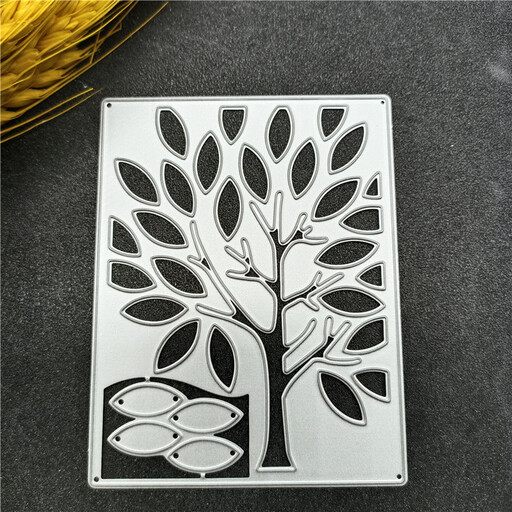
Why this product suits this profile: Leaves work well as a recurring design element for cards, album pages and simple nature-inspired projects. The design can be combined with other decorations.
The clearly recognisable leaf design is less dependent on extremely fine details than intricate patterns. Machine compatibility should still be checked before use.
Leaf design for paper crafts; according to the product description, intended for card making, embossing and scrapbooking.
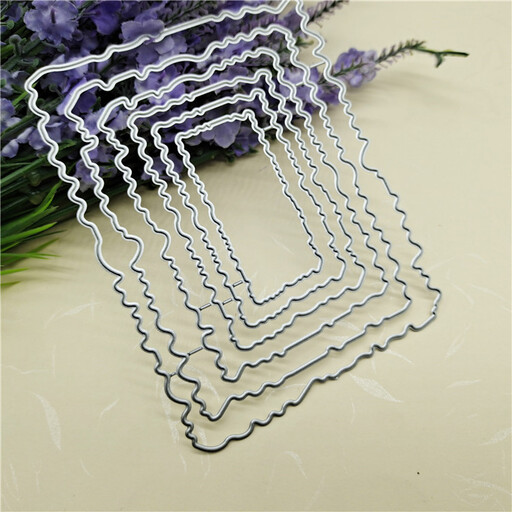
Why this product suits this profile: Rectangular frames make it easier to create controlled layouts for cards, photo albums and invitations. Multiple frame lines can be used for different designs.
The rectangular basic shape makes it easier to check the dimensions. Before buying, compare the actual measurements with the card or photo format.
Frame design for decorative paper crafts; according to the product description, intended for scrapbooking and card making.
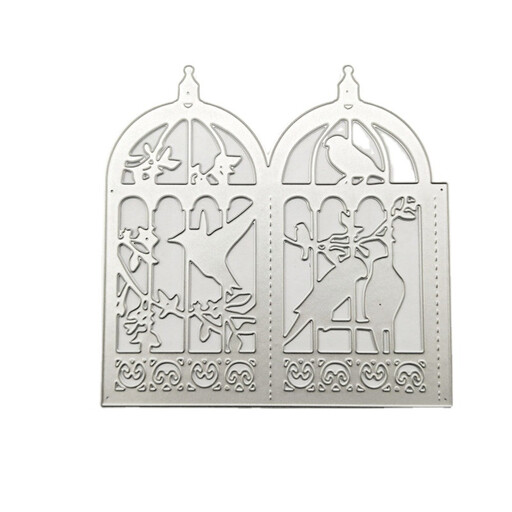
Why this product suits this profile: This design is aimed at wedding cards, album decorations and themed paper projects. For batch production, it is advisable to make a test cut before starting the actual project.
The intended occasion is clearly stated in the product description. This reduces the risk of choosing a general design for a project with a specific theme.
Wedding-themed die; according to the product description, intended for scrapbook albums, paper cards and embossing.
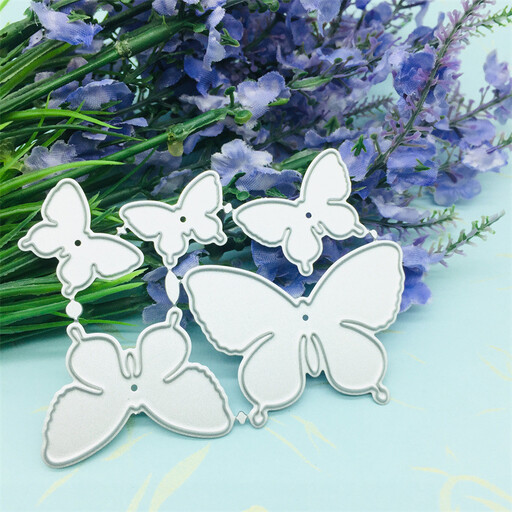
Why this product suits this profile: Five butterfly designs allow for a variety of cards, album pages and decorations. The shapes can be arranged individually or as a group.
The stated quantity of five designs provides a clear, easy-to-understand selection. Even so, check the dimensions, connector width and machine compatibility before buying.
Five butterfly shapes; according to the product description, intended for paper cards, albums, scrapbooking and embossing.
We have put together a complete, regularly updated list of products that fully meet these strict selection criteria and the safety regulations applicable in the EU.
After die-cutting, remove any paper scraps carefully. Do not use tools that could bend the cutting edge. With intricate dies, a specialised embossing or release tool may be helpful, provided it is suitable for the die in question.
Store metal cutting dies in a dry, flat place. A labelled folder makes it easier to organise them by design group, such as flower dies, butterfly dies or frame dies. We recommend making a test cut before using each new type of paper. This helps prevent unnecessary material waste and damaged cards.
This depends on the die and the crafting machine. Thin paper is generally easier to cut, but may tear when used with intricate designs. Card produces more stable results but may require greater pressure. The recommendations in the machine and product instructions are the deciding factor.
No. Some dies are primarily designed for cutting, while others can also be used for embossing. Look for clear labelling as a cutting die, embossing die or combination of both. The required plate combination may also differ.
There is no standard service life that applies to every product. It depends on the material, frequency of use, paper thickness, machine compatibility and storage conditions. If the dies are not overloaded, are stored in a dry place and are used correctly, unnecessary warping and damage can be avoided.