
Lieferung heute & morgen

Qualitätsgarantie

Willkommens-Angebote freischalten: KOSTENLOSE Lieferung | Bis zu 80 % RABATT | Kostenlose 30-Tage-JoyPlus-Testphase
App herunterladen
Metal cutting dies for scrapbooking are useful when you want to cut repeated motifs with even outlines from paper, card or thin craft materials. The choice may seem straightforward at first: choose a design, place an order and put it into the die-cutting machine. In practice, however, unclear size specifications, compatibility issues or highly intricate designs can quickly lead to unsuitable purchases.
This guide is aimed at scrapbooking fans, card makers, paper crafters and DIY creatives in Germany. It focuses on objective features you should check before buying.
Terms such as “metal die” or “embossing stencil” reveal little about the actual product. What matters is whether the manufacturer specifies a particular material, such as carbon steel, and whether it is designed solely for cutting or can also be used for embossing.
The image can also be misleading: a design that looks large in the product photo may turn out to be much smaller when used on a greeting card or photo album. Always check the stated dimensions and the number of included pieces.
Not every cutting die will automatically fit every die-cutting and embossing machine. Differences may include:
If no clear compatibility information is available, consult your machine’s instructions. A metal cutting die must not be forced through a machine using excessive pressure.
Flower cutting dies, lace borders or small letter dies may contain many narrow cutting lines. With very thick card, these designs may be more difficult to release than simple frame or number shapes. For beginners, clearly defined outlines and a moderate level of detail are generally easier to work with.
Several products listed explicitly mention carbon steel in their product names. This material can enable a precise cutting edge. However, it does not automatically indicate a particular service life or machine compatibility. You should also look for:
Choose the design according to your project, rather than focusing solely on its appearance. Frames, plant designs and borders, for example, work well in photo albums. Numbers and letters are useful for cards featuring names and dates. Seasonal projects benefit from Christmas cutting dies or general festive designs.
Typical categories include:
A set containing several individual pieces can offer more creative possibilities, but it also requires more storage space. So check whether you need individual elements, complete frames or designs that can be combined.
With product names containing terms such as “Only Cutting Dies”, pay particular attention to whether the set really contains cutting dies only. An embossing stencil or stamp is not automatically included in such a set.
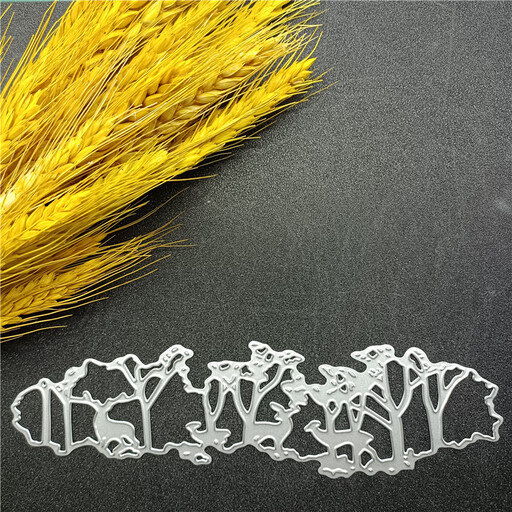
Why this product suits this profile: Its broad focus on card making, scrapbooking and DIY albums makes it suitable for users who want to try out a range of paper projects to begin with.
The product name identifies cutting dies, stencils and an intended area of use. Nevertheless, check the exact dimensions and machine compatibility before buying.
Versatile design for paper, cards and albums; described as a metal template for a variety of DIY projects.
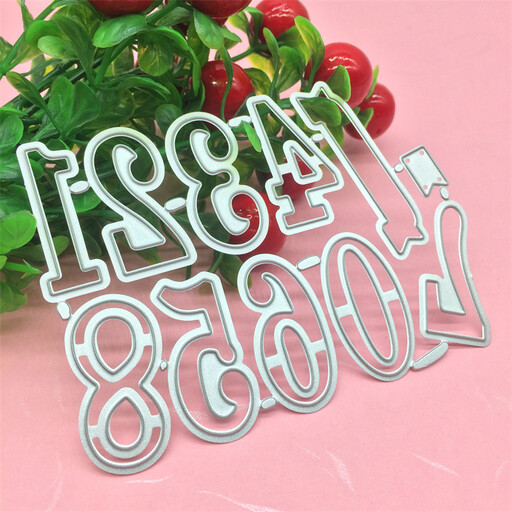
Why this product suits this profile: This set is aimed at crafters who want to add names, headings or short messages to cards and photo albums.
The stated contents include 26 capital letters and 10 numbers. This makes the set contents clearer than those of a motif set with no further description.
Alphabet with capital letters and 10 numbers; intended for cards, paper crafts, albums and decorative words.
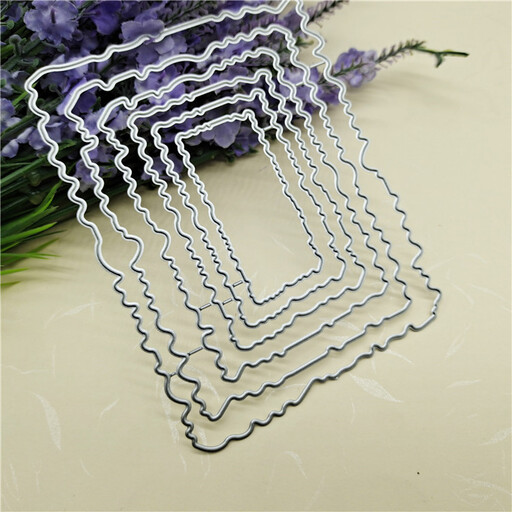
Why this product suits this profile: Rectangular frames can be used for cards, album pages and decorative paper surfaces, making them suitable for repeatable layouts.
The rectangular shape is clearly stated in the product name. Before ordering, check the outer and inner dimensions to ensure the frame fits your card format.
Described as a 1-set rectangular frame for decorative paper crafts, scrapbooking and card making.
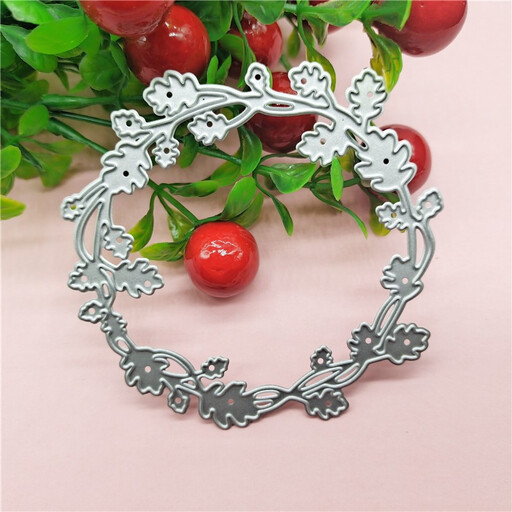
Why this product suits this profile: The wreath design is intended for Christmas decorations, photo albums and card making, making it suitable for seasonal projects.
The seasonal purpose is clear from the product name. This makes it easier to assess before buying whether the design suits your project requirements.
Wreath design with a Christmas theme; intended for scrapbooking, photo albums, paper embossing and card making.
Place the paper and cutting die between the designated plates, following your machine’s instructions. A test cut using scrap paper will show whether the design size, pressure and material work well together. With intricate designs, specialist die-cutting paper or a thin layer of paper may be useful. Do not use materials that are not approved in the machine’s instructions.
After use, remove any paper scraps from small cut-outs. A dry, soft brush can help with this. Store metal dies in a dry place, preferably laid flat. Rust, bent edges or damaged connecting points can affect cutting quality. Without information from the manufacturer and details of how the product is used, it is not possible to predict a specific service life reliably.
We have put together a complete, regularly updated list of products that fully meet these strict selection criteria and the safety regulations applicable in the EU.
This depends on the cutting die and the machine you use. Thin craft paper is usually easier to process than very thick card. Follow the information provided by the machine and die manufacturers, and start with a test cut when working with unfamiliar materials.
No. Working width, plate configuration and permitted material thickness can vary. Before buying, check your machine’s instruction manual and the product information for the specific cutting die.
Use suitable paper, position the die straight and avoid applying excessive pressure. With very fine designs, several gentle passes or a thin shim recommended by the machine manufacturer may help. The exact method should always be appropriate for both the machine and the die.