
Lieferung heute & morgen

Qualitätsgarantie

Willkommens-Angebote freischalten: KOSTENLOSE Lieferung | Bis zu 80 % RABATT | Kostenlose 30-Tage-JoyPlus-Testphase
App herunterladen
Metal die-cutting designs for scrapbooking create decorative motifs, frames and borders with repeatable outlines. However, if you are looking for suitable dies for paper, cards and photo albums, you should not base your decision solely on product images or claims about large sets. Material details, compatibility with your existing die-cutting machine and the type of motif you actually need are all crucial.
Not every metal die fits every machine. Many listings simply state that a product is “suitable for scrapbooking”, without explaining whether it can be used with a manual or electric cutting machine. Before buying, check whether the design is intended as a flat cutting template for your machine’s plate system.
The motif size also matters. A large frame die may be suitable for an A5 card, but it might not fit through a compact machine.
The terms embossing templates, cutting templates and embossing dies are sometimes used interchangeably by retailers. A die with a cutting edge separates paper along an outline. An embossing design, by contrast, mainly changes the surface and creates a raised relief. With combination products, the specific construction is what matters.
If you want to buy metal dies for cards, check whether the product description refers to a cutting edge, an embossed pattern or both.
A delicate floral motif will look different on a single greetings card than on a highly decorated scrapbook page. With lace border dies, you also need to consider the required length. Frame designs need enough paper surface and can be difficult to release cleanly from very thin paper.
A little planning before you buy is worthwhile:
For the products considered here, metal or carbon steel is used as the material or product description. This alone does not indicate the actual cutting quality. More important is whether the die has a clearly defined cutting outline and is described for use with paper or card.
Thin, detailed outlines can create decorative results with small motifs, but they usually require careful positioning and suitable paper. A further pass may be needed for large areas or very fine interior sections. A cutting mat and the plates recommended by the machine manufacturer help apply pressure evenly.
Frame dies, flower dies and label designs serve different purposes:
Compare the product images with the card size you intend to use. With photo albums in particular, also make sure that the edge area will not interfere with the binding, pockets or elements that have already been glued in place.
For clean results, the paper should lie flat and should not already be creased. With delicate or very thin paper, an additional backing layer may be useful. After die-cutting, fine paper remnants can be removed with an embossing stylus, tweezers or a small craft tool.
For recurring DIY card-making projects, a small test cut is recommended. This allows you to check the paper type, plate combination and pressure setting before using valuable patterned paper. Glue rollers can then make it easier to attach frames or flowers evenly to album pages.
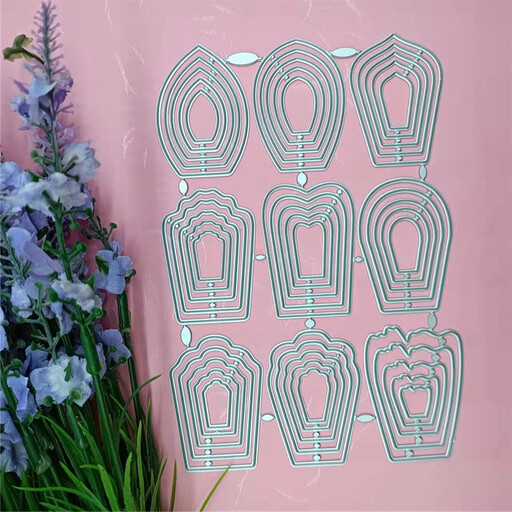
Why this product suits this profile: This versatile cutting design is a practical choice for crafters who want to try out different paper and card projects first.
The product name specifically refers to scrapbooking, paper and cards. Machine compatibility and dimensions still need to be checked before purchase.
Metal cutting design for DIY paper and card projects; versatile as a craft tool for photo albums.
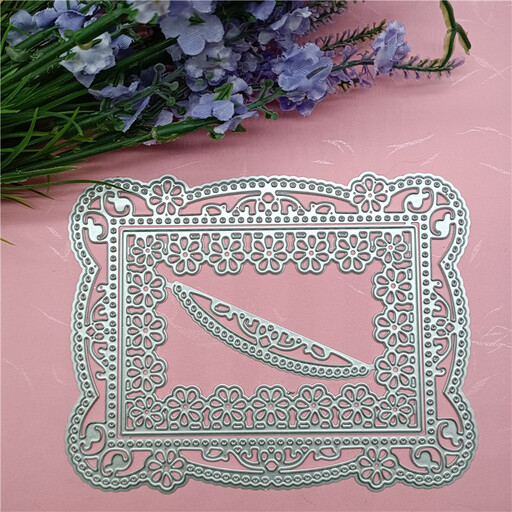
Why this product suits this profile: This frame design is aimed at users who want to give photos, card motifs or album pages a structured border.
The clearly named frame makes it easier to match the product to your project. Check the dimensions and inner opening against the photo or card format before buying.
Metal frame motif; according to the product description, it is intended for photo albums, cards and decorative embossing.
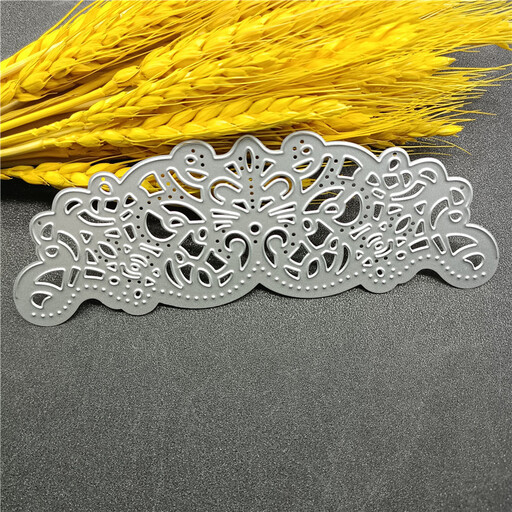
Why this product suits this profile: Ideal for card makers and scrapbooking enthusiasts who need recurring edge or border motifs.
The motif is identified as a border rather than just a single decorative element. Check the required strip length and whether the design can be repeated for your project.
Decorative lace border; described for cards, album paper and scrapbooking decorations.
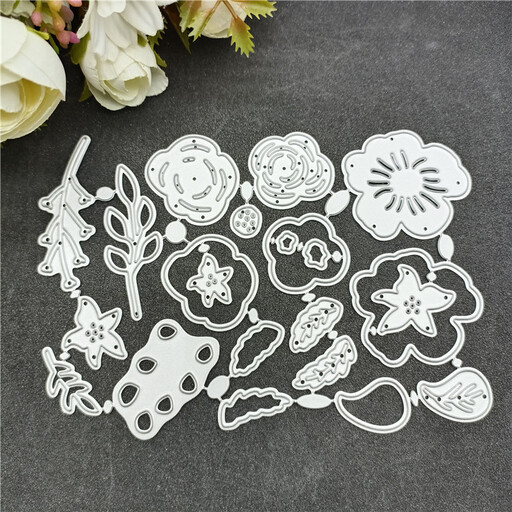
Why this product suits this profile: This set is suitable for users who want to incorporate flowers and leaves into greetings cards, photo albums or paper decorations.
The motif group is clearly identified as flowers and leaves, making it easier to decide in advance whether it suits your creative idea.
Metal flower and leaf elements; according to the product name, suitable for cards, paper crafts and scrapbooking.
Before using them for the first time, make sure the dies are dry and free from packaging residue. Position the paper as smoothly as possible between the designated plates. For delicate motifs, a test cut using standard craft card is recommended.
After die-cutting, remove any paper remnants carefully. Store the designs in a dry place and avoid keeping them permanently under heavy objects, as this could deform thin outlines. If you use them frequently, regularly check the cutting edge for wear and inspect the precision of the cuts.
For attaching paper motifs afterwards, a Deli Glue Roller with double-sided adhesive tape can be a useful addition to your photo-album crafting tools. According to the product description, it has a tape length of 8 m per roller and is intended for cards, journals and scrapbooking. See the Deli Glue Roller.
We have put together a complete, regularly updated list of products that fully meet these strict selection criteria and the safety regulations applicable in the EU.
This depends on the die and the machine you are using. Thin paper is often easier to cut, but it can tear with delicate motifs. Medium-weight craft card generally provides greater stability for cards and album decorations. Always take the maximum material thickness permitted by the die-cutting machine into account.
Not every metal die will emboss automatically. A cutting die is primarily intended for cutting shapes out. If you also want a raised relief, the product description and machine accessories must specifically refer to an embossing function or embossing application.
There is no universal service life. It depends on the material, cutting outline, paper weight, pressure setting and frequency of use. Clean plates, suitable materials and dry storage can help keep the dies usable for longer.