
Lieferung heute & morgen

Qualitätsgarantie

Willkommens-Angebote freischalten: KOSTENLOSE Lieferung | Bis zu 80 % RABATT | Kostenlose 30-Tage-JoyPlus-Testphase
App herunterladen
Micellar water is popular as a quick make-up remover, a facial cleansing water and an easy addition to your skincare routine. But not every product suits every skin type or every kind of make-up. A clear liquid, a “gentle” label or a large bottle alone tells you little about how well it cleanses or how suitable it is for your skin.
Many formulas are described as suitable for everyone. However, fragrances, alcohol or certain preservatives may be a concern for dry or sensitive skin. For oily or blemish-prone skin, a richer formula may not leave the skin feeling as you’d like.
That’s why it’s important to check the INCI list on the packaging. It shows, among other things, whether the product contains alcohol, perfume, plant oils, glycerine or acids. Product descriptions can change, so always refer to the information on the current packaging.
A classic micellar cleansing water will often remove light daytime make-up. For long-wearing lipstick, waterproof mascara or highly pigmented make-up, an oil-based two-phase formula may work better. Using an unsuitable product and rubbing hard can put unnecessary strain on delicate skin, especially around the eyes.
Look for specific claims such as “removes waterproof make-up”, whether it’s suitable for eyes and lips, and instructions for use. It’s usually better to leave a soaked cotton pad on the skin briefly than to rub firmly.
Micellar water that doesn’t need rinsing can be handy when you’re out and about, after exercise or at the end of a long day. Whether rinsing afterwards feels more comfortable depends on how your skin feels, the formula and your personal tolerance. Fragrance, surfactant or dissolved make-up residue may bother some people.
Micelles are cleansing aggregates that can bind oil- and water-loving ingredients. In practice, however, performance depends on the formula as a whole. Check whether the product is intended for the face, eyes and lips, and whether it’s designed to dissolve waterproof make-up.
If you’re sensitive to fragrance, declared ingredients such as parfum, limonene, linalool or essential oils are worth checking. If you want to avoid alcohol, check the full ingredients list rather than relying on the product name. For acids such as salicylic acid, PHA or glycolic acid, bear in mind that the product may be formulated to do more than simply cleanse.
400 ml bottles are suited to regular use, while 150 to 250 ml bottles may be easier to carry when travelling or for occasional use. How quickly you get through a bottle depends on how much make-up you wear, the cotton pad you use and how often you apply the product.
As a general guide, soak a cotton pad thoroughly, hold it briefly over your eyes or lips, then wipe away without pressing hard. Two-phase products need to be shaken first. You’ll find the best-before date, batch number and period after opening on the packaging.
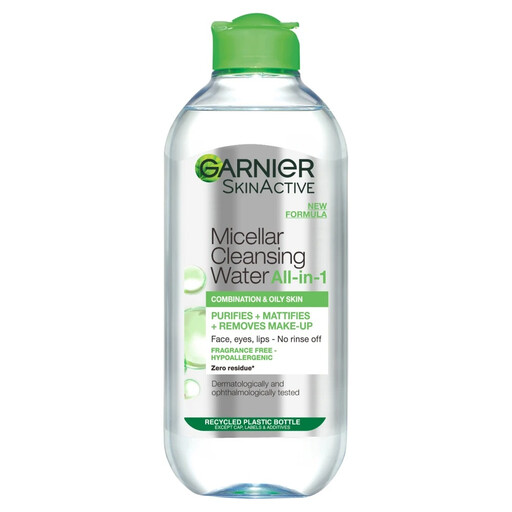
Why this product suits this profile: The 400 ml bottle is designed for regular use and, according to the product information, is suitable for the face, eyes and lips, with no rinsing required.
The product description clearly recommends using it without rubbing or rinsing. Still, check the INCI list for alcohol and any ingredients you may be sensitive to.
400 ml; apply with a cotton pad; according to the product information, suitable for all areas of the face, including the eyes and lips.
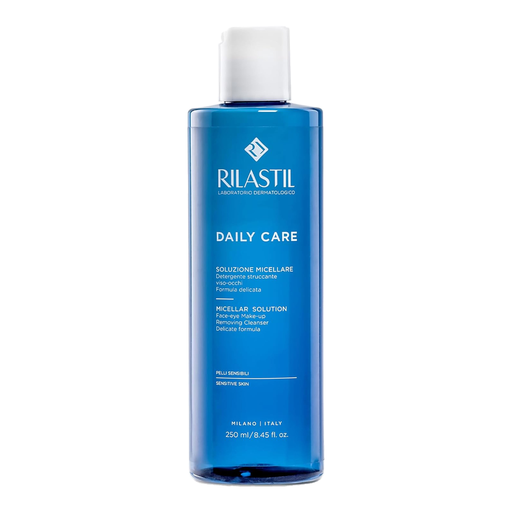
Why this product suits this profile: The product information provided describes a formula free from perfume, alcohol, colourants and parabens, and says it has been dermatologically and ophthalmologically tested.
The clearly stated exclusions make it easier to choose if you want to avoid fragrance or alcohol. Always refer to the information on the current packaging.
250 ml; according to the product information, suitable for sensitive skin and skin prone to redness, as well as for eye make-up.
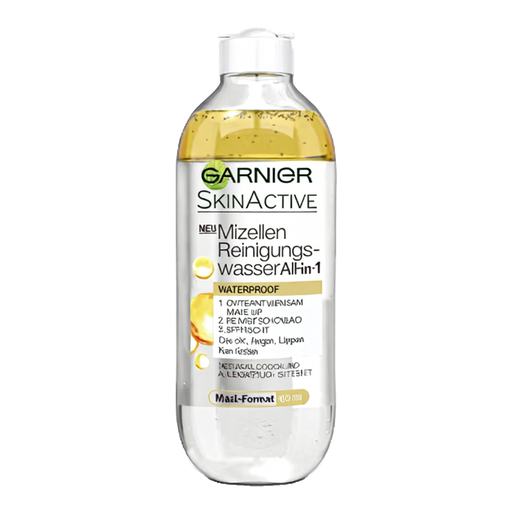
Why this product suits this profile: According to the product description, the two-phase formula combines micelles with make-up-removing oils and is specifically designed for waterproof make-up.
Its intended use is specified rather than described simply as a cleanser. Shake the bottle before use to combine the two phases.
400 ml; according to the product information, suitable for the face, eyes and lips, and for waterproof make-up.
We’ve put together a complete, regularly updated list of products that meet these strict selection criteria and fully comply with the safety regulations in force in the EU.
Not necessarily. Toner is often used after cleansing, whereas micellar water is primarily a cleanser and make-up remover. Some products combine several functions. The intended use stated on the packaging is what matters.
This depends on the formula and the manufacturer. Check the period-after-opening symbol and the best-before date. Close the bottle after each use and store it in a dry place away from direct sunlight.
Many products are described by the manufacturer as micellar water that doesn’t need rinsing. If you have sensitive skin or your skin feels sticky, rinsing with water afterwards may feel more comfortable. Always follow the instructions for the specific product.