
Lieferung heute & morgen

Qualitätsgarantie

Willkommens-Angebote freischalten: KOSTENLOSE Lieferung | Bis zu 80 % RABATT | Kostenlose 30-Tage-JoyPlus-Testphase
App herunterladen
Make-up, sun cream, sweat and dust are part of many people’s daily skincare routine. A micellar water make-up remover can make cleansing easier, but not every formula suits every skin type or cosmetic product. If you focus only on claims such as ‘gentle’, ‘cleansing’ or ‘for all skin types’, you may miss important differences.
A no-rinse cleansing water is handy when you’re out and about, at work or without access to a sink. However, traces of make-up, surfactants or oil-based ingredients may remain on your skin. If you’re wearing heavy make-up or water-resistant sun cream, a second cleansing step may be useful.
This description doesn’t automatically refer to a legally defined product property. So check the INCI list for alcohol, fragrances, essential oils and potentially irritating active ingredients. Even a product with just a few ingredients may not suit everyone. If you have sensitive skin, test the product on a small area first before using it regularly on your face.
Niacinamide, salicylic acid, PHA, glycerin and plant extracts can serve different purposes in a formula. But simply naming an ingredient says little about whether the product will suit your skin or remove water-resistant make-up effectively. What matters is the full formula, the instructions for use and what you need the product for.
Micelles bind dirt and make-up to the skin’s surface. A classic micellar water is often enough for light daytime make-up. For long-wear foundation, lipstick or mascara, an oil-based make-up remover for waterproof make-up is usually a better choice. Two-phase products generally need to be shaken before use.
Formulas containing salicylic acid, zinc or with a low pH may be an option for oily or blemish-prone skin. Don’t automatically think of these products as treatments: their primary purpose is cleansing. If you have persistent skin concerns, it’s a good idea to seek advice from a dermatologist.
Look for:
Always check the latest ingredients list on the packaging, as formulas can change.
Sizes between 200 and 500 ml can vary considerably in how long they last, depending on how often you use them. A large bottle is handy for daily facial cleansing, but may stay open for a long time if you only use it occasionally. Check the PAO symbol – the open jar with the number of months – as well as the best-before date or batch code on the packaging.
Use clean cotton pads and avoid rubbing hard. For the eye area, hold the pad in place for a few seconds before gently removing your make-up. Stop using the product if you experience stinging, redness or persistent discomfort.
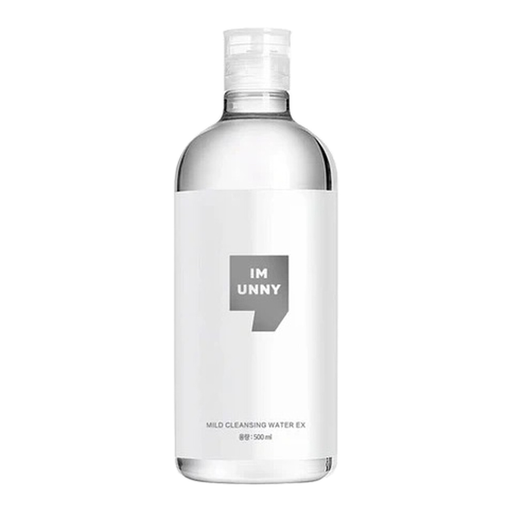
Why this product suits this profile: The 500 ml bottle is designed for daily facial cleansing. According to the product description, the water can be used on the face and to remove eye and lip make-up.
The product description says it cleanses without rinsing and can be used to remove eye and lip make-up. If you’re using it to remove water-resistant products, test it on a small area first.
500 ml; lightweight, water-like texture; according to product information, contains green tea extract and hyaluronic acid.
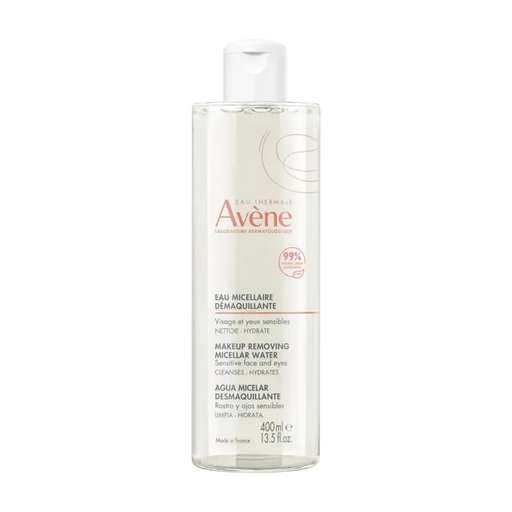
Why this product suits this profile: According to the product description, the formula is designed for sensitive skin and contains ingredients including glycerin and trehalose. It’s intended for use on the face, neck and eye area.
The listed formula contains 11 ingredients. Even so, check the fragrance information and the current packaging before you buy.
400 ml; according to the product description, no rinsing needed; with thermal spring water, glycerin and trehalose.
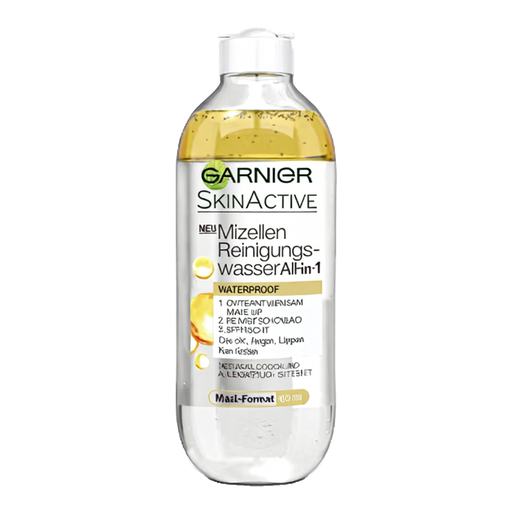
Why this product suits this profile: The product description mentions a combination of micelles and cleansing oils for removing water-resistant make-up. It says to shake the bottle before each use.
The two-phase formula makes it clear that the oil needs to be distributed before use. This helps prevent incorrect use when the liquid hasn’t been shaken.
400 ml; according to product information, suitable for the face, eyes and lips; designed for water-resistant make-up.
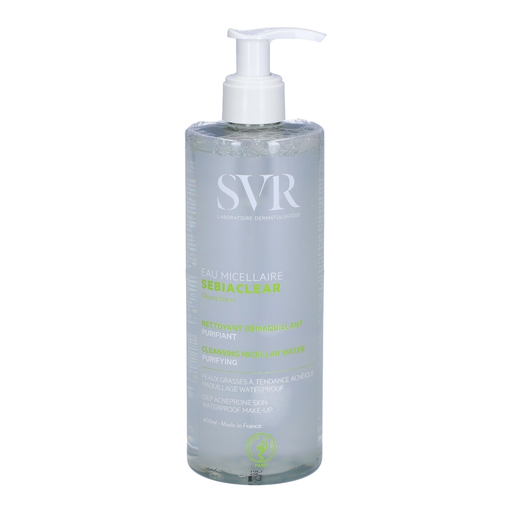
Why this product suits this profile: According to the product description, this micellar solution is designed for oily, blemish-prone and sensitive skin. It contains salicylic acid and zinc gluconate.
The active ingredients are clearly listed, but that doesn’t replace checking how well the product suits your skin. If you have sensitive skin, start by using it sparingly.
400 ml; according to product information, suitable for the face, eyes and lips; with salicylic acid and zinc gluconate.
We’ve put together a complete, regularly updated list of products that meet these strict selection criteria and fully comply with the safety regulations in force in the EU.
Not all products need to be rinsed off according to their instructions for use. However, rinsing may still feel more comfortable if you have sensitive, dry or irritation-prone skin. Follow the directions on the product packaging and pay attention to how your skin feels after use.
Many products are labelled for use around the eyes. Even so, avoid direct contact with your eyes and use a light touch. If the product gets into your eyes, rinse them immediately with water. If you wear contact lenses, check the product information too.
Check the PAO symbol on the packaging, for example ‘6M’ or ‘12M’. Keep the bottle tightly closed and store it in a dry place, away from direct heat or sunlight. If the smell, colour or consistency changes, stop using the product.