
Lieferung heute & morgen

Qualitätsgarantie

Willkommens-Angebote freischalten: KOSTENLOSE Lieferung | Bis zu 80 % RABATT | Kostenlose 30-Tage-JoyPlus-Testphase
App herunterladen
By Joybuy Product Recommendation Officer, July 14, 2026
Streaks on windows after cleaning, lint on polished surfaces, or car paint that won't dry properly after a wash—these are common frustrations. A high-quality microfiber cloth can make all the difference. However, the market offers a bewildering array of cloths for a wide variety of purposes.
This article serves as an objective guide. We'll explain the key features you should look for when making your selection and present a curated list of products for different applications. Our goal is to provide you with the information you need to make an informed purchasing decision.
The effectiveness of a microfiber cloth depends on specific material properties. Three criteria are particularly relevant for your choice.
The GSM (Grams per Square Meter) value is a measure of the cloth's density and thickness. It provides a direct indication of its absorbency and potential use case:
Microfiber cloths are typically made from a blend of polyester and polyamide. A common composition is 80% polyester and 20% polyamide. Polyester provides stability and cleaning power, while polyamide increases absorbency.
The weave determines the surface texture and, therefore, its intended use:
A major advantage of microfiber cloths is that they are reusable. To maintain their effectiveness over the long term, proper care is crucial. Wash the cloths at low temperatures (30–60°C) and never use fabric softener. Fabric softener clogs the fine fibers, destroying their cleaning and absorbent properties. It's best to air-dry the cloths.
Based on the criteria mentioned, we have compiled a selection of products for various needs.
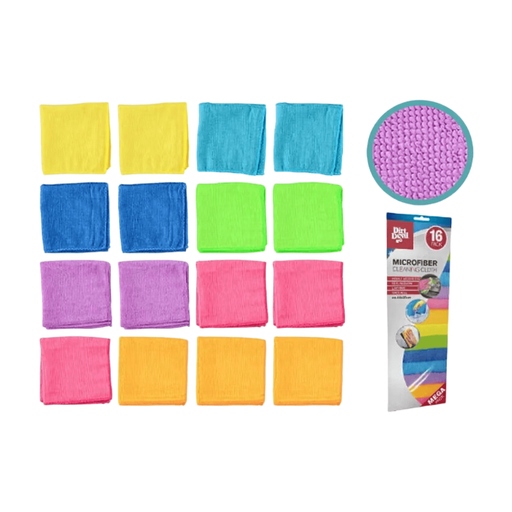
Why it's a great choice This 16-piece set from Dirt Devil offers a comprehensive solution for almost any cleaning task around the house. The cloths are made from a blend of 80% polyester and 20% polyamide, ensuring effective pickup of dirt, dust, and moisture. With a size of 30x30 cm, they are handy and versatile.
Advantages
Who is it for? This set is ideal for households looking for a cost-effective and practical starter kit of cleaning cloths for daily use.
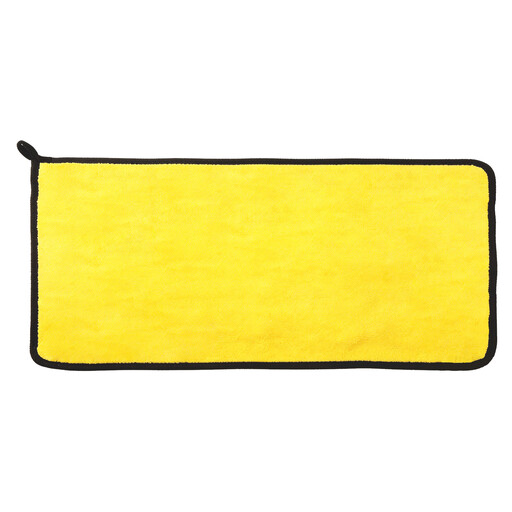
Why it's a great choice With a high weight of 600 GSM, this car care towel is specifically designed to meet the demands of car enthusiasts. The thick, soft material is extremely absorbent and gentle on paint surfaces. The dual-sided design (grey/yellow) allows for different applications, such as one side for drying and the other for polishing.
Advantages
Who is it for? Perfect for car owners who value thorough, paint-safe vehicle care and need a high-performance towel for drying and polishing.
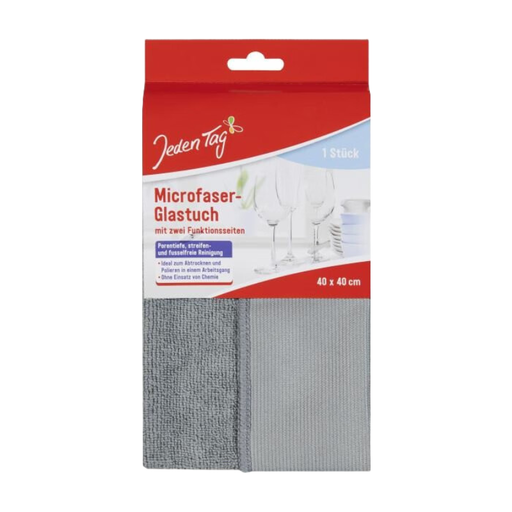
Why it's a great choice This glass cloth from Jeden Tag, with its 40x40 cm size and functional design, is specifically tailored for cleaning glass and smooth surfaces. It features a dual-sided structure: one side with striped cleaning fibers for dirt removal and a soft, plush side for drying and polishing.
Advantages
Who is it for? Ideal for anyone who values perfectly clean windows, mirrors, and other smooth surfaces in their home and is looking for a specialised tool to achieve it.
The products presented here cover common use cases. However, sometimes cloths with very specific properties are required. For a targeted search for cloths for glass surfaces, discover our selection of glass cleaning cloths.
Wash microfiber cloths separately from other laundry, especially cotton textiles, to avoid lint transfer. Use a mild detergent and never use fabric softener. A wash temperature of 40°C is usually sufficient. For heavy soiling, up to 60°C is possible if specified by the manufacturer. Air-dry the cloths.
GSM stands for "Grams per Square Meter" and describes the weight of the cloth. A higher GSM number means a thicker, denser, and generally more absorbent cloth. Low-GSM cloths (approx. 200-300) are good for general cleaning, while high-GSM cloths (over 400) are ideal for drying and polishing.
A clean, high-quality microfiber cloth is extremely soft and will not cause scratches on surfaces. The danger arises when coarse dirt particles (like grains of sand) get trapped in the cloth. Shake the cloth out before use and always use a clean side or a fresh cloth for heavily soiled areas to prevent scratching paint or other delicate surfaces.