
Lieferung heute & morgen

Qualitätsgarantie

Willkommens-Angebote freischalten: KOSTENLOSE Lieferung | Bis zu 80 % RABATT | Kostenlose 30-Tage-JoyPlus-Testphase
App herunterladen
Finding the right cleaning cloths can be overwhelming. While many products promise high absorbency and streak-free results, the differences in material and craftsmanship are often what determine the actual cleaning performance. The goal of this article is to provide an objective guide to help you find the right microfiber cloths or alternatives for your specific needs at home or in your business. We will introduce you to various models and explain the key features you should consider when making your selection.
To make an informed decision, several fundamental product characteristics are relevant. These criteria will help you evaluate the functionality and durability of cleaning cloths.
The effectiveness of a microfiber cloth largely depends on its composition. They typically consist of a blend of polyester and polyamide.
A common ratio is 80% polyester to 20% polyamide. Cloths with a higher polyamide content are often more absorbent, while a higher polyester content can enhance cleaning power. For tasks requiring the absorption of a lot of liquid, sponge cloths made from natural fibres like cellulose are a practical alternative.
The texture of the cloth determines its optimal area of use. Smooth, finely woven cloths are well-suited for glass and mirrors as they produce less lint and enable streak-free cleaning. Cloths with a thicker, fluffier texture (terry weave) can pick up more dirt and dust, making them ideal as a dusting cloth or all-purpose cloths for general surfaces. A waffle weave is particularly absorbent and is often used for dish towels.
Reusable cleaning cloths are a resource-friendly choice. Pay attention to the washing instructions. Most cleaning cloths are washable at 40°C or 60°C. A higher washing temperature contributes to better hygiene by killing more germs. You should avoid using fabric softener, as it clogs the fine fibres and permanently reduces absorbency. A cleaning cloth set with different colours can also help ensure hygienic separation by area of use (e.g., kitchen, bathroom, general).
Based on the criteria mentioned, we have compiled a selection of products that are suitable for different cleaning tasks due to their specific properties.

Why it stands out: This set from Vileda offers a practical solution for the entire household. The cloths are made from a blend of 80% polyester and 20% polyamide, ensuring a balance of cleaning power and absorbency. The colour-coding system makes it easy to hygienically separate the cloths by area of use.
Benefits:
Who it's for: This set is ideal for households looking for a reliable all-round solution for daily cleaning and who value hygienic organisation of their cleaning tools.
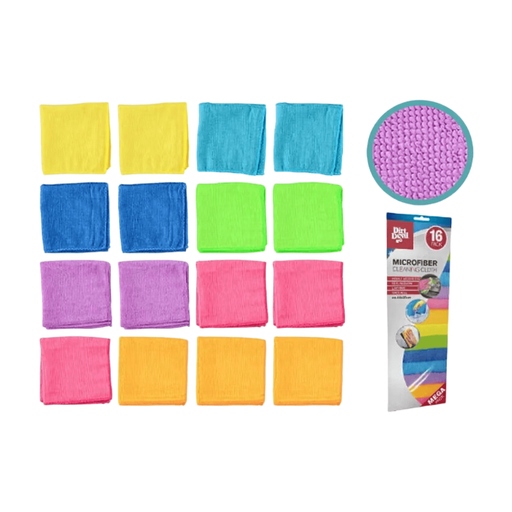
Why it stands out: This comprehensive cleaning cloth set with 16 cloths from Dirt Devil is designed for a multitude of tasks. According to the manufacturer, the soft material blend of 80% polyester and 20% polyamide is scratch-free, making it suitable for delicate surfaces like car paint, windows, or mirrors.
Benefits:
Who it's for: Ideal for users with a high demand for cleaning cloths, such as small business owners or vehicle owners who need a large quantity of versatile and surface-friendly cloths.
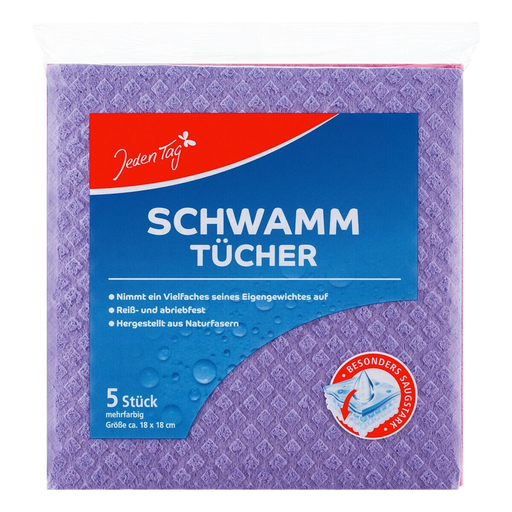
Why it stands out: As an alternative to microfiber cloths, these sponge cloths from Jeden Tag offer extremely high absorbency. They are made from natural fibres and are boil-proof, which allows for particularly hygienic cleaning.
Benefits:
Who it's for: This product is the right choice for users who need very high absorbency and value the ability to boil the cloths for germ reduction, for example in the kitchen.
If these recommendations don't include the right product for your needs, you can find a wider selection in our range. From specialised glass cloths to larger sets for commercial use, there are many more options to discover.
Explore our full range of washable cloths
1. How do you wash microfiber cloths correctly? Microfiber cloths should be washed separately from other laundry or with similar synthetic fabrics. Do not use fabric softener, as it clogs the fibres and reduces cleaning performance. Follow the manufacturer's washing instructions; temperatures of 40°C to 60°C are common. Air drying is recommended.
2. Can you achieve a streak-free clean with microfiber cloths? Yes, the fine fibre structure of microfiber cloths is ideal for achieving streak-free cleaning on surfaces like glass, mirrors, and stainless steel. for an optimal result, it is recommended to use a slightly damp cloth for cleaning and then a dry, clean microfiber cloth for polishing.
3. What is the difference between microfiber cloths and sponge cloths? The main difference lies in the material and function. Microfiber cloths are made of very fine synthetic fibres (polyester/polyamide) that effectively bind dust and dirt particles through their static charge. Sponge cloths are usually made of natural fibres (cellulose, cotton) and are distinguished by their extremely high capacity to absorb liquids. They are therefore particularly well-suited for wiping up spills.