The effectiveness of cleaning cloths is largely determined by their material composition and weave structure. Parameters such as absorbency, particle pick-up, and gentleness on surfaces are directly linked to the type of fibre. An informed choice, therefore, is based on analysing the cloth's technical specifications in relation to its intended application. This guide examines the most common materials and presents a selection of products with different specialisations.
Buyer's Guide: Material Properties in Detail
Choosing the right cleaning cloth depends on the surface to be cleaned and the type of dirt. Three material groups dominate the market: microfibre, cellulose-based fibres, and plant-based alternatives like bamboo.
1. Microfibre Cloths (Polyester/Polyamide Blend)
Microfibre cloths are made of synthetic polymers, usually a blend of polyester and polyamide. The fibres are many times thinner than a human hair. This fine structure creates a large surface area and a high capillary action.
- How they work: When used dry, the fibres become electrostatically charged, attracting dust and fine particles. When damp, the sharp-edged fibre profiles mechanically loosen dirt and grease, while capillary action absorbs the dislodged material along with the water.
- Use cases: Ideal for the streak-free cleaning of glass, mirrors, stainless steel, and other smooth surfaces. Their grease-cutting properties make them well-suited for kitchens.
- Properties: Very durable, retains its shape, and is typically washable at high temperatures, allowing for hygienic reuse.
2. Viscose and Cellulose Cloths
These household cloths are made from regenerated cellulose fibres derived from wood or other plant sources. Their main characteristic is exceptionally high absorbency.
- How they work: The porous and swellable structure of viscose fibres can absorb many times its own weight in liquid.
- Use cases: Perfect for mopping up spills, damp cleaning countertops, and general wiping tasks where high water absorption is a priority.
- Properties: Extremely absorbent, often biodegradable, but tend to be less tear-resistant and durable than microfibre cloths.
3. Bamboo Fibre Cloths
As a sustainable alternative, cloths made from bamboo viscose are gaining prominence. Bamboo is a rapidly renewable resource. The fibres produced from it combine several advantageous properties.
- How they work: Similar to other viscose fibres, bamboo cloths are very absorbent. They are also distinguished by a particularly soft and smooth texture.
- Use cases: Suitable as all-purpose cloths for the entire household, especially for delicate surfaces that require gentle cleaning.
- Properties: Soft, highly absorbent, and reusable. They are an excellent option for users who prioritise materials from renewable resources.
Featured cleaning cloth choices
The following product selection represents different material concepts and user profiles.
Vileda Microfiber All-Purpose Cloth Colors

- Why we recommend it: This cleaning cloth set features a proven material blend of 80% polyester and 20% polyamide, ensuring effective mechanical cleaning performance. The colour-coded system supports hygienic separation for different areas (e.g., kitchen, bathroom, living spaces), minimising the risk of cross-contamination. It is washable up to 60°C, allowing for thermal disinfection.
- Benefits:
- Powerful cleaning action and absorbency for removing dirt and grease.
- Enables streak-free cleaning on hard surfaces.
- Versatile for both dry and wet use.
- Colour-coded for organised and hygienic use.
- Durable and machine-washable for repeated use.
- Best for: Users looking for a reliable microfibre cloth for various surfaces who value a structured cleaning system. Suitable for households and small businesses.
Jeden Tag Household Cloth (6 pieces)
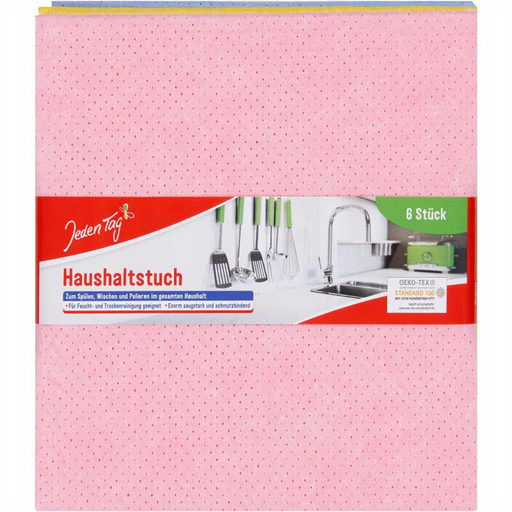
- Why we recommend it: This product focuses on maximum absorbency, achieved through a material composition of 85% viscose and 15% polypropylene and a perforated structure. It is designed for tasks where rapid liquid absorption is the priority. Its lint-free quality and the fact that it rinses out easily enhance its practicality for daily use.
- Benefits:
- Extremely absorbent due to a high viscose content and perforation.
- Lint-free design for clean results.
- Suitable for dry and wet cleaning.
- Functional design for everyday use.
- Best for: Budget-conscious users and households that frequently need to wipe up spills. A pragmatic solution for quick and easy cleaning of countertops and floors.
Cleaning Cloth Bamboofiber Set
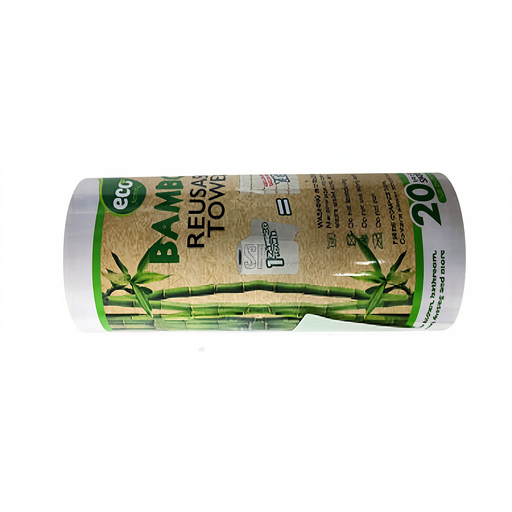
- Why we recommend it: This set meets the demand for sustainable household products. The use of bamboo fibre as the main material provides high absorbency and a soft texture that is gentle on surfaces. As a reusable alternative to disposable wipes, it promotes more resource-friendly consumption.
- Benefits:
- Made from bamboo fibre, a material from a rapidly renewable resource.
- High absorbency for efficient dirt and liquid pick-up.
- Soft texture, also suitable for delicate surfaces.
- Durable and washable for sustainable use.
- Best for: Users with a focus on eco-conscious products who need a versatile and surface-friendly all-purpose cloth for the entire household.
Other Alternatives and Speciality Textiles
The products featured cover key application areas. For specific requirements, such as polishing high-gloss surfaces or cleaning electronic devices, other speciality textiles are available. You can find an extensive selection of other textiles for the home, including specialised cloths, in our Fabric category.
Frequently Asked Questions (FAQ)
1. What is the technical difference between microfibre and cotton cloths? The main difference lies in the fibre structure. Microfibres are synthetic and extremely fine, creating a vast surface area and capillary action. They can mechanically loosen and trap dirt and grease. Cotton fibres are thicker, of natural origin, and primarily absorbent, but they tend to spread dirt rather than pick it up and can leave lint on smooth surfaces.
2. How should you wash cleaning cloths correctly to maintain their performance? Microfibre cloths should be washed at 40°C to 60°C to reduce bacteria. It is crucial not to use fabric softener, as it clogs the fine fibres and permanently impairs their cleaning performance. Tumble drying on a low heat setting can help to fluff up the fibres again. Viscose and bamboo cloths often require washing at lower temperatures; always follow the manufacturer's instructions on the care label.
3. Can you really achieve a streak-free clean with microfibre cloths? Yes, the ability to clean without streaks is a core feature of high-quality microfibre cloths. For optimal results, the cloth should be only slightly damp and wiped across the surface with even pressure. Too much water or residue from old cleaning agents on the surface can contribute to streaking. A clean, well-wrung-out cloth is essential.


