One person speaking from a fixed spot
If your main aim is to capture a family story clearly, you can position the microphone and the speaker in relation to each other and the fan.


For one person, a microphone positioned close by and pointed towards them is a sensible place to start. What matters is its distance and direction relative to the fan, not just a promise of noise reduction. If two people move around while cooking, wearing a wireless microphone each may be more practical. If you want to record without a computer, consider a standalone recorder, though its microphones will still need to be positioned carefully. Make a short test recording with the fan running and listen back before the family story begins.
If your main aim is to capture a family story clearly, you can position the microphone and the speaker in relation to each other and the fan.
If you move between worktops while telling your story, wearing a microphone each is an alternative to using a single tabletop microphone.
If you want to record without relying on a computer being switched on, position a recorder before you start talking and listen back to a test recording.
Best for: Recording mainly one person sitting in a fixed spot.
Things to consider: The speaker should stay in a suitable position relative to the microphone. A single directional microphone is less convenient for a second voice speaking from further away.
Best for: Two people talking and moving around while cooking. The RØDE Wireless ME Dual is available with two transmitters and one receiver.
Things to consider: The microphones need to be attached properly and connected to your recording device, and the batteries need to be charged before you start. Noise reduction is not guaranteed.
Best for: Recording without a computer switched on, or capturing the atmosphere of the kitchen as well as speech. The Zoom H1essential has built-in X/Y microphones.
Things to consider: The built-in microphones need to be positioned to suit both the voices and the fan. You’ll also need to plan for storage and power.
Best for: A fixed recording spot where you want a wired connection, level control and headphone monitoring.
Things to consider: A USB microphone on the table is less convenient if two people want to move freely around the kitchen.
| What matters | What to check before buying | Who is it important to? |
|---|---|---|
| Clear speech with the fan running | Polar pattern and positioning; listen to a recording with the fan running. | If I want to record one voice clearly with the fan running, distance and positioning are key. Around 36% of consumers put a clear main voice first. |
| Two voices on the move | Number of transmitters; connection to your recording device. | If we move between worktops while cooking, each person should have a microphone close by. Around 29% of consumers prioritise recording two people on the move. |
| Recording without a computer | Storage and power; ability to listen back. | If I want to record at the cooking spot without a computer connected, the recorder and accessories need to be ready before I start. Around 21% of consumers prioritise recording independently. |
| Capturing the atmosphere of the kitchen | The balance you want between voice and room sound; test the position with the fan running. | If I want to capture the sounds of food preparation as well as the story, I choose the recording perspective accordingly. Around 14% of consumers want to capture the atmosphere of the kitchen too. |
Manufacturers’ claims about noise reduction features don’t tell you how a particular combination of fan position, microphone and voices will sound.
Start by positioning the microphone carefully, then listen to a test recording with the fan running.
A poor recording could mean spending extra time re-recording or editing it afterwards.
A single directional microphone may be less convenient than one close-worn microphone per person for picking up family members who are further away or sitting to the side.
Before buying, consider whether two people will speak at the same time and move around while cooking.
To record two voices with a microphone close to each person, you may need another microphone or an additional transmitter.
With a standalone recorder, the storage and power supply need to suit your planned recording. Its position also affects what the microphones pick up.
Check the accessories and positioning, then play back a short test recording before you start talking.
Depending on the device and what’s included, you may need a microSD card and batteries or another suitable power supply.
The MV7+ is an option for recording one voice up close from a fixed position.
The Wireless ME Dual is designed for conversations between two people on the move, while the PodMic USB is a dynamic microphone for a fixed speaking position.
The H1essential is a standalone recorder with built-in X/Y microphones for recording without a computer switched on.
The Profile USB is a wired option for recording speech from a fixed spot.
The Mic Mini 2S is another close-worn wireless option.
This selection includes standalone recorders, microphones for a fixed recording spot and close-worn options for conversations on the move.
 No image available
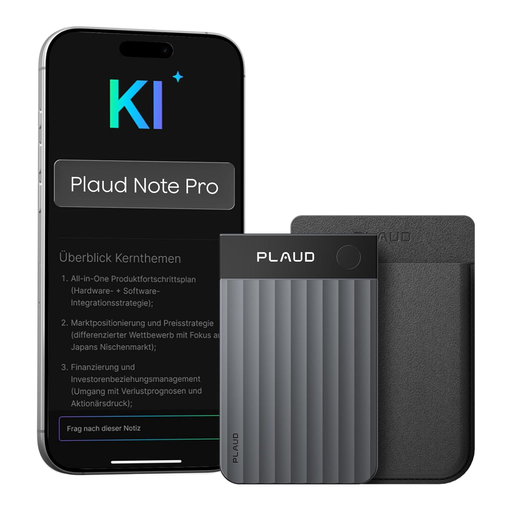
A standalone voice recorder to consider if you want to record without a traditional microphone setup.
Listed features include 64 GB of storage, four MEMS microphones and a rechargeable battery. The product title also states up to 30 hours of recording and compatibility with Android and iOS.
The title lists AI transcription and summaries as features.
 No image available
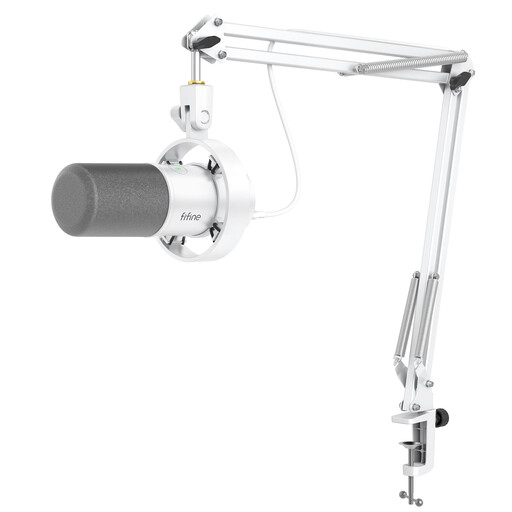
The boom arm lets you position the microphone towards the person telling the story at a fixed recording spot.
Listed features include USB and XLR connections, a gain control, mute function and headphone monitoring. According to the product description, an XLR cable isn’t included.
 No image available
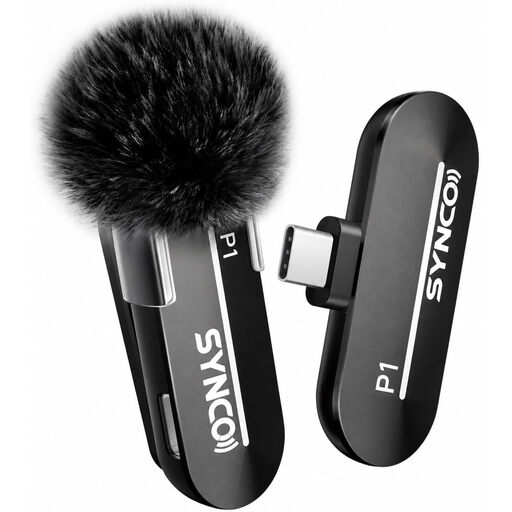
A close-worn wireless option if you move around while telling your story and use a compatible smartphone.
The product title lists a USB-C receiver. The description mentions real-time monitoring and pass-through charging.
OTG is required for the described use with Android phones; check compatibility with your device.
 No image available
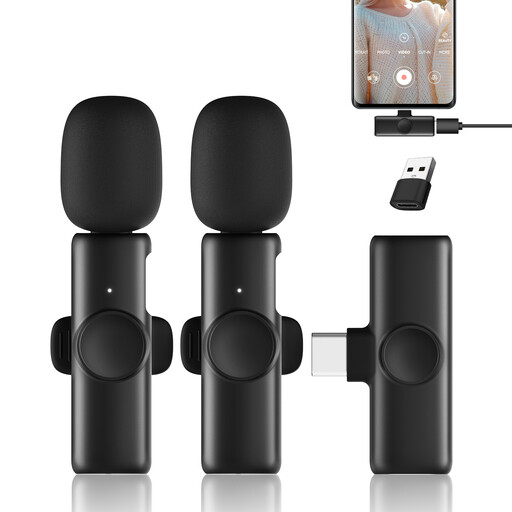
Two transmitters let you record two people on the move with a microphone close to each person.
The title says the set is for USB-C Android phones, and the microphones are described as omnidirectional. Each transmitter is listed as offering up to 8 hours of battery life.
Check that the USB-C receiver is compatible with your recording device.
 No image available
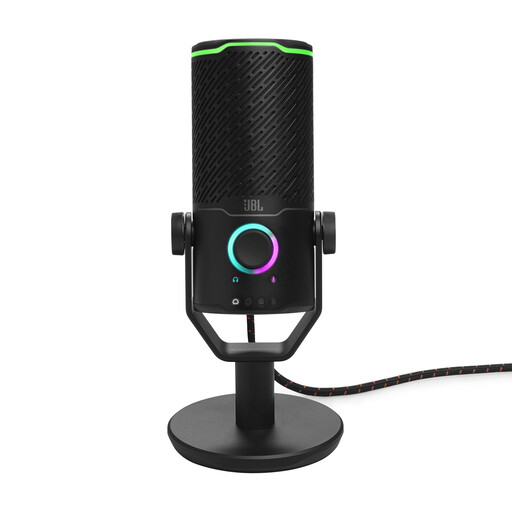
An option for a fixed recording spot if you want to choose the polar pattern and monitor the voice directly.
The product description lists cardioid and bidirectional recording, as well as mute and voice monitoring features.
According to the description, EQ and noise reduction adjustments require JBL software.
There’s no guarantee that it will work with your fan. Shure and DJI describe noise reduction features on their respective models, while Zoom lists 32-bit float recording for the H1essential. First, position the microphone to suit the voice and the fan, then listen to a test recording through headphones.
Point the sensitive front of the microphone towards the speaker and test the distance you plan to use. Sennheiser notes that positioning and distance affect the input level on the Profile USB. Check a recording with the fan switched on.
Check the storage and power supply, and listen to the input signal before you start. The Zoom H1essential guide covers inserting microSD cards and batteries, as well as monitoring the input signal.
For distance sales contracts, you generally have a right to cancel. Exceptions are set out in § 312g BGB, and § 355 BGB generally provides for a 14-day period. If a product is faulty, statutory consumer rights against the seller are separate from a voluntary manufacturer’s guarantee. The Federal Ministry of Justice and the Federal Office of Justice publish the relevant legislation, while the Verbraucherzentrale explains the difference between statutory rights and a guarantee.
Don’t record other people’s private conversations without their permission. Under § 201 StGB, making such a recording without authorisation, as well as certain ways of using or sharing it, is a criminal offence. Discuss the recording with everyone involved beforehand. The Federal Ministry of Justice and the Federal Office of Justice are responsible for the wording of the law.