What should you look for when buying?
First decide whose voice needs to be transmitted, and whether the teacher will stay at the computer or move around the room.
| What to consider |
What to check before buying |
Who should pay particular attention? |
| Capturing the group |
Check whether you also need a room or table microphone, or a suitable conference solution. Test both sides of the conversation during a practice session. |
If remote participants need to hear replies from around the table too, I’ll plan separately for capturing the group’s voices. Around 36% of consumers prioritise capturing the whole group. |
| Computer connection |
Check that the connection on the specific version works with your computer, and that the mute control is easy to reach. |
If I’m speaking from the classroom computer, the headset needs to work with the available connection and be easy to use. Around 29% of consumers prioritise transmitting their own voice from the computer. |
| Freedom of movement |
Make sure the existing PA system, receiver output and specific wireless version are compatible. |
If I’m moving around while giving instructions and need to amplify my voice, I’ll need a compatible wireless setup and PA system. Around 21% of consumers prioritise freedom of movement when amplifying their voice. |
| Comfort and awareness of the room |
Choose mono or stereo to suit the conversation in the room, and try the fit and microphone position during a lesson. |
If I’m giving instructions for a long time and want to stay aware of reactions around the table, I’ll check the fit and how much of my ears are covered. Around 14% of consumers prioritise comfort and awareness of the room. |
Brands to consider
The features below relate to the specific product ranges and versions mentioned.
Poly
The Blackwire 3300 series includes wired computer headsets in mono and stereo versions.
- HP lists a flexible microphone boom and different wearing styles for the series.
- According to HP, the 3.5 mm connection is available on the Blackwire 3315 and 3325, not across every model in the series. A headset on its own won’t capture the entire group conversation.
Logitech
The H390 is a wired option for transmitting the teacher’s voice from a computer, provided the connection and version are compatible.
- Logitech lists an adjustable microphone boom and in-line controls. The product description specifies USB-A and a 1.9 m cable.
- As different connection versions are available, check the exact model. Manufacturer sound claims aren’t the same as independent test results.
Jabra
Evolve2 30 SE is a wired UC headset range available in mono and stereo versions.
- Jabra lists two microphones for the Evolve2 30 SE. Teams certification depends on the version.
- CHIP reports that the microphone on the wireless Evolve2 65 Flex it tested struggled with high levels of background noise. This result applies to that model, not to Jabra headsets across the board.
Sennheiser
The XS Wireless 1 Headmic Set XSW 1-ME3-E combines a headworn microphone with a bodypack transmitter and stationary receiver.
- For the E version, Sennheiser lists the 821–832 MHz and 863–865 MHz frequency ranges, as well as XLR and 6.3 mm outputs on the receiver.
- This isn’t a USB headset that connects directly to a computer. Make sure the frequency version and connections are right for your setup.
Shure
The BLX14/PGA31 is a wireless headworn microphone system with a bodypack transmitter and receiver, designed for use with a compatible PA system.
- Shure offers several frequency band versions and describes the components included in the system.
- Shure notes that local requirements for use aren’t the same for every version. Check that the specific model is suitable for where you plan to use it.
Joybuy product selection
This selection includes wired and wireless computer headsets for transmitting the teacher’s voice. If remote participants also need to hear replies from around the table, you’ll need to plan separately for capturing the group’s voices.
 No image available
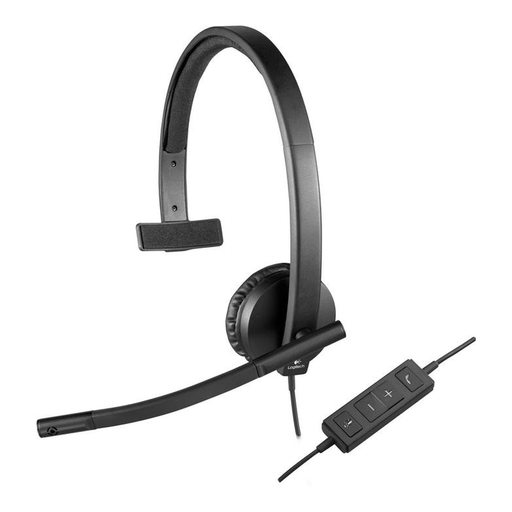
Logitech H570e mono headset
For teachers who want to transmit their voice from a computer while keeping one ear free to hear the conversation in the room.
Mono version with USB-A connection and microphone boom. In-line controls cover volume, call handling and mute. Stated weight: 85 g.
View at Joybuy
 No image available
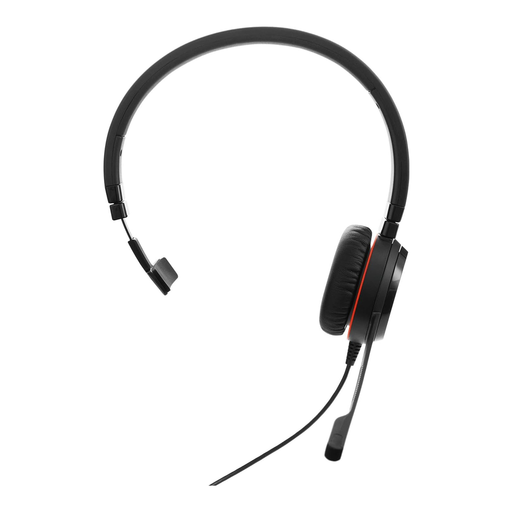
Jabra Evolve 20 SE mono headset
A wired option for teachers who use a computer with a VoIP or softphone application.
Mono version with USB-A/USB-C connection options, an integrated microphone and an external call control with mute.
View at Joybuy
 No image available
Logitech H540 stereo headset
For teachers who prefer a wired stereo headset for transmitting their voice from a computer.
USB-A connection, adjustable microphone, on-ear controls and a mute indicator. The stereo version covers both ears.
View at Joybuy
 No image available
Logitech 960 stereo headset
A wired computer option for teachers who want both ears covered by the headset while giving instructions.
USB connection, adjustable microphone boom, and volume and mute controls. The stated cable length is 2.4 m.
View at Joybuy
 No image available
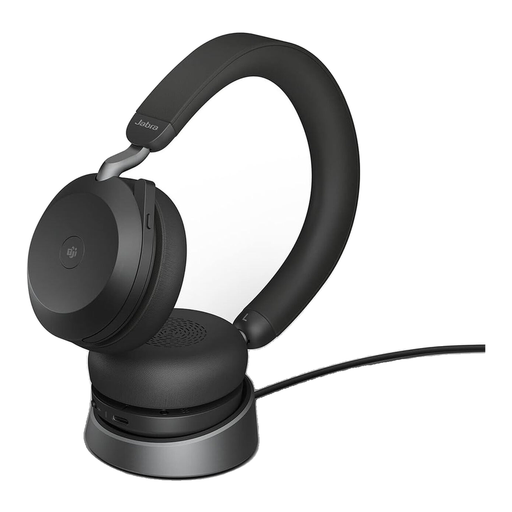
Jabra Evolve2 75 wireless stereo headset
For teachers who don’t want to be limited to a permanently connected headset cable when using a computer.
The product specifications list Bluetooth and a USB-C adapter, a foldable microphone boom, mute and a charging dock. The stereo version covers both ears.
View at Joybuy
Frequently asked questions
Is the teacher’s headset enough for remote participants to hear all the exercises?
Not as the only way of capturing the audio: the headset microphone is worn by the teacher. If you also need to transmit replies from other participants, you’ll need to capture their voices using a suitable additional audio setup and test it during a practice session.
What should I set up before the first hybrid discussion exercise?
Check that the specific connection version works with the classroom computer, select the correct input and output devices in the conferencing app, and test mute and both sides of the conversation. If you’re using a wireless headworn microphone, you’ll also need to connect the receiver and set up the rest of the audio path.
What should I consider when it comes to caring for a wireless system and ongoing costs?
For the specific version, check the power supply, the availability of compatible replacement parts and how the receiver connects. The Sennheiser XSW system described requires a stationary receiver and a suitable additional audio path. Ongoing costs depend on the equipment you choose.
What are my rights if my headset is faulty?
Where the relevant sales contract applies, you can request a remedy under § 439 BGB, either by having the fault fixed or receiving a fault-free replacement; the seller covers the necessary costs of putting things right. For standard claims relating to defects, § 438 BGB generally provides for a two-year period from delivery. The classroom scenario alone doesn’t establish whether a purchase for a school or organisation legally counts as a consumer purchase.
Do I always need to register a wireless headworn microphone in Germany?
Not in every case. According to the Federal Network Agency, wireless microphones can be used without registration or a fee under the relevant general assignment, provided the applicable parameters are met. This doesn’t mean that every frequency version is automatically permitted, so check the current conditions for the specific system.


