For a seated interviewee, a microphone positioned nearby and a suitable recording setup are a sensible starting point. Oral-History.Digital stresses that the recording technology should follow the flow of the conversation. For visits where you won’t have a computer, consider a recorder that records independently; if you need to capture two voices separately, you’ll need suitable microphones and separate inputs. Before a long session, check the power supply, storage and monitoring options, and make a test recording in the actual interview setting.
Who these solutions are for
Club historians recording a single voice
When one person is doing most of the talking, positioning the microphone within easy reach and making a test recording can help you capture clear speech without interrupting the conversation to make frequent adjustments. Oral-History.Digital at Freie Universität Berlin puts the interviewee’s account first.
Interviewers on long visits away from home
For interviews in different locations, a recorder with built-in recording can take the place of a computer. You’ll need to plan for storage, power and monitoring; Zoom and Tascam document suitable handheld recorder options.
Teams recording two important voices
If you want to record the interviewee and interviewer separately, or edit their voices differently later, you’ll need suitable microphones and a recording device with separate inputs. Zoom’s H4essential has two XLR/TRS inputs, according to the manufacturer.
What to look for when buying
For long interviews, the microphone is only part of the picture. Consider the recording setup, the interview setting, and whether you have enough power and storage.
| Priority |
What to check when buying |
Who it matters most to |
| Clear speech from the interviewee |
Microphone direction and space for a stand or mount; make a test recording from the seat you’ll use. |
If the interviewee needs to remain clear and easy to understand at the table, I want to keep the distance consistent rather than making adjustments during the conversation; around 25% of consumers put speech clarity first. |
| Long recording with minimal interruptions |
Check that the memory card and power supply are suitable for the planned recording format and duration. |
For a long session without a computer, I want to plan storage and power in advance so that running out of either doesn’t interrupt the recording; around 25% of consumers prioritise recording with as few interruptions as possible. |
| Two separate voices |
Decide whether you need separate tracks; plan your microphones, connections and recorder together. |
If the interviewer and interviewee need to be edited separately later, I’ll need a separate recording path for each; around 20% of consumers prioritise recording voices separately. |
| Recording in different locations |
Check that the device records independently and that you can position the microphone suitably; consider whether you need a headphone socket. |
When visiting different rooms, I want to record without having to set up a permanent place at a table; around 15% of consumers prioritise being able to record in different locations. |
| Simple setup and what’s included |
Check the cables, mount, headphones and recording device included with the exact model against the equipment you already have. |
If I don’t want to set up a complicated signal chain before an interview, a straightforward connection and suitable accessories matter; around 15% of consumers prioritise a simple setup. |
Common pitfalls
-
Assuming 32-bit float makes up for poor microphone positioning
The recording format alone won’t make someone’s voice clear. Distance and microphone direction still matter; Oral-History.Digital recommends letting the conversation guide your use of the technology.
Make a test recording from the planned seat and listen back with headphones.
If the recording is difficult to understand, you may need to record it again or spend time on extensive post-production.
-
Assuming a microphone is the same as a recorder that records independently
A microphone needs a suitable recording setup. An XLR handheld microphone such as the Sennheiser e 835 is different from a recorder with its own memory card; the Audio-Technica ATR2100x-USB has USB and XLR connections.
Before you buy, trace the whole signal path from the microphone to the saved recording.
Depending on the microphone you choose, you may also need a separate recorder or audio interface.
-
Taking a recorder’s stated battery life as a guarantee for every long recording
Tascam’s claim of up to 17½ hours for the DR-05XP applies under the manufacturer’s conditions, using two AA alkaline batteries. The manual also lists a microSD card and batteries as required items.
Check battery life under your planned recording conditions, and allow for spare power and storage.
You may need to have batteries and a suitable memory card ready for the intended use.
-
Confusing two people in a conversation with two separate audio tracks
Built-in stereo microphones don’t automatically give each person their own recording path. The Zoom H4essential has two inputs for external microphones, according to the manufacturer.
Before choosing a device, decide whether you’ll need to edit the interviewer and interviewee separately.
To record voices separately, you may need a second microphone, cables and a recorder with suitable inputs.
Brands to consider
Audio-Technica
The ATR2100x-USB is a dynamic handheld microphone with USB and XLR connections, suitable for a fixed recording position or one with the right connections.
- Audio-Technica lists a headphone socket, USB and XLR cables, and a desktop tripod as included.
- For close, directional recording, the speaker needs to sit in the right position in front of the microphone; it doesn’t record independently.
Zoom
Zoom offers handheld recorders with built-in microphones, as well as recorders with inputs for external microphones.
- The manufacturer lists two XLR/TRS inputs and separate tracks on the H4essential; the H1essential has a 3.5 mm input for a lavalier microphone.
- To record two nearby voices separately, you’ll need to plan for suitable external microphones and compatible connections.
Tascam
The DR-05XP is a handheld recorder that records independently, making it suitable for interviews without a computer.
- Tascam lists built-in omnidirectional stereo microphones and 32-bit float recording.
- The advertised battery life of up to 17½ hours refers to use with two AA alkaline batteries under the manufacturer’s conditions. The manual says you’ll need to provide a memory card and batteries.
RØDE
The PodMic USB is designed for a fixed speaking position, with USB-C or XLR connections.
- RØDE lists a headphone output and pop filter. The separately named PodMic USB Kit includes a desk arm and headphones.
- If you’re buying the microphone on its own, check what’s included against the accessories you’ll need for your planned setup.
Sennheiser
The e 835 is a wired dynamic XLR handheld microphone designed for speech.
- Sennheiser specifies a cardioid pickup pattern and an XLR connection.
- You’ll need to include a compatible recorder or audio interface in the signal chain.
Joybuy products
The selection includes portable voice recorders and USB and XLR desktop microphones for a fixed recording position.
 No image available
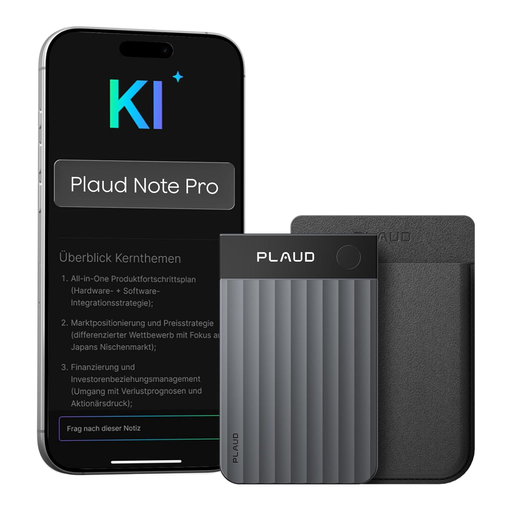
PLAUD Note Pro, 64GB
Could be worth considering for recording speech on the go if you’re looking for a voice recorder rather than a desktop microphone.
The product name lists 64 GB of storage, 30 hours of battery life and four MEMS microphones.
The product name lists Android and iOS as compatible systems.
View at Joybuy
 No image available
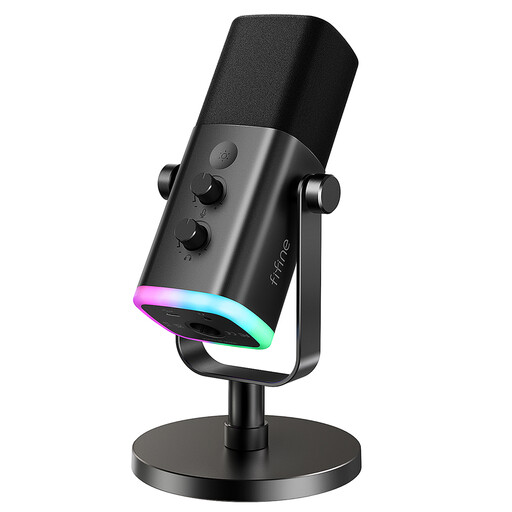
FIFINE AM8 USB/XLR Dynamic Microphone
Could suit a fixed speech-recording setup if you’re looking for a USB or XLR microphone with a desktop tripod.
The product name lists a dynamic microphone, USB/XLR, a headphone socket and a mute button.
View at Joybuy
 No image available
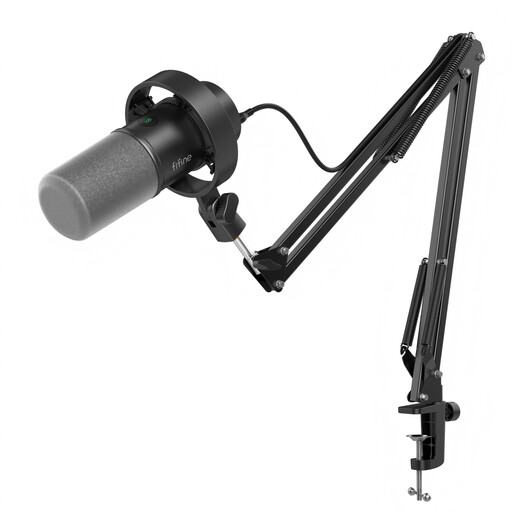
FIFINE K688CT USB/XLR Microphone Kit
Could be suitable for a fixed interview setup if you’re looking for a microphone kit with a boom arm.
The product name lists a dynamic USB/XLR microphone, a headphone socket and a mute button.
View at Joybuy
 No image available
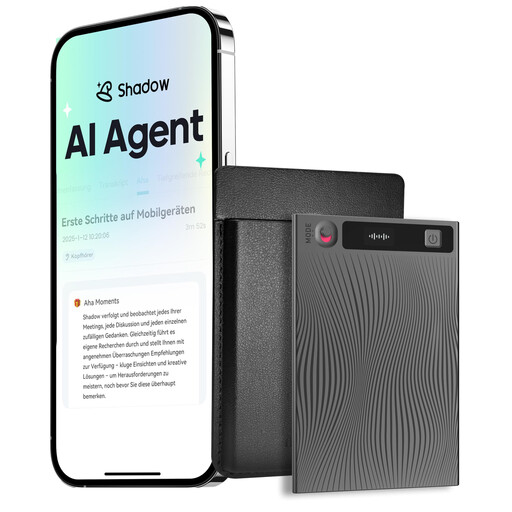
Mobvoi TicNote Standard, 64GB
Could be an option for compact voice recordings using built-in microphones.
The product name lists 64 GB of storage, a three-microphone array and 20 hours of recording.
The product name also lists Wi-Fi, Bluetooth and an OLED display.
View at Joybuy
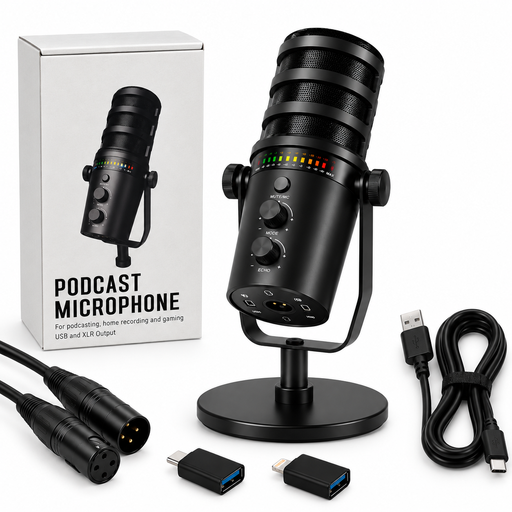 No image available
Dynamic USB/XLR Microphone Set
Could be suitable for a fixed recording position if you’re looking for a USB/XLR microphone set with a desktop stand.
The product name lists a dynamic microphone, RGB lighting, gain control, an echo function and mute.
View at Joybuy
Frequently asked questions
Can I record a long interview with a USB microphone without a computer?
Not with the USB connection alone: the ATR2100x-USB sends its signal to a connected device. For recording without a computer running, consider a recorder with its own memory card, such as the options documented by Zoom or Tascam.
What should I test before my first long interview?
Position the microphone in the actual interview setting, listen back to a test recording, and check your storage and power supply. Oral-History.Digital recommends letting the conversation guide your use of the technology.
What accessories should the club allow for when buying?
Check what’s included with the exact model against your setup: you may need a stand, headphones, cables, a memory card and batteries, depending on the device or kit. The Tascam DR-05XP manual lists a microSD card and two AA batteries; the RØDE PodMic USB Kit includes a desk arm and headphones.
Can I simply record and publish a club member’s story in Germany?
Don’t assume you have permission: § 201 StGB concerns the unauthorised recording of another person’s privately spoken words. Processing personal data requires a legal basis; where you rely on consent, the data protection authorities’ guidance says it must be freely given, informed and relate to a specific situation. Discuss the recording and any potential publication with the people involved beforehand, and don’t treat permission to record as blanket permission to publish.


