If you’ll be speaking from a fixed position, a directional microphone is a sensible starting point. Speak into it from close by and keep your position consistent: Samson, Shure and Audio-Technica all emphasise the importance of placement in their guidance. Choose USB for a straightforward connection to your computer, or XLR if your recording equipment supports it. If you move around a lot, keeping a consistent distance is harder, and no microphone can eliminate room reverberation on its own.
Which option is right for you?
Speakers in a reverberant room
If you usually read from a fixed position, look for a setup that lets you stay close to the microphone and speak into it consistently. Samson and Shure both highlight the importance of keeping the right distance from your voice.
Beginners without an audio interface
If you want to start recording directly on your computer and leave open the option of connecting via XLR later, consider a suitable USB/XLR model. Audio-Technica and Samson list these connections on specific models.
Speakers who move around a lot
If gestures and changing positions are part of your performance, you’ll need to balance freedom of movement with keeping a consistent distance from the microphone. Shure and Sennheiser offer dynamic handheld microphones for speech and stage performances.
What should you consider when buying?
Dynamic microphone with USB and XLR
Suitable if: you speak close to the microphone, want to get started on your computer and would like to keep XLR as a connection option for later.
The trade-off: Larger movements can make the distance from the capsule vary more.
Dynamic XLR handheld microphone
Suitable if: you want to hold the microphone and already have a suitable XLR recording setup.
The trade-off: To record on a computer with an XLR-only model, you’ll need a suitable analogue-to-digital converter, such as an audio interface.
USB condenser microphone
Suitable if: you need to sit further away and are happy to capture the room’s sound, or can improve the recording environment.
The trade-off: In an untreated room, placing the microphone further away isn’t a reliable way to get a dry-sounding vocal recording.
| Buying criterion |
What to check before buying |
Who is this important to? |
| Clarity in a reverberant room |
Check the polar pattern and speaking direction; use a test recording to try a consistent position close to your voice. |
If I’m speaking from a fixed position, I want my voice to be clear despite reflections in the room. Around 36% of consumers say this is their top priority. |
| Easy connection |
Check whether the model has a USB or XLR output, whether it’s compatible with your recording equipment and whether it has a headphone output. |
I want to start recording directly on my computer while keeping the option of an XLR connection later. Around 29% of consumers prioritise a straightforward connection. |
| Freedom of movement |
Decide in advance whether you’ll hold the microphone or use it on a stand; try your usual movements in a test recording. |
If gestures are part of my performance, I want to be able to move without losing track of the distance from the microphone. Around 21% of consumers prioritise this freedom of movement. |
| Recording setup and accessories |
Check your existing interface, required cables, stand and monitoring options against what’s included with the specific offer. |
I want to know what else I’ll need for computer recording before I buy. Around 14% of consumers prioritise having a complete picture of the equipment they’ll need. |
Common selection mistakes
-
Assuming “dynamic” means “no room reverberation”
A dynamic microphone won’t automatically remove reflections from the room. Distance and direction affect how directly your voice is captured.
Before buying, try a recording from the position you plan to use and check whether you can maintain a consistent, close distance.
-
Assuming an XLR-only microphone can record straight to a computer over USB
An analogue XLR output needs a suitable analogue-to-digital conversion path for computer recording.
Check the complete signal path and what’s included with the specific offer. Depending on your existing setup, you may need an audio interface or a suitably equipped mixer.
-
Taking manufacturers’ noise-processing claims as proof that room reverberation is removed
A model’s processing features don’t prove that it will eliminate reverberation in your room, or that your recording will sound right without checking the microphone’s position.
Include the room and your speaking style in a test recording, and consider additional processing features separately from microphone placement.
A guide to relevant brands
Samson
Samson says the Q2U combines a dynamic cardioid microphone for speech recording with USB and XLR connections.
- Samson lists direct headphone monitoring, a windscreen, cables and a desktop tripod as part of the Q2U package.
- The manufacturer’s description of its use in untreated rooms isn’t independent evidence of sound quality. Speaking close to the microphone and keeping your position consistent remain important.
Audio-Technica
Audio-Technica says its dynamic ATR2100x-USB offers USB and XLR connections, while the ATR2500x-USB is a USB condenser model.
- Audio-Technica lists direct headphone monitoring, cables and a desktop tripod as included with the ATR2100x-USB.
- A dynamic model needs to be positioned appropriately and as close as possible. A condenser microphone won’t automatically capture less room sound in an untreated space.
RØDE
RØDE says the PodMic USB combines a dynamic capsule with USB-C and XLR connections for speech recording.
- RØDE lists a headphone output, internal shock mounting and pop protection, as well as an additional external pop filter.
- Promoted signal processing and sound quality don’t prove that room reverberation will disappear regardless of distance and placement.
Shure
The SM58 is a dynamic XLR microphone for speech and stage performances; the MV7+ is a separate USB-C/XLR model.
- Shure lists a cardioid pickup pattern, built-in pop filter and stand adapter for the SM58.
- Shure’s promoted digital noise processing for the MV7+ isn’t proof that it completely removes room reverberation, and it doesn’t apply to the SM58.
Sennheiser
Sennheiser describes the e 835 as a dynamic XLR handheld microphone with a cardioid pickup pattern for speech and singing.
- The XLR version may suit a more active performance if you already have a compatible recording setup.
- According to its product specifications, the e 835 doesn’t have a direct USB connection for computer recording.
Joybuy products for recording speech
These Joybuy products range from dynamic USB/XLR microphones to wireless microphones and mixer sets. Check that the connections and setup suit your poetry performance and recording equipment.
 No image available
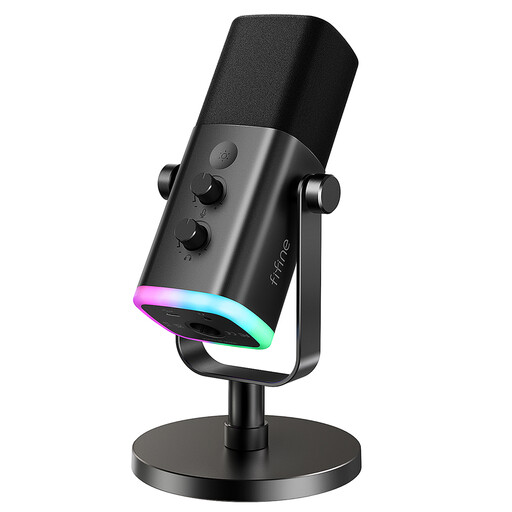
FIFINE AM8 USB/XLR
USB-C and XLR connections, along with a desktop stand, are listed for a fixed speaking position. According to the product details, the recommended speaking distance is 2 to 6 inches.
The description says a separate XLR cable is needed for the XLR connection; a USB-C cable is listed as included.
View at Joybuy
 No image available
DJI Mic Mini 2S (2 TX + 1 RX + Charging Case)
For a presentation that involves changing position, the product description lists clip or magnetic attachment and PC compatibility.
According to the product name, the package includes two transmitters, one receiver and a charging case. This doesn’t establish any particular effect on room reverberation.
View at Joybuy
 No image available
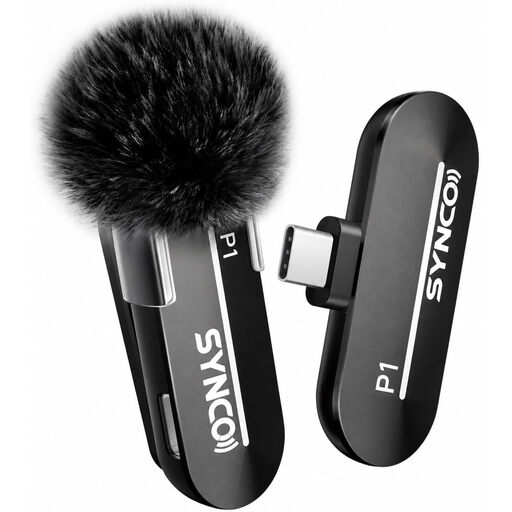
SYNCO P1XT USB-C
The lavalier design is worth considering for a recording where you’ll be moving around; according to the product details, the set is intended for compatible mobile devices.
Before buying, check that the USB-C receiver is compatible with your device. No specific effect on room reverberation is stated.
View at Joybuy
 No image available
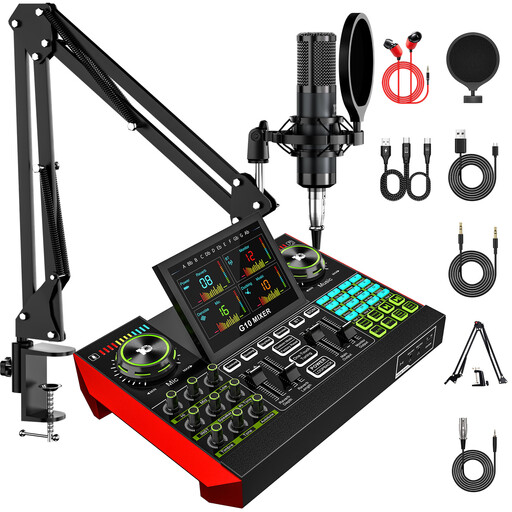
Yinkaer G10-P15-XB
According to the product details, the kit includes a 3.5 mm condenser microphone, a sound card mixer and a boom stand for computers or mobile devices.
In a reverberant room, try a test recording from your planned speaking position; the kit isn’t a substitute for treating the room.
View at Joybuy
 No image available
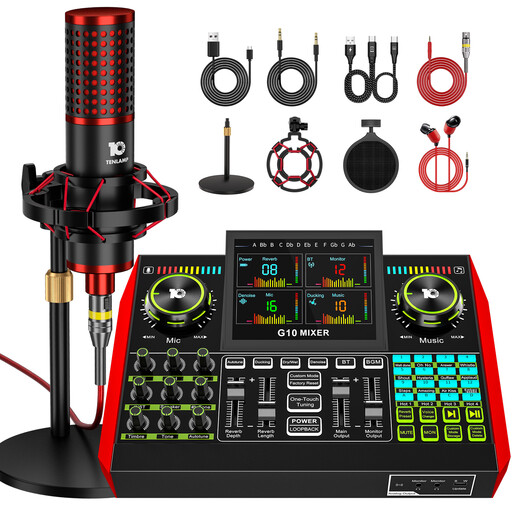
Yinkaer G10-P17
The set lists a 3.5 mm condenser microphone, an audio mixer and a desktop stand for recording with a PC or mobile device.
For speech in an untreated room, try a test recording from your planned position before settling on your setup.
View at Joybuy
Frequently asked questions
How should I position a microphone for recording poetry?
If you’re reading from one spot, start with a short, consistent distance and speak into the microphone in the intended direction. Listen through headphones to a quiet passage and a louder one; speaking very close to directional microphones can boost the bass. The right distance depends on the model and your speaking style.
Do I need an audio interface for an XLR microphone?
To record directly to a computer using an analogue XLR-only microphone, you’ll need a suitable analogue-to-digital conversion path, typically an audio interface or a suitably equipped mixer. A compatible USB microphone can handle this step within the microphone itself.
How can I deal with plosives and handling noise?
Check the pop protection and mount on the specific model, then listen to a test recording. Shure lists a built-in pop filter and stand adapter for the SM58; RØDE lists internal and additional external pop protection for the PodMic USB. These features don’t guarantee a noise-free recording.
What are my rights if I buy a new product that’s faulty?
For goods bought from a business seller in the EU, you generally have a statutory guarantee of at least two years from receipt. The EU’s Your Europe information distinguishes this right from a voluntary manufacturer’s guarantee and notes that these rules don’t apply to purchases from private individuals.
Can I record or publish someone else’s poetry reading?
In Germany, Section 201 of the German Criminal Code protects another person’s non-public spoken word from unauthorised recording and distribution. The Federal Ministry of Justice and the Federal Office of Justice publish the text of the law; the EU notes that poems may be protected by copyright. Before publishing someone else’s text, you should check that you have the necessary rights. Whether a particular performance is public, and which rights have been granted, depends on the circumstances.


