Solo storytellers in a room with a fan
You want to record a single voice clearly and can position the microphone in relation to the fan. You should also be able to speak from a consistently close position.


For recording a single narrator with a fan running, a directional dynamic microphone is a sensible starting point if you can speak close to it from a consistent position. Shure explains that a cardioid polar pattern picks up less sound from the sides and rear than from the front, but it won’t make a recording noise-free. USB is suitable for connecting directly to a compatible computer, while XLR requires the right signal chain. A condenser microphone may be a better option if you need more space from the mic and the room is quiet enough.
You want to record a single voice clearly and can position the microphone in relation to the fan. You should also be able to speak from a consistently close position.
You want to record without a separate audio interface. You’ll need a compatible USB connection and a way to monitor your voice during longer passages.
You may be planning to add an XLR signal chain later, or want more freedom to position the microphone in a quieter room. The connections and recording environment both affect which type is right for you.
A good fit if: you’re recording solo, can stay close to the microphone and want to record directly on your computer.
Things to consider: Maintaining a consistent close position takes care; USB/XLR doesn’t automatically mean you can use both outputs at the same time.
A good fit if: you already have a suitable audio interface or mixer, or are planning to add one.
Things to consider: You’ll need a suitable XLR signal chain to record on a computer. Check the microphone, cable and mount as a complete setup.
A good fit if: your recording space is quiet enough or you can’t speak right next to the microphone throughout.
Things to consider: Speaking from further away can also mean more room noise and fan noise in the recording.
| What you need | What to check when buying | Who is it important to? |
|---|---|---|
| Clear speech with a fan running | Cardioid polar pattern, space to speak from a consistent close position, and a test recording with the fan on. | If you want your narration to stand out clearly against steady background noise, positioning is key. Around 42% of consumers prioritise this. |
| Easy connection and monitoring | A compatible USB connection, a headphone output on the microphone, and any cables or stand you need. | If you want to record on a computer without a separate audio interface and hear your voice during longer passages, a straightforward setup matters. Around 25% of consumers prioritise connecting directly to a computer. |
| Freedom to speak and vary your voice | Test your planned speaking distance with both quiet and loud passages while the fan is running. | If you want to change your distance from the mic while telling a story or create different character voices, weigh the freedom to move against the noise in your room. Around 17% of consumers put freedom of movement first. |
| An XLR signal chain for later | Check your existing interface, the actual outputs and any model-specific limitations. | If you’d like to use an interface or mixer later, a suitable XLR output will matter. Around 16% of consumers prioritise this future connection option. |
A polar pattern picks up sound differently depending on the direction it comes from. Digital processing also varies by model and recording conditions, so it can’t guarantee a noise-free narration track.
Make a short test recording in your intended setup and speak from the position you plan to use, with the fan running.
The Shure SM7B is a dynamic vocal microphone with an XLR connection, not a USB microphone that you can plug in directly. You’ll need a suitable signal chain to record on a computer.
Before buying, check the connections across your whole setup, along with the cables and mounts you’ll need.
Whether you can use both connections depends on the model. RØDE says the PodMic USB doesn’t output audio over USB and XLR at the same time; Samson describes this as an option on the Q2U.
If you need two signal paths at once, check the manufacturer’s information for the exact model you’re considering.
A newer translation or adaptation of a fairy tale may also be protected by copyright.
Before publishing, check the rights for the exact version you want to record.
The ATR2100x-USB and AT2020USB-X differ in design and connectivity, so either may suit you depending on your recording space and speaking distance.
The range includes options for a USB/XLR setup, as well as microphones for a suitable analogue signal chain.
According to RØDE, the PodMic USB offers USB-C and XLR signal paths for voice recording.
The Q2U is a dynamic USB/XLR model that offers a straightforward starting point, with the option to use an XLR signal chain.
The range includes dynamic USB/XLR microphones and USB condenser microphones for different speaking distances and recording spaces.
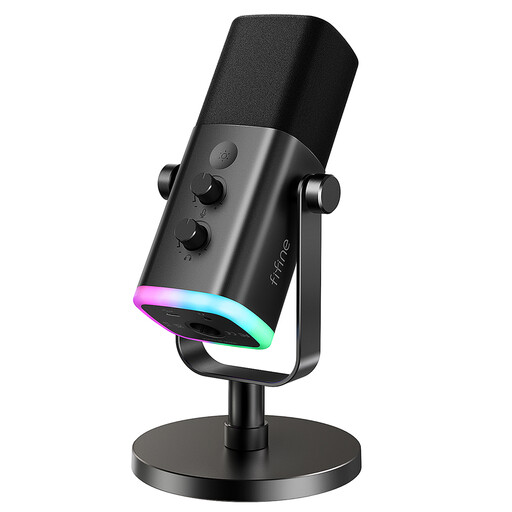 No image available
Could suit you if you can speak close to the microphone and want to choose between a direct USB connection and an XLR signal chain. According to the product description, the XLR cable isn’t included.
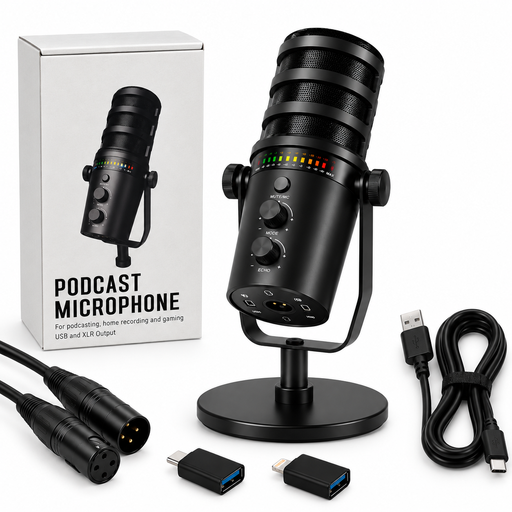 No image available
Could suit a single voice if you want to use a direct USB connection or add an XLR signal chain later. Check that the connections and accessories included work with your setup.
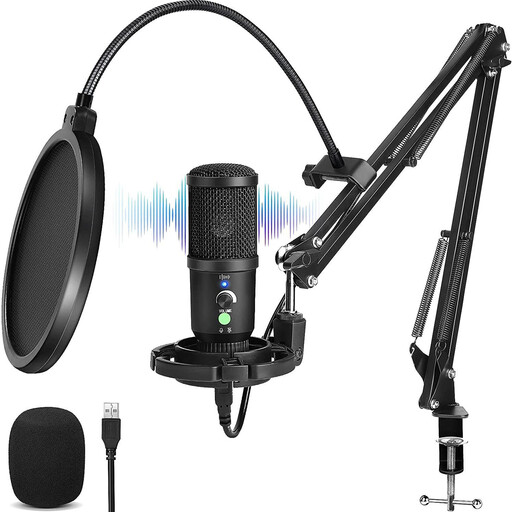 No image available
This may be a better option if you need more flexibility over your speaking distance and can keep the room quiet enough, even with the fan on. Test it with the fan running before recording a longer story.
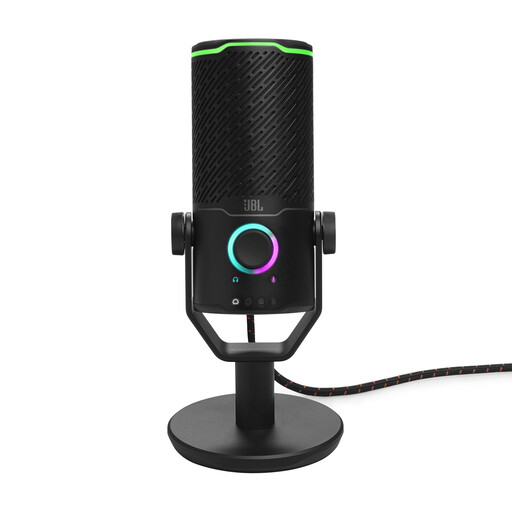 No image available
Could suit you if you’re looking for a USB condenser microphone that lets you speak from a flexible distance and your recording space is quiet enough. Remember to test it in your intended setup with the fan running.
No. A cardioid polar pattern picks up sound differently depending on the direction it comes from, but it doesn’t eliminate it. Try to speak close to the front of the microphone, point the fan away from that direction if possible, and check the result with a test recording in your actual setup.
Generally, no: you can record directly on a compatible computer. An XLR microphone, on the other hand, needs a suitable microphone input and a way to convert the signal to digital for computer recording. Check the connections on your specific setup.
Microphones with a headphone output let you monitor the input signal directly. Audio-Technica lists this feature for the ATR2100x-USB and AT2020USB-X. Before you start, test both quiet passages and louder character voices.
Your statutory rights against the seller are separate from any voluntary manufacturer’s or retailer’s guarantee. If there’s a fault, the first step is usually to request a repair or replacement. Verbraucherzentrale explains the difference between statutory rights and a guarantee.
It depends on the text you use. According to the German Patent and Trade Mark Office, copyright protection for a work in Germany generally ends 70 years after the author’s death. A newer translation or adaptation may itself be protected; under § 23 UrhG, permission is generally required to publish or exploit an adaptation of a work that is still protected. So check the rights for the exact version you want to read aloud.