Storytellers in a fixed spot
You mainly want to capture one person speaking clearly while seated, and can test the microphone’s distance and direction with the fan running.


For one person speaking while seated, a directional microphone positioned close by is a sensible starting point. The key is to make a test recording with the fan running. If two people are talking or moving around, separate microphones worn close to each person may work better, but you’ll need compatible connections and charged batteries for wireless sets. Neither a particular microphone design nor advertised noise reduction guarantees that the fan will disappear from your recording.
You mainly want to capture one person speaking clearly while seated, and can test the microphone’s distance and direction with the fan running.
You want to record the story and the questions, so both people need suitable microphone positions.
You visit family in different places and want to record without a permanent computer setup. Before you start, check the power supply, storage and room noise.
A good fit if: one person does most of the talking in the same spot and you’re recording directly to a computer.
Keep in mind: The speaker needs to stay close to the front of the microphone. Test how the fan sounds at your recording spot.
A good fit if: the storyteller and the person asking questions move around, or each needs a microphone of their own. RØDE describes the Wireless ME Dual as a set with two transmitters and one receiver.
Keep in mind: The receiver connection, recording channels, clips and battery charge all need to suit your planned conversation.
A good fit if: you want to record in different places without a computer and can find a suitable position for both speakers.
Keep in mind: The Zoom H1essential needs a microSD card inserted for recording and playback. Its built-in microphones won’t automatically remove fan noise.
A good fit if: you already have a suitable XLR recording setup and a fixed position for the speaker. Shure describes the SM7B as a dynamic speech microphone with a cardioid polar pattern.
Keep in mind: Your recorder or audio interface, along with the right accessories, needs to suit your setup.
First decide whether you’re recording one voice or several people talking. Then test the microphone in position at the actual recording location.
| What matters | What to check before buying | Who it matters to |
|---|---|---|
| Clear speech with a fan running | Check the polar pattern, how securely the microphone can be mounted and whether you can monitor through headphones. Listen to a test recording with the fan running and at a normal speaking volume. | If I’m recording one person who’s seated, I want to be able to understand them clearly despite the fan; around 36% of consumers put clarity first. |
| Capturing both voices in a conversation | Check whether the set includes two transmitters or suitable microphones, and how the receiver connects. | If I want to record a story and the questions, both people need a suitable microphone position; around 29% of consumers prioritise recording two voices. |
| A relaxed speaking position | Position the microphone to suit the storyteller and listen to a test recording while they move their head naturally. | If I’m having a longer conversation, the microphone should be comfortable to use and shouldn’t require me to sit rigidly; around 21% of consumers prioritise comfort during the conversation. |
| Recording in different places | Test the recorder, storage and power supply before you go, and listen to a recording made at the actual location. | If I’m recording family members in different places, I want to work without a fixed computer setup; around 14% of consumers prioritise recording in different locations. |
Manufacturer claims about directionality or digital processing don’t tell you how a recording will sound with your particular fan and microphone setup.
Make a short recording from the spot where you plan to sit, with the fan running, and listen back to it.
The storyteller and the person asking questions may sit at different distances from the microphone or move around in different ways.
Check both voices in a test recording. If you’re using a wireless set, make sure the version you’ve chosen includes two transmitters.
The Zoom H1essential can’t record or play back without a microSD card inserted.
Insert the card before you go and test both recording and playback.
If you don’t already have a suitable microSD card, you’ll need to factor one into your recording plans.
The ATR2100x-USB is a dynamic handheld microphone with a cardioid polar pattern and USB and XLR connections, suited to one person speaking while seated.
The PodMic USB is designed for a fixed microphone position, while the Wireless ME Dual has two transmitters for separate microphones worn close to each speaker.
The MV7+ combines USB-C and XLR for a fixed speech-recording setup; the SM7B is a separate dynamic XLR studio option.
The H1essential is a handheld recorder with built-in X/Y microphones and an additional microphone input, for recording without a fixed computer setup.
The Q2U is another dynamic USB/XLR option for recording one person speaking from close range.
This selection includes USB microphones for recording one person in a fixed position, wireless sets for separate positions in a conversation, and portable recorders for recording without a fixed computer setup.
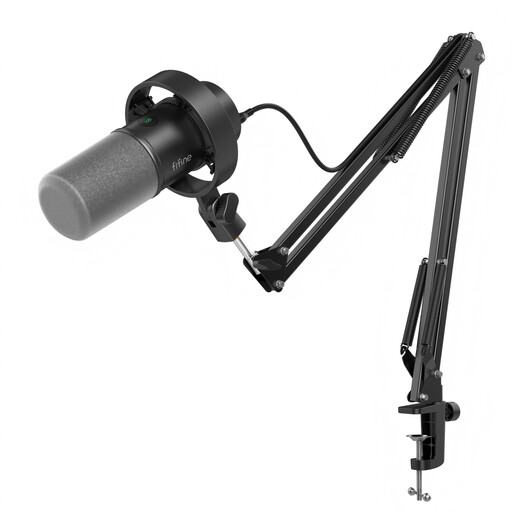 No image available
For one person speaking while seated at a fixed computer setup; the kit is described as a dynamic speech microphone with a boom arm.
Includes a mute button, headphone socket and gain control. The product listing says an XLR cable isn’t included; the function buttons only work over USB.
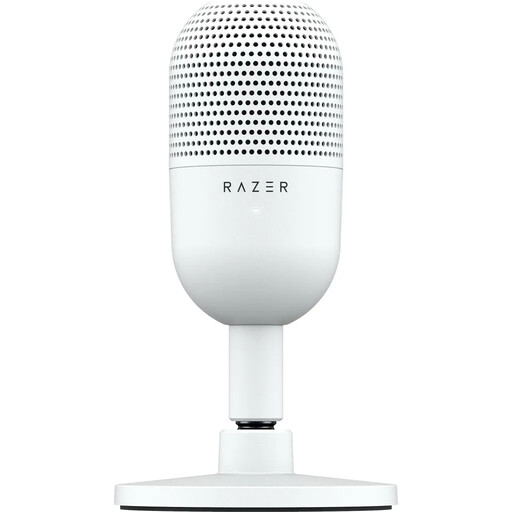 No image available
A compact desktop option for one person speaking at a PC, if a fixed microphone position suits your conversation.
Described as a USB microphone with tap-to-mute.
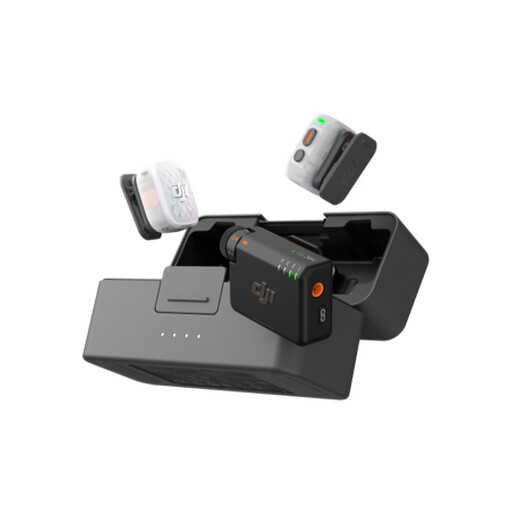 No image available
For conversations with two voices, when the storyteller and the person asking questions need separate microphone positions.
This version is listed as including two transmitters, one receiver and a charging case.
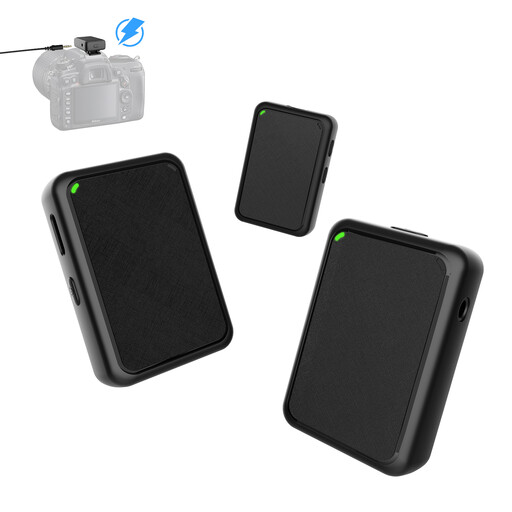 No image available
An option for interviews with two speakers, if separate microphones worn close to each person suit your conversation.
Described as a wireless lavalier microphone system with two transmitters, one receiver and USB plug-and-play.
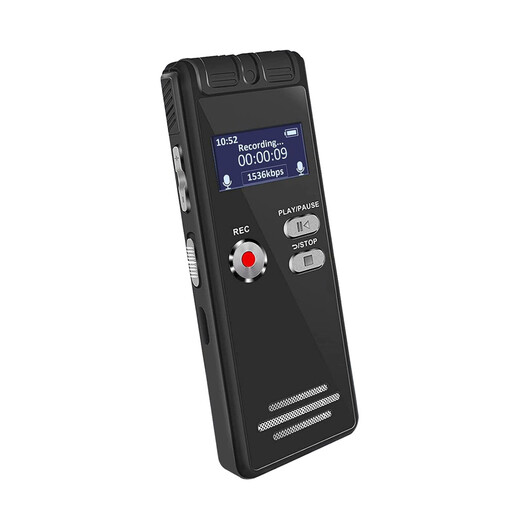 No image available
For recording in different places when you want to work without a fixed computer setup.
The product description lists two omnidirectional microphones with a 360° recording range. For recording one person with a fan running, they don’t offer directional focus on the storyteller.
No. There’s no proof of how well it will work with the fan in your room. Choose a suitable microphone position and make a short test recording to check that the voice is still clear. If possible, reduce the noise during the conversation. The Library of Congress recommends testing your recording equipment before an oral history interview.
Test the recording in the actual location and check that you can hear everyone you want to record. If you’re using a standalone recorder, check the power supply and storage too. The Zoom H1essential can’t record or play back without a microSD card inserted.
Discuss the recording with everyone taking part beforehand. Section 201 of the German Criminal Code (StGB) covers recording another person’s non-public speech without authorisation and certain uses of such a recording; being a family member does not, by itself, give you blanket permission. Discuss any later sharing or publication separately.
According to the German Federal Commissioner for Data Protection and Freedom of Information, the GDPR does not apply when individuals process personal data solely for personal or family activities. This exemption may no longer apply if you publish the recording online; the criminal law question of recording a conversation should be considered separately.
For a purchase from a business, your statutory legal guarantee is separate from any additional manufacturer’s warranty. EU consumer information states that the rights it describes for faulty goods last for at least two years from the date you receive them, and that you should contact the seller. These EU rules don’t apply in the same way to a private sale.