Course leaders heating several portions
You need a setup where the dishes fit inside and portions can be heated one after another, stirred and checked before serving.


For baked beans at a weekend cookery class, a solo microwave is usually enough, as long as the bowls you use fit inside and you can stir the portions during heating. A larger cavity or one without a turntable is mainly useful for large or square dishes; a grill or convection function is only worth having if you need it for other dishes on the course. Wattage and manufacturers’ claims about heat distribution are no substitute for stirring or checking the temperature.
You need a setup where the dishes fit inside and portions can be heated one after another, stirred and checked before serving.
If you mainly heat beans, the microwave’s dimensions, the size of your dishes and straightforward controls matter more than features you won’t use during the course.
If you’ll also be grilling or baking dishes during the course, a grill or convection function could be a useful extra reason to buy.
First, check that your course dishes fit inside and that you can stir the beans easily while they heat. Extra features are most useful if you’re preparing other dishes too.
| What you need | What to check | Who will value this? |
|---|---|---|
| Heating beans thoroughly and safely | Check the power settings and make sure the bowl is easy to reach; stir during heating and check the temperature. | If I’m heating beans in portions, I want to be able to pause, stir and check them throughout. Around 36% of consumers put thorough, safe heating first. |
| Dishes and portion sizes | Compare your bowl dimensions with the turntable or usable floor area, and measure the space where the microwave will sit. | When preparing several portions for a class, I want to use dishes that fit comfortably and can be heated one after another. Around 29% of consumers prioritise suitable dishes and multiple portions. |
| Controls and cleaning | Check the controls, how easy it is to reach inside the cavity and which parts can be removed on the model you’re considering. | Between batches, I want to operate the microwave without fiddly settings and reach inside easily. Around 21% of consumers particularly value a straightforward routine between portions. |
| Other cooking methods | Before buying, decide whether you’ll actually grill or bake during the course; consider microwave and grill power separately. | If the course menu includes dishes other than beans, an additional cooking method could be useful. Around 14% of consumers prioritise these extra cooking options. |
These features are designed for other cooking methods and won’t be used just to reheat beans.
First decide whether you’ll actually be grilling, browning or baking dishes during the cookery class.
Two microwaves with the same stated capacity may fit different bowl shapes, depending on whether they have a turntable or a flat base.
Measure your course dishes and compare their dimensions with the turntable or floor area, as well as the microwave’s external dimensions.
The Federal Institute for Risk Assessment’s recommendation applies to every part of the food. A manufacturer’s claim about heat distribution does not confirm the temperature of every individual portion.
Pause heating to stir and check the temperature, rather than relying solely on a programme or a power rating.
Solo models with a turntable, worth comparing if you use round dishes.
Worth considering when comparing a solo microwave without a turntable with a grill model.
A freestanding solo option to consider when comparing cavity size and available space.
A solo option with a larger cavity for correspondingly larger course dishes.
Worth considering if the course includes grilling or baking as well as reheating.
These are solo microwaves for heating individual portions. Compare the cavity and dish dimensions with the bowls you’ll use during the course.
 No image available
Described as a solo microwave for heating individual portions; six power levels let you choose a heat setting.
19 l cavity; 700 W; six power levels; defrost function; turntable.
 No image available
A solo microwave for heating baked beans; check that your bowl fits the cavity and turntable.
20 l cavity; 700 W; six power levels; timer up to 30 minutes; defrost function; turntable.
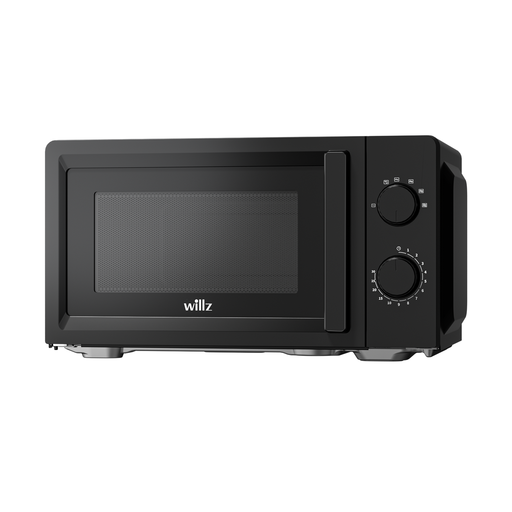 No image available
Described as a compact microwave with a 20 l capacity; check that your course dishes fit inside.
20 l capacity.
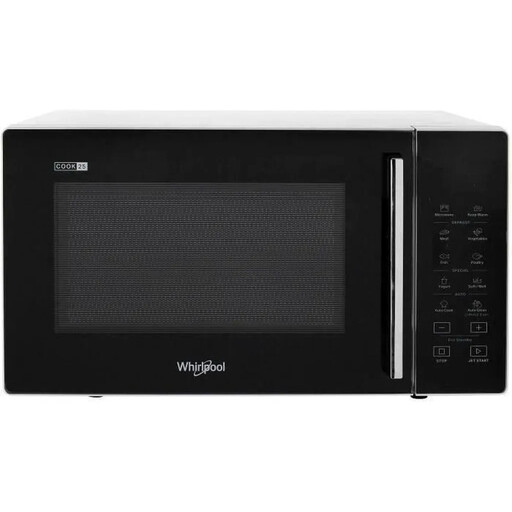 No image available
Described as a freestanding solo microwave for heating portions.
25 l; 900 W; Jet Start; keep-warm function; Auto-Clean function; programmes for yoghurt and dough.
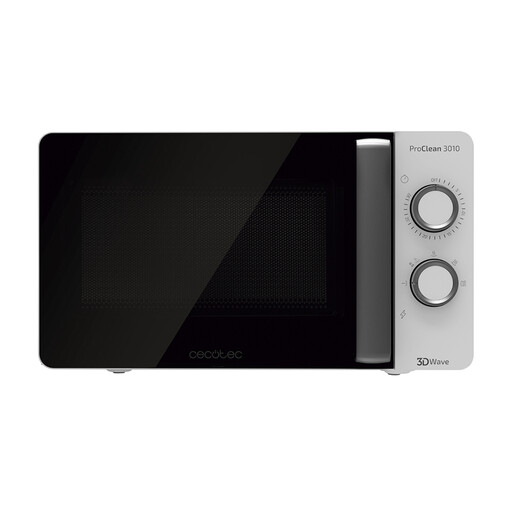 No image available
Described as a countertop model; check the available space and required clearances before setting it up.
20 l capacity; 700 W; six power levels.
Put the beans in a microwave-safe dish, heat them in short intervals and stir in between. The Federal Institute for Risk Assessment recommends heating food to at least 70 °C for two minutes throughout; check the temperature if you’re unsure. The time required depends on the portion size and the microwave, so you can’t work it out from wattage alone.
Transfer the beans to a suitable dish. The consumer advice centre recommends against heating packaged food in its packaging unless it is specifically intended for that purpose. Also check the temperature and wattage limits of the dish you’re using.
Compare the external dimensions with the space you have available and follow the instructions for the specific model. For the Severin MW 7771, the manufacturer describes a removable turntable and recommends washing it in warm soapy water, then wiping the cavity once it has cooled.
This depends on how the class is organised and how the food is provided. EU food hygiene regulations make an exception for food prepared purely for private domestic consumption; Section 4 of Germany’s Food Hygiene Regulation sets out food-handling knowledge requirements for certain activities involving perishable foods. The term ‘weekend cookery class’ alone does not tell you whether training is generally required or whether an exemption applies to this particular course.