What to look for when buying
First decide whether you’ll mainly be reheating individual portions or whether you also want to use the appliance regularly for baking and browning. Then make sure the bowl size and controls suit your kitchen and the people who’ll be using it.
| What matters |
What to look for |
Who it matters to most |
| Checking that food is heated through |
Choose suitable power settings, stir the stew and check the temperature of the food. The BfR recommends heating food to at least 70 °C for at least two minutes when reheating it. |
When I’m reheating chunky stew, I want to be able to check the pieces of meat and the centre too. Around 36% of consumers put being able to check that food is heated through first. |
| Serving individual portions |
Check that your usual containers fit inside the cooking space and can be removed one at a time. Keep pre-cooked food chilled until it is reheated, as recommended by the BfR. |
When we eat at different times, I want to be able to take individual portions out of the fridge and heat them as needed. Around 29% of consumers prioritise separate portions for staggered mealtimes. |
| Easy controls and cleaning |
Compare the controls, timer and cleaning instructions for the specific model; if needed, check whether the turntable can be removed. |
When several people use the appliance, I want to set the time and power without having to navigate complicated programmes. Around 21% of consumers prioritise ease of use for everyone. |
| Extra functions and space |
Only consider a grill and convection function if you’ll use them regularly; check the appliance’s external dimensions and usable cooking space against the available space. |
If the same appliance is also going to be used to cook other dishes, I want to make use of the extra functions in everyday cooking and have enough worktop space. Around 14% of consumers prioritise additional cooking functions. |
Joybuy products for individual portions
The following solo and countertop microwaves are worth considering for reheating individual portions. Before buying, compare the bowl dimensions, power levels and controls of each model.
 No image available
Severin MW 7580 solo microwave
A good choice if you want to heat individual portions and set the time and power manually.
19 l; 700 W; 6 power levels; inverter technology; 24.5-cm turntable; 30-minute timer.
View at Joybuy
 No image available
Heinrich’s compact solo microwave, 20 l
A compact solo option if you want to adjust the power level for different portion sizes.
20 l; 700 W; 6 power levels; 30-minute timer; 9.6-inch turntable.
View at Joybuy
 No image available
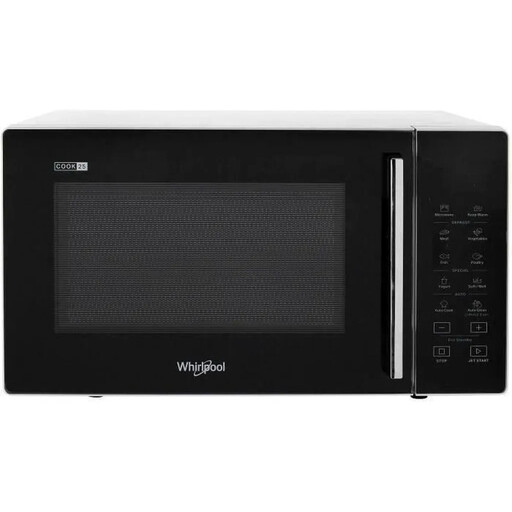
Whirlpool MWP 251 SB solo microwave
A freestanding solo microwave with a reheating function and a 27-cm turntable.
25 l; 900 W; 7 power levels; Jet-Start; Auto-Clean function.
A keep-warm function is no substitute for storing food in the fridge until it is reheated.
View at Joybuy
 No image available
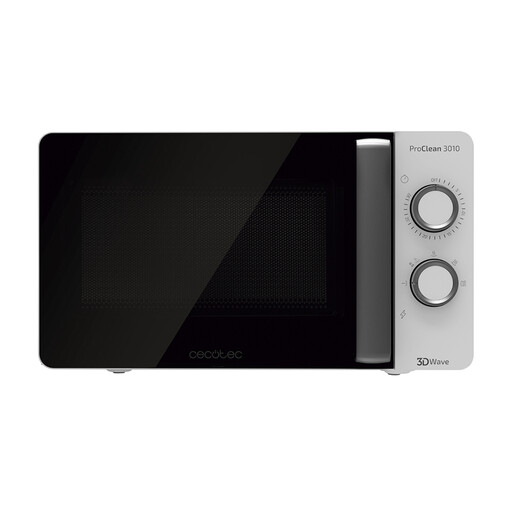
Cecotec countertop microwave, 20 l
A countertop microwave with several power levels for different portion sizes.
20 l; 700 W; 6 power levels.
View at Joybuy
 No image available
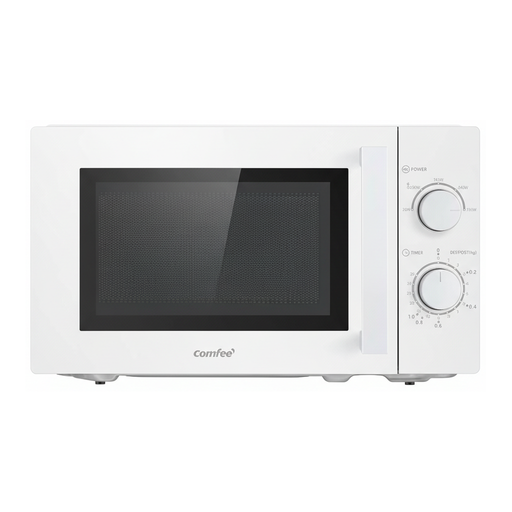
Comfee 20-litre microwave with mechanical controls
An option for shared kitchens if you’re looking for mechanical dials and several power levels.
20 l; 700 W; 5 power levels; 255-mm turntable; removable turntable.
View at Joybuy
Frequently asked questions
Can I leave the stew in the microwave until the next mealtime?
No. A microwave isn’t a substitute for refrigeration. The German Federal Institute for Risk Assessment recommends cooling pre-cooked food and keeping it in the fridge until just before it is reheated for serving.
How can I tell if a portion of beef stew has been reheated thoroughly?
Stir the portion and check the pieces of meat and the centre too. The BfR recommends heating food to at least 70 °C for at least two minutes when reheating it; if in doubt, use a suitable food thermometer. The wattage setting alone doesn’t tell you the temperature of the food.
Can I put a food storage container straight into the microwave?
Only if the container is suitable for microwave use. Follow the manufacturer’s guidance on temperature and maximum wattage, and don’t continue using damaged plastic containers. Glass or ceramic may also be suitable, provided the particular item is microwave-safe. The consumer advice centre recommends following the information provided with the container.
What should I do if my microwave door is damaged?
Ask a service centre to check any visible mechanical damage or wear to the door, and have it repaired or replaced if necessary. This is the advice of the German Federal Office for Radiation Protection; its assessment of radiation exposure applies to appliances that are in good working order.
What labels and documents should I check when buying a new appliance in Germany?
Electrical equipment covered by the 1. ProdSV must meet conformity requirements, including CE marking. The Federal Network Agency also lists correct manufacturer details and German-language instructions, including the required warnings, as points to check. A CE mark alone doesn’t tell you whether a particular appliance is right for your bowl or household.


