Batch bakers who care about consistency
You prepare dough to portion and freeze, and your recipe calls for butter that is soft but still holds its shape. King Arthur Baking describes it as easy to press, but with a little resistance.


For butter that needs to be soft but still hold its shape, a microwave with easily adjustable power and timing is generally all you need; a dedicated butter-softening programme isn’t essential. When preparing several batches of dough, look for short settings that are easy to repeat, and check the butter between intervals. Choose the capacity, grill or convection functions based on what else you plan to use the microwave for.
You prepare dough to portion and freeze, and your recipe calls for butter that is soft but still holds its shape. King Arthur Baking describes it as easy to press, but with a little resistance.
If you’re making a larger batch of dough, you’ll want to soften small portions of butter repeatedly and adjust the settings easily between intervals.
If you also use your microwave for other dishes, suitable containers, counter space and the cooking methods you actually need all matter.
| Priority | What to check when buying | Who is it important for? |
|---|---|---|
| Soft butter, not melted | Choose the power and short running times easily; make sure you can interrupt the process and check the consistency. | If I need soft butter for a dough but don’t want to melt it, checking between intervals is essential. Around 42% of consumers put butter consistency first. |
| Preparing several portions | Make it easy to set the time and power again; check that your microwave-safe butter container will fit inside. | When making a larger batch of dough, I want to be able to prepare portions of butter repeatedly using suitable settings. Around 25% of consumers prioritise preparing batches. |
| Other cooking methods | Think about the other dishes you make regularly, then check that the specific model has the functions you need for them. | If I also use the microwave for other dishes, I want to choose functions based on what I actually need. Other cooking methods are the main priority for around 17% of consumers. |
| Counter space and containers | Compare the external and internal dimensions and the installation guidance; check the container’s suitability and usage limits. | In my kitchen, both the appliance and the butter container need to fit the available space and usable interior. Counter space and containers are the top priority for around 16% of consumers. |
If a recipe calls for butter to be creamed while soft, melted butter won’t give you the same result. Bauknecht lists softening and melting as separate functions on the MW 254 SM.
First check the consistency your recipe calls for, then look at the exact name of the programme. Heat the butter in short intervals, stopping to check it in between.
A larger interior or extra functions don’t, in themselves, guarantee better results when softening butter.
Choose a grill or convection function based on other dishes you actually plan to make. Measure the space available and check that your container will fit inside the microwave.
According to Verbraucherzentrale, high-fat foods can get hotter than expected in a microwave. Not every container is suitable for every temperature or power level.
Follow the usage instructions and observe the container’s temperature or wattage limits. Don’t continue using damaged plastic containers.
The MW 254 SM is an option if you’re looking for a microwave with a dedicated butter-softening function.
The freestanding FFL020MW0 solo microwave offers dial controls and selectable power levels.
The NN-SD36 solo microwave is a larger option for households that want to use their appliance for other dishes and larger containers too.
The MW 7761 solo microwave is worth considering if you prefer a flat base and two rotary controls.
The MG 20 Ecostyle Ceramic combines a flat base with a grill function for households that will use both.
This selection includes solo microwaves with adjustable power, as well as a model with a dedicated butter-softening programme. Extra functions such as grilling, convection cooking or steaming only matter if you plan to use them for other dishes too.
 No image available
For repeated short intervals, you can set the power independently of the time using two rotary controls.
19 l capacity, 700 W, six power levels, 30-minute timer and 24.5 cm turntable.
 No image available
A solo option for small portions of butter, with power and time set using rotary controls.
20 l capacity, 700 W, six power levels, 30-minute timer and turntable.
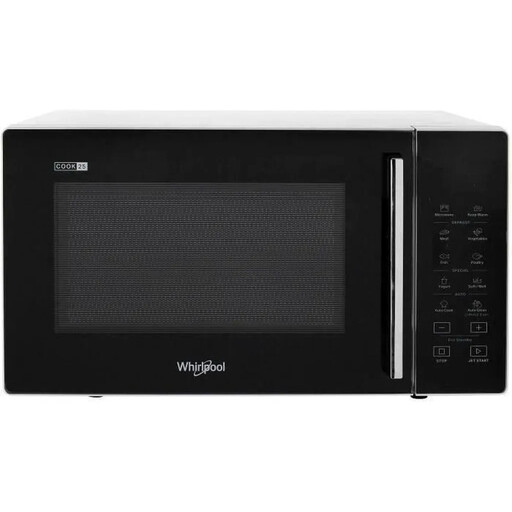 No image available
For portions of butter in a solo microwave, with selectable power levels for each interval.
25 l capacity, 900 W, seven power levels, digital timer and 27 cm turntable.
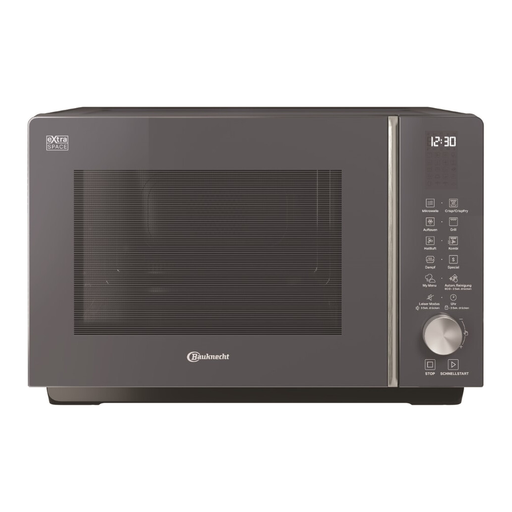 No image available
For shoppers who want a dedicated butter-softening programme and other cooking methods in one appliance.
25 l capacity, flat base with no turntable, six microwave power levels, butter softening, convection, grill and steam function; steam container included.
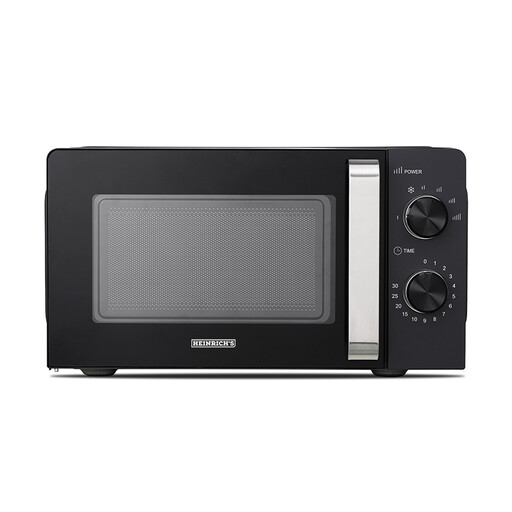 No image available
A compact solo microwave for smaller butter containers, with two rotary controls for repeated adjustments.
20 l capacity, 700 W, six power levels, timer and turntable.
If your recipe calls for soft butter, you should be able to press into it while still feeling a little resistance; it shouldn’t look greasy or runny. King Arthur Baking describes this consistency as soft but still offering a little resistance. Check the butter again after each short heating interval, as a fixed time can’t be reliably applied to different portions and appliances.
No. The microwave is for softening the butter here, not for freezing or baking the portions of dough. King Arthur Baking describes portioning and freezing dough before baking it; follow your specific recipe for storage and preparation.
Only if the container’s instructions say it’s suitable for microwave use. Observe any temperature and, where applicable, wattage limits. Verbraucherzentrale points out that high-fat foods can get unexpectedly hot and that damaged plastic containers should no longer be used.
The statutory warranty you have with the seller is separate from any voluntary guarantee, as Verbraucherzentrale explains. Electrical appliances must not be put in household waste; Umweltbundesamt lists local recycling centres as a return option. Check separately whether a particular retailer will take back your old appliance.