
Lieferung heute & morgen

Qualitätsgarantie

Willkommens-Angebote freischalten: KOSTENLOSE Lieferung | Bis zu 80 % RABATT | Kostenlose 30-Tage-JoyPlus-Testphase
App herunterladen
The search for a new microwave can quickly become overwhelming. The market offers a wealth of models that advertise numerous features and technical specifications. However, not every advertised feature is relevant for every household. False assumptions often lead to a purchase that doesn't meet your needs or is unnecessarily expensive. This guide will help you understand the essential criteria and avoid common buying pitfalls.
Common Mistakes When Buying a Microwave and How to Avoid Them:
To find the right appliance, it's crucial to know the basic parameters. Your decision should be based on objective criteria that match your household and cooking habits.
The first fundamental decision concerns the appliance's design.
The range of functions determines which preparation methods are possible.
A microwave's performance is determined by several factors.
Here are some recommendations tailored to different user profiles that help avoid the pitfalls mentioned.
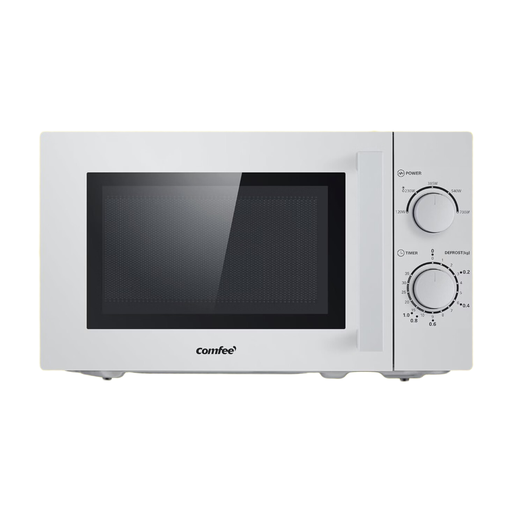
Why This Fits Their Persona: Ideal for students, offices, or small households looking for a straightforward and reliable solution for heating and defrosting. Anyone wanting to buy a microwave on a budget will find a functional, entry-level device here.
This model focuses on the essential functions of a solo microwave, thus avoiding the cost of complex extra programmes that often go unused.
Operation via two mechanical rotary dials is intuitive and durable. With a 20-litre capacity and 700 watts of power, it is well-sized for everyday tasks.
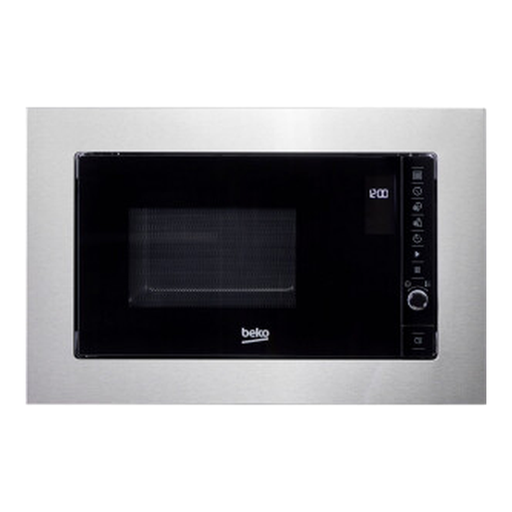
Why This Fits Their Persona: Perfect for anyone designing a modern, integrated kitchen who values a harmonious overall look. The stainless steel front blends seamlessly into common kitchen designs.
As a dedicated built-in microwave, it is designed for installation in a tall cabinet and ensures the necessary ventilation, which is a safety hazard with improperly installed freestanding units.
Offers modern convenience with 800 watts of power, 8 automatic programmes, and digital controls in a compact 20-litre format optimised for daily use.

Why This Fits Their Persona: For ambitious home cooks and families looking for a versatile appliance that does more than just reheat. This Bauknecht microwave acts as an oven supplement or replacement.
This model is a microwave without a turntable. The flatbed design maximises the usable 25-litre cooking chamber and allows the use of square dishes, bypassing the "wasted space" trap.
Combines microwave, quartz grill, convection, and steam functions. The Crisp function ensures crispy results, while the flatbed design significantly simplifies cleaning.
We've compiled a full, up-to-date list of products that fully meet these strict selection criteria and UK safety regulations.
For most everyday tasks like heating food and defrosting frozen products, 700 to 800 watts are perfectly adequate. Models with 900 watts or more shorten cooking times and are particularly advantageous in combination appliances with grill or convection functions, as they provide more power for browning and baking.
A microwave without a turntable uses technology where the microwaves are distributed by a reflector at the bottom of the cavity. The main advantage is the gain in usable space. Since nothing rotates, larger, rectangular, or oval casserole dishes can use the entire cavity floor. Additionally, cleaning is easier as no moving parts need to be removed, and the smooth bottom surface can be wiped down easily.
It is strongly advised not to place a freestanding microwave in an enclosed cabinet. These appliances require sufficient clearance on the sides, top, and especially at the back to dissipate the heat they generate. Heat build-up can damage the appliance and, in the worst case, pose a fire hazard. Only dedicated built-in microwaves with special ventilation systems are suitable for installation in a cabinet.