If you melt small amounts of chocolate
You want to control short bursts of heating and stir the chocolate in between, rather than relying on a high maximum power setting alone.


For small amounts of cooking chocolate, adjustable low power settings and short heating intervals are important: stir between intervals rather than relying on the maximum wattage alone. If people eat at different times, easy-to-use power and timer controls and a cavity that fits your dishes also matter. Melting does not replace proper tempering or keep chocolate warm for extended periods.
You want to control short bursts of heating and stir the chocolate in between, rather than relying on a high maximum power setting alone.
You heat meals one at a time and need controls and a cavity that suit your portions and dishes. Keeping food warm and reheating it are two different things.
You want a glossy coating that snaps cleanly. Tempering needs to be considered separately: simply melting chocolate does not automatically complete this step.
First, decide whether you simply want to melt chocolate as an ingredient or make a tempered coating. Then compare the power and timer controls, as well as the space available for your usual dishes.
Mains-powered appliances covered by the EU Low Voltage Directive must carry a CE marking; EUR-Lex gives the scope as 50 to 1,000 V AC. Germany's Federal Network Agency also lists a German-language instruction manual with the required usage and warning information as something to check. Confirm both for the specific listing.
| What you need | What to check before buying | Who will find it most important |
|---|---|---|
| Melting chocolate with control | Selectable low power settings, a straightforward timer for short bursts and a suitable bowl. | If I melt small amounts, I want to adjust the heating gradually and stir in between. Around 32% of consumers put controlled melting first. |
| Heating individual portions | Check that the cavity and turntable can accommodate your usual plates and containers. | If people eat at different times, I want to heat individual portions without any fuss. Around 25% of consumers prioritise heating individual portions. |
| Controls and worktop space | Check the external dimensions, required clearance and how easy it is to set the time and power. | If space is limited or I prefer simple controls, I want to be able to operate the microwave easily where it will be placed. Around 19% of consumers prioritise ease of use and space. |
| A glossy chocolate coating | Check in advance whether a separate tempering method is needed; a microwave alone does not demonstrate that the chocolate has been tempered correctly. | If I want my coating to look glossy and snap cleanly, I need to distinguish between melting and tempering. Around 12% of consumers prioritise this use. |
| Markings and instructions | Check the specific listing for the required CE marking and a German-language manual with the necessary warnings. | If I’m buying an appliance to use in Germany, I want to be able to check the markings and instructions before buying. Around 12% of consumers put these buying requirements first. |
When melting small amounts of chocolate, maximum wattage is not the only thing that matters. Short bursts of heating and stirring help you adjust the process to the amount of chocolate and the bowl you’re using.
Check which power settings you can actually select, and pause the heating to stir. High maximum power does not guarantee a particular melting result.
Melted chocolate is not automatically tempered. For a glossy finish and a crisp snap, Callebaut describes a separate pre-crystallisation process; a keep-warm function is no proof that this step has been completed.
Before choosing an appliance, decide whether you want to melt chocolate as an ingredient or make a tempered coating. Consider the steps required for each separately.
Worth considering if you want to compare lower power settings on a solo microwave with inverter technology.
Worth considering if you’re looking for a straightforward solo microwave for individual portions, with dial controls.
Worth considering if you want to use a saved setting for portions you heat regularly.
Worth considering if you’re comparing a solo microwave with Smart Inverter technology and a 23 l cavity.
Worth considering if you want to accommodate larger or square dishes, as well as small amounts of chocolate and other cooking methods.
The following Joybuy listings include solo microwaves with adjustable power settings for heating individual portions. Before buying, check the specific listing for the required CE marking and a German-language instruction manual.
 No image available
For individual portions if you prefer dial controls and several power settings.
700 W, six power settings, 19 l cavity, two dials and a 30-minute timer.
 No image available
For heating individual portions if you want to set the power manually.
700 W, six power settings, 20 l cavity, two dials, a 30-minute timer and a turntable.
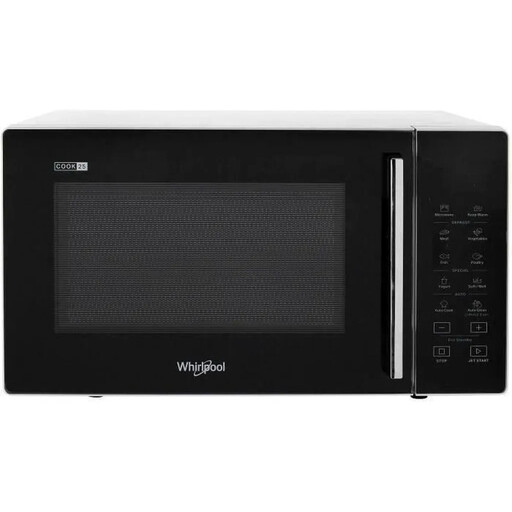 No image available
For individual dishes if you want to consider a larger cavity and a keep-warm function.
25 l cavity, 900 W, seven power settings and a 27 cm turntable. The description mentions a keep-warm function for up to four hours; this does not prove that chocolate will stay suitably liquid for an extended period.
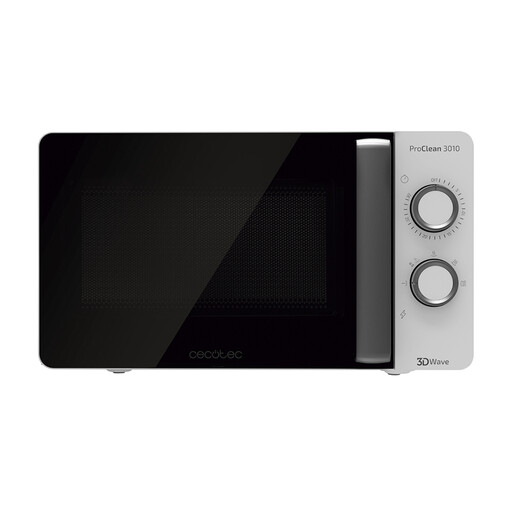 No image available
For individual meals if you want to choose from several power settings.
700 W, six power settings, 20 l cavity and a turntable. Follow the specified ventilation clearances when positioning the appliance.
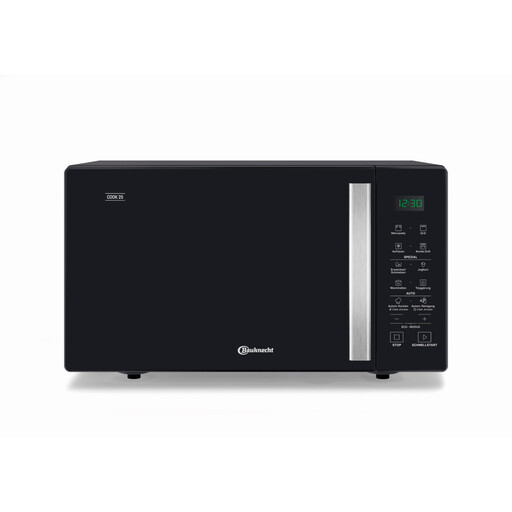 No image available
For chocolate and individual meals if you want to compare automatic programmes and a keep-warm function.
20 l cavity and 700 W. The description lists automatic programmes, a melting function for cheese and chocolate, and a keep-warm function for up to four hours.
Heat the chocolate gradually in microwave-safe cookware, stirring in between. In a specific Callebaut Chocolate Academy recipe for chocolate sauce with cream, the mixture is stirred every 20 seconds. This is not a universal timing guide for every quantity or type of chocolate.
No. Simply melting chocolate is not the same as tempering it. For a glossy finish and a crisp snap, Callebaut describes a separate pre-crystallisation process; melting may be enough when using chocolate as an ingredient.
Use a dish specifically labelled as microwave-safe and follow its temperature and usage instructions. The consumer advice centre recommends not using damaged microwave cookware, such as items with cracks.
If you can see mechanical damage or wear on the door, Germany's Federal Office for Radiation Protection recommends having the appliance checked by the customer service department.
Mains-powered electrical equipment covered by the Low Voltage Directive must carry a CE marking; EUR-Lex gives the scope as 50 to 1,000 V AC. Germany's Federal Network Agency also lists a German-language instruction manual with the required usage and warning information as something to check. Check both on the specific listing; the CE marking is not an independent quality mark.