
Lieferung heute & morgen

Qualitätsgarantie

Willkommens-Angebote freischalten: KOSTENLOSE Lieferung | Bis zu 80 % RABATT | Kostenlose 30-Tage-JoyPlus-Testphase
App herunterladen
A microwave container set should fulfil several purposes: storing leftovers, reheating meals, preparing ingredients and taking up as little space as possible in the kitchen cupboard. In practice, however, some product claims can lead to unsuitable purchases. A lid that must not be used during heating, a container without a suitable portion size or unclear temperature specifications can significantly limit everyday usability.
As a Joybuy Product Recommendation Officer, I filter the most important details from product descriptions and organise them according to typical usage scenarios. This makes it easier to compare microwave cookware objectively, without relying solely on colours, wording or claims of supposedly versatile use.
Many sets contain containers and lids made from different materials. This means a microwave-safe glass container may come with a plastic lid that the manufacturer says must not be placed in the microwave or oven. Before heating, the container, lid and steam valve must therefore be checked separately.
The instructions are particularly important. A lid may be suitable for storage, while during heating it may need to rest loosely on top or be removed completely.
A set containing several large food storage containers may appear flexible at first glance. However, 2 or 3 litres is often impractical for a single portion. Conversely, a small container may not offer enough capacity for soup, side dishes or family-sized portions.
A combination of at least two sizes is a sensible choice. Smaller microwave food storage containers are suitable for individual portions and snacks, while larger models can hold leftovers, casseroles or prepared ingredients.
A temperature specification such as up to 140 °C is a technical limit, not a recommendation to heat food for any length of time. Foods containing high levels of fat, oil, sugar or tomatoes can become particularly hot. You should therefore follow the manufacturer’s guidance on fill levels, heating times and steam release.
Another common misconception is that microwave-safe automatically means ovenproof, suitable for use on a hob or safe for direct heat.
Microwave-safe plastic containers are generally lightweight and practical for work, university or taking food on the go. Polypropylene, or PP for short, is commonly used for these products. If a food container is described as BPA-free, the relevant manufacturer’s specification should appear in the product description. For example, the LocknLock set and the LocknLock microwave steamer are described as BPA-free polypropylene.
Glass is heavier, but transparent and easy for many users to monitor when serving and storing food. Borosilicate glass is used in several Keepeat products. Even so, the same principle applies: the glass container and its lid may have different usage limits. A polypropylene lid must not be placed in the oven, microwave or dishwasher with certain models.
A microwave container with lid is particularly practical when the same container can go from the fridge straight into the microwave and then onto the table. The key factor is how the lid should be used during heating:
A steam valve helps release steam in a controlled manner. However, it does not replace the need to open the container carefully. The contents may be very hot and could escape when the lid is removed.
For meal prep, stackable shapes and clearly graduated sizes are helpful. Round containers are ideal for soups and sauces, while shallow rectangular or square shapes are better suited to casseroles and side dishes. Also check the actual external dimensions, as a container may not fit in every microwave despite having a moderate capacity.
Dishwasher-safe food storage boxes reduce the effort required for cleaning. However, check whether this specification applies to all components or only to the container. With some glass dishes, the lid is expressly excluded from dishwasher cleaning.
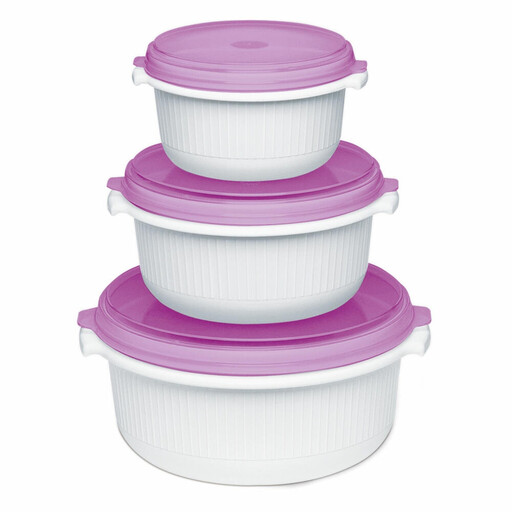
Why this product suits the profile: The 3-piece set contains 0.5, 1.0 and 1.5-litre containers, covering small portions, snacks and leftovers.
The graduated sizes prevent unnecessarily large containers being used for small portions. The push-button closure is intended for storage.
Three capacities, a stackable design and plastic that is dishwasher-safe according to the product specifications.
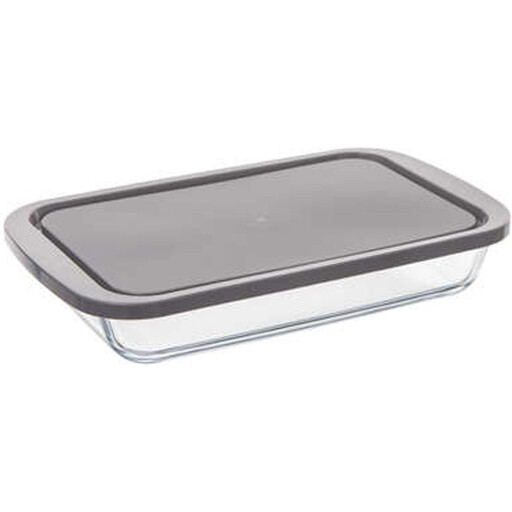
Why this product suits the profile: The rectangular borosilicate glass dish is suitable for baking, storing and reheating food.
The specifications distinguish between the glass container and the plastic lid. According to the product information, the lid is not intended for use in the microwave, oven or dishwasher.
Borosilicate glass, 1,6-litre usable capacity and, according to the product specifications, suitability of the container for the oven, microwave and dishwasher.
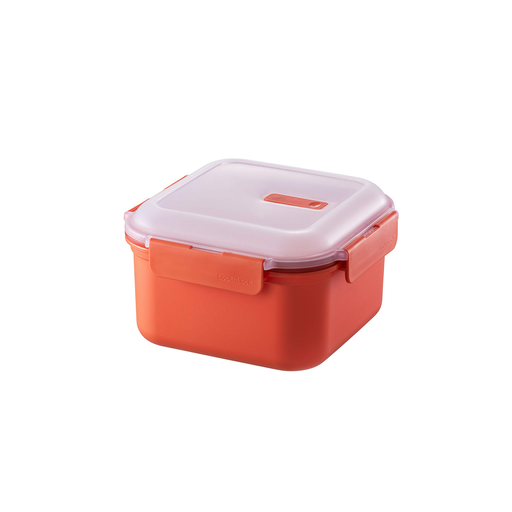
Why this product suits the profile: The 2.4-litre container is designed for households that want to prepare vegetables, fish or other foods directly in the microwave.
The integrated steam valve addresses the common problem of a completely sealed lid during heating. According to the specifications, the container is not intended for use in the oven, on the hob or with direct heat.
2,4-litre capacity, BPA-free polypropylene and specified heat resistance of up to 140 °C.
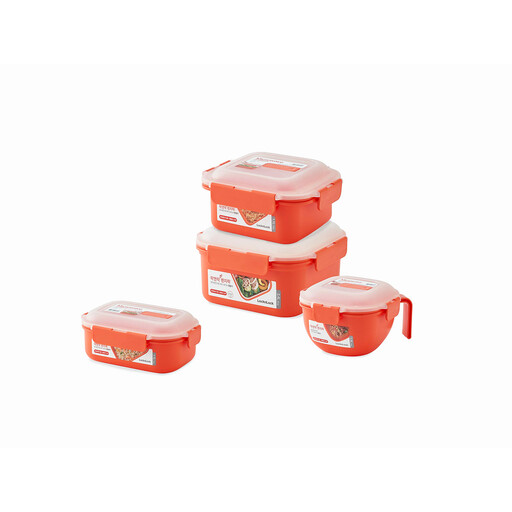
Why this product suits the profile: The set combines 1,000 ml, two 1,100 ml containers and 2,400 ml, offering a total of 5,600 ml for different meals and quantities of leftovers.
The four sizes reduce reliance on a single large container. According to the product description, each container has a steam valve in the lid.
Four containers, a stackable design and, according to the manufacturer’s specifications, suitability for the microwave and dishwasher.
Before first use, all parts should be cleaned with warm water and mild washing-up liquid. Check the containers and lids regularly for cracks, deformation or damaged seals. Damaged components should no longer be used.
These basic rules can help when heating food:
If you are looking for a casserole dish with lid, take particular care to distinguish between the dish and the lid. Glass dishes may be ovenproof, while the corresponding lid may be intended for storage only.
We have put together a complete, regularly updated list of products that fully meet these strict selection criteria and the safety regulations applicable in the EU.
No. The manufacturer’s specifications for the individual product are decisive. Some lids have a steam valve, while others may only be closed for storage. With glass dishes, the lid may be expressly excluded from microwave and oven use.
There is no universal fixed lifespan. It depends on the material, use, cleaning and exposure to heat. Replace containers if they develop cracks, discolouration or deformation, or if the lids no longer close securely. Even when products appear intact, you should follow the individual manufacturer’s instructions.
That depends on how you intend to use them. Glass is heavier, but is often suitable for serving and for combining storage, reheating and baking, provided this is expressly stated. Plastic is lighter and practical for transport and stackable kitchen container sets. For both materials, the specific approval for microwave, dishwasher and temperature use must be stated in the product description.