
Lieferung heute & morgen

Qualitätsgarantie

Willkommens-Angebote freischalten: KOSTENLOSE Lieferung | Bis zu 80 % RABATT | Kostenlose 30-Tage-JoyPlus-Testphase
App herunterladen
By the Joybuy Product Recommendation Officer, July 29, 2026
Heating meals in the microwave is an essential part of modern life. But choosing the right container determines whether your office lunch is a success or ends in a messy microwave and a warped dish. Many products promise to be microwave-safe, but their weaknesses quickly become apparent in practice: lids that no longer fit, material that discolours, or concerns about potentially harmful substances.
Before you make a purchase, you should know the three most common pitfalls that lead to frustration and unnecessary expense:
To avoid these problems, you should base your choice on objective criteria. Three parameters are of central importance.
The material is the foundation of any good microwave container. Look for products made from Polypropylene (PP), a robust and heat-resistant plastic. The BPA-free label is crucial. BPA (Bisphenol A) is an industrial chemical found in some plastics that can leach into food when heated. A BPA-free food container is therefore a fundamental requirement for safe food preparation. Additionally, the manufacturer should specify a maximum temperature resistance, ideally up to 140°C, to ensure safety even when heating soups or sauces.
A well-designed lid is just as important as the container itself. An integrated container with a steam vent is not a gimmick, but a necessity. This vent allows steam to escape in a controlled manner during heating. This not only prevents splatters and a dirty microwave but also ensures more even heating of your food. The lid should continue to fit snugly and seal tightly even after repeated use and cleaning in the dishwasher.
A good microwave container should do more than just heat food. For flexible use, such as for Meal Prep Containers, other features are important:
Based on these criteria, we have identified several products that are well-suited for specific use cases.
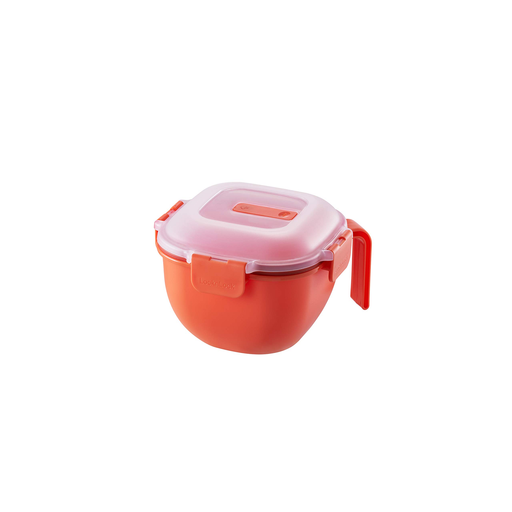
Why it's a great fit: Ideal for professionals and students looking for a reliable solution for their daily lunch. The round shape makes it an excellent microwave soup bowl, and the 1-litre capacity is perfect for a full meal.
The integrated steam vent in the lid prevents the "pressure-cooker problem," ensuring a clean, splatter-free microwave.
Made from BPA-free polypropylene, it is heat-resistant up to 140°C and dishwasher-safe for effortless cleanup.
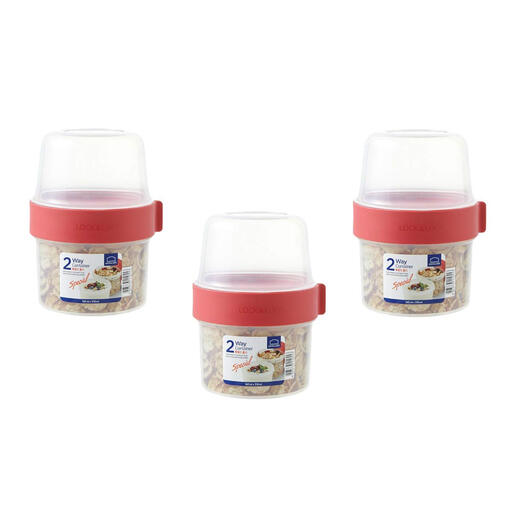
Why it's a great fit: Perfect for anyone who loves to prep their meals. Each container has two separate compartments, ideal for keeping cereal and yoghurt, salad and dressing, or snacks and dips fresh and separate until you're ready to eat. The 3-piece set provides enough for several days.
The two-compartment design prevents dry and wet ingredients from mixing and becoming soggy—a common problem with standard Meal Prep Containers.
The set is made from BPA-free PP, is microwave-safe (without the lid), and dishwasher-safe. The twist-lock lid ensures secure transport.
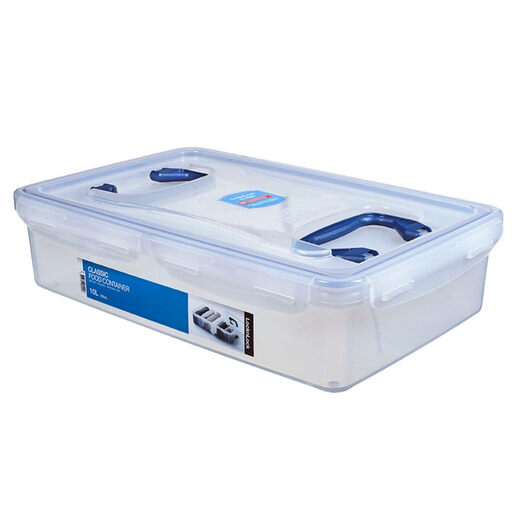
Why it's a great fit: For families or individuals who cook and store in large quantities. With a 10-litre capacity, this box offers ample space for large portions of stew, soup, or holiday leftovers. The carrying handles make it easy to transport.
This box avoids the "one-size-fits-all" trap. It is specifically designed for large volumes and is airtight and watertight thanks to its patented locking system, which preserves freshness and ensures durability.
The box is microwave-safe (up to 120°C, without lid), freezer-safe (down to -20°C), and dishwasher-safe. The LocknLock microwave cookware line is renowned for its robust locking mechanisms.
We have compiled a complete, up-to-date list of products that fully meet these strict selection criteria and safety regulations.
The lifespan depends on the material quality and frequency of use. High-quality polypropylene containers can last for several years. You should replace a container if it shows heavy discolouration, cracks, internal scratches, or a warped structure, as this can compromise its safety and seal.
Although many containers are designed for high temperatures, caution is advised with foods that have a very high fat, oil, or sugar content. These can reach spot temperatures that exceed the plastic's specification, which can lead to discolouration or even melting of the material. Most manufacturers mention this in their user instructions.
Both materials have their pros and cons. Glass is non-porous, does not absorb odours or stains, and is chemically inert. However, it is heavier and more fragile. A microwave-safe food container made from high-quality plastic is lighter, more shatter-resistant, and often more affordable. For transport to work or university, plastic is often the more practical choice due to its low weight and durability.