Heating custard in portions
If you heat delicate custard in portions, easy-to-reach power settings and a bowl that’s comfortable to stir in are important. Dr. Oetker’s pudding powder recipe calls for vigorous stirring at regular intervals.


If you mainly heat custard or pudding, look for easy-to-use power settings, a suitable container and time to stop and stir. A high maximum power setting is no substitute for stirring. Dr. Oetker’s pudding powder recipe calls for around 600 W and vigorous stirring every two minutes – these instructions apply to that recipe, not to ready-made custard in general. Grill, convection and app features are most relevant if you also plan to use them for other dishes or to organise your cooking.
If you heat delicate custard in portions, easy-to-reach power settings and a bowl that’s comfortable to stir in are important. Dr. Oetker’s pudding powder recipe calls for vigorous stirring at regular intervals.
If you’re coordinating preparation and serving, allow time for stirring breaks and for storing prepared food. The German Federal Institute for Risk Assessment points out that the risk of microbial contamination increases when prepared food is stored for longer.
If you’d like to grill or cook using convection as well as heat custard, compare the extra features with your meal plan and the space available.
Dr. Oetker’s pudding powder recipe calls for around 600 W and vigorous stirring every two minutes. These instructions are specific to the recipe; ready-made custard may require different quantities and preparation steps.
| Priority | What to look for | Who is it important to? |
|---|---|---|
| Heating custard with control | Adjustable power settings and an easy way to pause; check the container’s power limits. | When I heat custard in portions, I want to set the power appropriately and pause easily to stir. Around 36 % of consumers say controlled heating is a top buying priority. |
| Coordinating stirring breaks | Make it easy to reset the time and power; plan stirring and serving steps as part of the cooking routine. Keep prepared food chilled until serving; the German Federal Institute for Risk Assessment highlights the risks of storing food for longer. | When we cook together, I want to know who will stir during heating breaks and when we’ll serve the food. Around 29 % of consumers prioritise coordinating timings. |
| Checking the container and available space | Check that the bowl and the space needed for stirring fit inside the cooking cavity and on the turntable; measure the appliance’s exterior dimensions against the space where it will go. | If my bowl fits with enough room to stir and the appliance fits in its intended spot, it’s more practical for everyday use. Around 21 % of consumers prioritise making sure the container and available space are a good fit. |
| Using other cooking methods | Check whether you’ll need a grill or convection for other dishes you regularly cook, and whether the appliance has enough space for them. | If we want to grill or bake as well as heat custard, the extra features should suit our other cooking needs. Around 14 % of consumers prioritise additional cooking methods. |
Dr. Oetker’s pudding powder recipe calls for repeated, vigorous stirring, even at the stated power setting.
Choose a power setting that suits your recipe and plan pauses before you serve together.
A weekly planning feature doesn’t automatically mean that several people can edit the same plan together.
Check the specific sharing and control features you need separately from the cooking functions.
The Samsung app features described require Wi-Fi, a Samsung account and the app.
Bosch describes the FFL020MW0 as having rotary-knob controls. Don’t count on additional automatic programmes unless you’ve checked the exact model number.
Compare the full model number and the features that matter against the manufacturer’s documentation.
The FFL020MW0 solo model is one to consider for straightforward heating tasks.
According to Panasonic, the NN-SD38 solo model offers seven power settings and a 29 l cooking cavity.
According to Samsung, the MC32DB7746KDE1 combines microwave, grill and convection cooking in a 32-l appliance.
According to the manufacturer’s data sheet, the mechanically controlled R-200WW solo model has a 20 l cooking cavity and a power rating of 800 W.
According to Severin, the MW 7885 solo model has a 19 l cooking cavity and six power settings from 150 to 700 W.
This selection includes solo microwaves and combination models with a grill or convection cooking – depending on whether your cooking plans include other methods as well as heating custard.
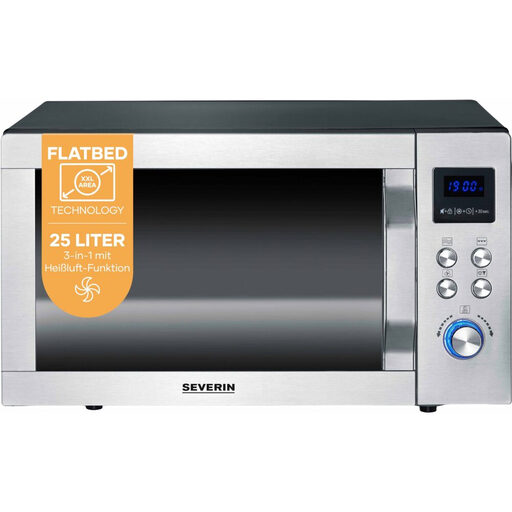 No image available
An option if you’d like to use the grill or convection cooking as well as heating.
The product name lists: microwave, grill, convection and glass base.
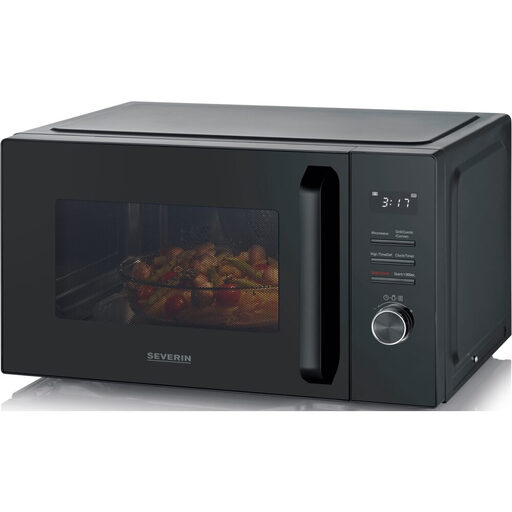 No image available
If you’d like to grill or cook using convection as well as heat custard, the product name describes a combination appliance with these cooking methods.
Microwave power listed in the product name: 1000 W.
 No image available
A solo option if you mainly want to heat food and set the power and time manually.
The product name lists: 19 l, 700 W, six power settings and a defrost function.
 No image available
A solo option if you want to heat custard and set the time and power manually.
Specifications listed in the product name: 20 l, 700 W, six power settings and a 30-minute timer.
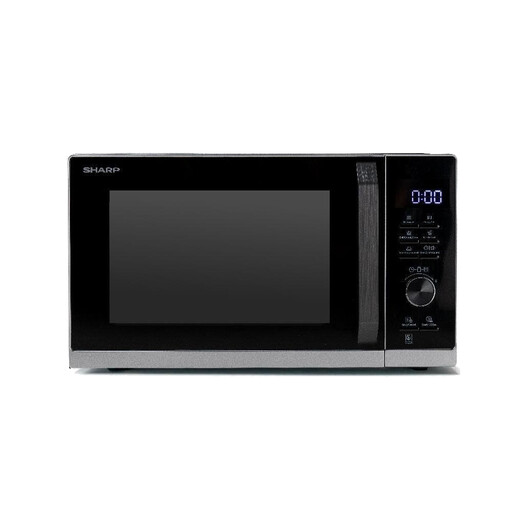 No image available
If you’d like to grill or cook using convection as well as heat food, this model combines several cooking methods.
Specifications listed in the product name: 900 W microwave power, 1000 W grill power and 2100 W convection power.
Not with Dr. Oetker’s pudding powder recipe: it calls for around 600 W and vigorous stirring every two minutes. These are recipe instructions, not a general time recommendation for ready-made custard.
Check your container and available space against the dimensions of the specific model, and follow its instruction manual. Only use suitable cookware within the stated temperature and power limits.
A schedule is no substitute for food hygiene. The German Federal Institute for Risk Assessment highlights the risks of storing prepared food for longer; the ingredients, preparation and storage conditions will determine what’s appropriate for your particular custard.
For the sale of electrical appliances, the German Federal Network Agency lists correct CE marking and German-language instructions for non-commercial users among the requirements. According to the German Federal Ministry for the Environment, old microwaves count as waste electrical and electronic equipment and must not go in household rubbish; you can take one to a local collection point.
Distinguish your statutory rights against the seller from a voluntary manufacturer’s guarantee. The Verbraucherzentrale describes a two-year statutory warranty period and, since 31 July 2026, a possible one-year extension if a repair to remedy a fault takes place within that period. Check the requirements that apply to your purchase.