Which microwave is right for you?

For heating individual portions

If you mainly heat small portions of pudding or other foods after shopping, straightforward controls and a suitable dish should be your priorities. Consumer advice centres recommend following the instructions and temperature limits for your microwave-safe dishes.

For smaller kitchens

When worktop space is limited, the appliance’s external dimensions, cavity and the size of your dish all need to work together. Compare the appliance dimensions and turntable size with the space you have and the bowl you plan to use.

For more versatile heating

If you regularly heat different portion sizes or defrost food as well as warming pudding, the cavity size, power levels and programmes may influence your choice. Focus on the features you’ll actually use.

What should you look for when buying?

Straightforward solo microwave

A good fit if: You mainly heat individual portions and prefer simple controls.

Consider: The cavity and turntable limit the size of the dishes that will fit. The features listed by Severin do not demonstrate how well the appliance heats pudding.

Solo microwave with a larger cavity

A good fit if: You regularly heat larger dishes or other foods and will use the extra power levels.

Consider: Panasonic says the NN-SD38 has a 29 l cavity and seven power levels; check that it will fit in your available space.

Solo microwave with electronic programmes

A good fit if: You often defrost food or prepare different dishes as well as reheating, and want to use programmes for these tasks.

Consider: The automatic programmes listed by Sharp do not prove that a setting will suit every custard or dish.

Priority What to check when buying Who is this particularly important to?
Heating portions with control Power levels and controls; whether you can pause heating to stir. When I heat individual portions, I want to set the power appropriately and pause to stir. Consumers who prioritise controllable portion heating are likely to make up around 36%.
Refrigeration and handling perishable foods Follow the storage instructions for the specific product; don’t treat reheating as a substitute for proper refrigeration. After shopping at the market, I want to store perishable foods properly rather than assume reheating will make up for unsuitable storage. Consumers who prioritise refrigeration and safe handling of perishable foods are likely to make up around 28%.
Available space and dish size Check the appliance’s external dimensions and compare the space available and turntable size with your dish. In a small kitchen, I want to check before buying whether the appliance and bowl will fit in the space available and on the turntable. Consumers whose main concern is space and dish size are likely to make up around 18%.
Other foods and control features Check which additional power levels or defrost programmes you’ll actually use. If I regularly heat or defrost other foods as well as pudding, I want to choose features that will be useful day to day. Consumers who prioritise versatility are likely to make up around 18%.

Common misconceptions when buying a microwave

  • A higher maximum wattage means pudding will heat better

    The rated power doesn’t tell you whether a setting will suit your dish or whether the pudding will heat evenly. The BfR recommends stirring food part-way through when heating it in a microwave.

    Compare the available power levels and allow for a pause to stir.

  • The litre capacity tells you what size bowl will fit

    Cavity capacity alone doesn’t tell you whether your bowl will fit on the turntable or whether the door can open where you plan to put the appliance.

    Measure your dish and the space available, then compare both with the dimensions of the specific model.

    If your dish doesn’t fit, you may need to use a different one.

  • Reheating makes up for storing food for too long after shopping

    The BfR notes that the risks increase when prepared foods are stored for longer. Choosing a microwave is therefore no substitute for proper storage.

    Follow the storage instructions for the specific product, whatever appliance you choose.

Brands to consider

Severin

The MW 7790 is an example of a solo microwave with mechanical controls.

  • Severin lists a 20 l capacity, 700 W and five power levels for the MW 7790.
  • Check that the cavity and turntable suit your dish and available space; these specifications are not the result of an independent pudding test.

Bosch

The freestanding FFL020MS2 is another solo model whose dimensions and controls you can compare.

  • Bosch lists a 20 l capacity, a maximum of 800 W and external dimensions of 260 × 442 × 345 mm.
  • These specifications don’t demonstrate any particular suitability for pudding or guarantee that every dish will fit.

Panasonic

The NN-SD38 is a solo alternative with a larger cavity and several power levels.

  • Panasonic lists a 29 l cavity, seven power levels and inverter technology.
  • Panasonic’s claims about even heating are manufacturer statements, not the findings of an independent pudding test.

Sharp

The R-242INW is an example of a solo microwave with electronic controls and automatic programmes.

  • Sharp’s specification sheet lists a 20 l capacity, 800 W, 11 power levels, automatic programmes and a child lock.
  • The programmes don’t prove that a setting will suit a particular custard or dish.

Samsung

The MS23B3515AS/EN is another solo model, with a 23 l cavity and defrost functions.

  • Samsung lists Quick Defrost and a ceramic enamel interior.
  • The manufacturer’s claims about cleaning and defrosting results have not been independently tested and can’t be applied to pudding.

Microwaves at Joybuy

The Joybuy microwaves listed here vary in features such as cavity size, power levels and controls. Compare the product details with your dish and the space available.

Severin MW 7580 solo microwave

Severin MW 7580 solo microwave

Six power levels and two dials give you several settings to choose from; check the cavity and turntable against your dish.

19 l cavity, 700 W, six power levels and a 24.5 cm turntable.

View at Joybuy

Heinrich's solo microwave, 20 l

Heinrich's solo microwave, 20 l

Six power levels and two dials let you choose a setting; check that the turntable is large enough for your dish.

20 l cavity, 700 W, six power levels, 24.5 cm turntable and a 30-minute timer.

View at Joybuy
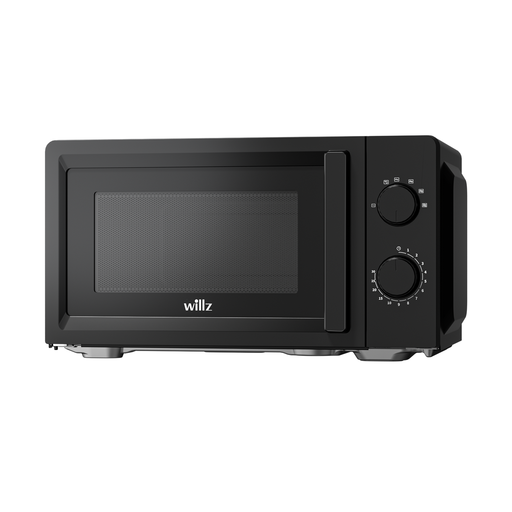
Galanz compact microwave, 20 l

Galanz compact microwave, 20 l

The product name describes a compact 20 l microwave for small spaces; compare its dimensions with your available space and dish.

20 l cavity.

View at Joybuy
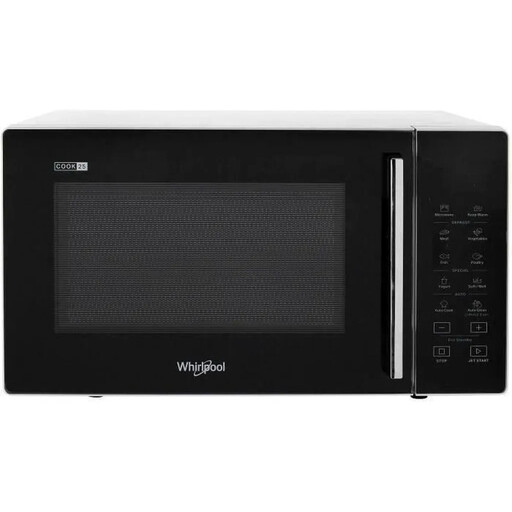
Whirlpool MWP 251 SB solo microwave

Whirlpool MWP 251 SB solo microwave

Seven power levels and a 27 cm turntable are useful details to compare with your dish and the settings you use regularly.

25 l cavity, 900 W, seven power levels and a 27 cm turntable.

View at Joybuy
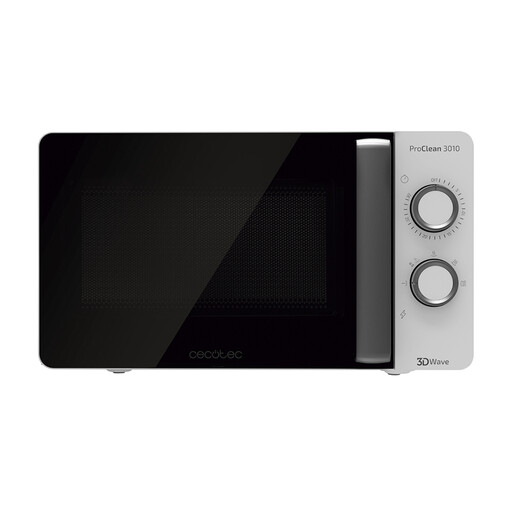
Cecotec worktop microwave, 20 l

Cecotec worktop microwave, 20 l

Choose from six power levels; allow for a pause to stir while heating.

20 l cavity, 700 W and six power levels. When positioning the appliance, leave the ventilation clearances specified in its instructions.

View at Joybuy

Frequently asked questions

What microwave feature means you don’t need to stir pudding while it heats?

None of the specifications listed here means you can skip stirring. The BfR recommends heating food evenly in the microwave and stirring it part-way through. When reheating, it recommends reaching at least 70 °C for two minutes throughout the food. Also follow the instructions for the specific pudding.

Can pudding bought at the market stay in the fridge until the following weekend?

There’s no general answer without knowing the product and its storage instructions. The BfR notes that the risks increase when prepared foods are stored for longer and recommends eating refrigerated leftovers within two to three days. Don’t treat reheating later as a substitute for proper storage.

Which dishes are suitable, and what should I consider when positioning the microwave?

Check that your dish is microwave-safe and that you stay within its temperature limits, as consumer advice centres recommend. Before buying, also check that the dish fits in the cavity and on the turntable. When positioning the appliance, follow the instructions for the specific model.

Is an energy label compulsory for microwaves in Germany?

According to the German Environment Agency, microwave ovens do not have an energy label. A microwave power rating in watts is not an energy label; instead, compare the information available for the specific appliance.

What should I know about faults and disposing of an old appliance?

Consumer advice centres distinguish between the statutory warranty and a voluntary guarantee. The German Environment Agency advises that old electrical appliances must not go in household waste; local collection points are one way to return them.