What to consider when buying
For reheating alone, the basic functions of a solo microwave are usually a good starting point. More cooking space or defrost programmes are mainly worth considering if you plan to use larger containers or frozen portions.
| What you need |
What to check before buying |
Who this matters most to |
| Reheating individual portions |
Whether your container fits, how easy it is to adjust the time and power, and whether there’s room to remove and stir the food. |
If I’m reheating individual chilled portions at different times, I want to be able to put my container in easily and adjust the settings. Around 36% of consumers say reliably reheating individual portions is their main concern. |
| Splashes and cleaning |
Whether your container and a suitable cover will fit, and how the interior and turntable can be cleaned according to the model specifications. |
If food splashes while it’s reheating, I want to clean the interior and turntable without too much effort. Around 29% of consumers put easy cleaning first. |
| Worktop space and container size |
Compare the microwave’s external dimensions and your container’s measurements with the interior and turntable. |
If my worktop space is limited, the microwave needs to fit there while still being large enough for my portion container. Around 21% of consumers prioritise the space available. |
| Defrosting frozen portions |
Check the specific model’s defrost function, whether your container is suitable, and how to heat the food thoroughly afterwards. |
If I freeze chilli in portions, I need a defrost function that suits my routine; afterwards, I’ll need to heat the portion thoroughly. Around 14% of consumers put frozen portions first. |
Joybuy products
This selection features solo microwaves for reheating individual portions, with a range of capacities and controls.
 No image available
Severin MW 7580 solo microwave
Listed as a solo microwave for reheating and defrosting; six power levels let you choose a suitable setting.
19 l capacity, 700 W and defrost function.
View at Joybuy
 No image available
Heinrich's 20-litre solo microwave
Listed for reheating and defrosting; its six power levels offer a choice of settings.
20 l capacity, 700 W and 30-minute timer.
View at Joybuy
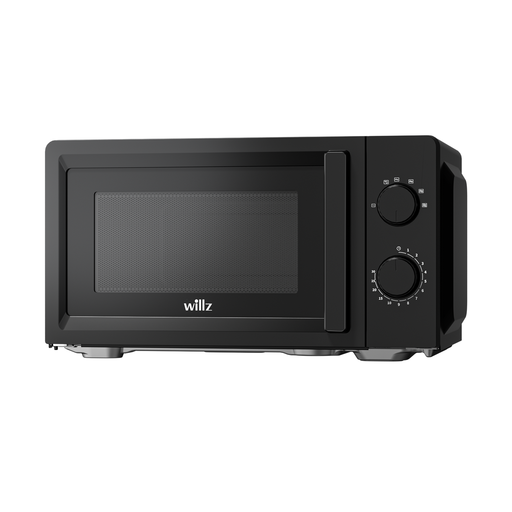 No image available
Galanz P4 compact 20-litre microwave
Described as a compact model for smaller living spaces; the product description lists reheating meals as one of its uses.
20 l capacity.
View at Joybuy
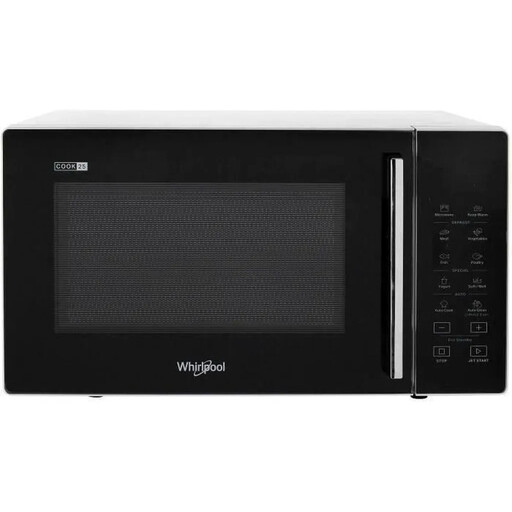 No image available
Whirlpool MWP 251 SB solo microwave
Listed as a freestanding solo microwave with a reheating function; Jet Start is an additional control option.
25 l capacity, 900 W and seven power levels.
View at Joybuy
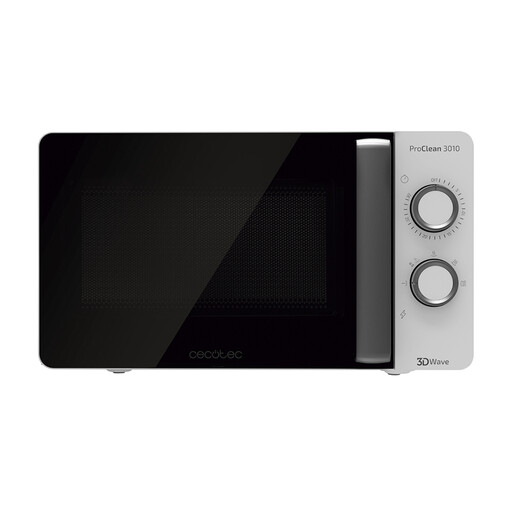 No image available
Cecotec 20-litre microwave with 700 W
Described as a worktop model for reheating meals. Its six power levels let you choose the microwave setting.
20 l capacity and 700 W.
View at Joybuy
Frequently asked questions
Should I leave the chilli warm in the pot until it’s time to eat?
For longer storage, the BfR recommends cooling hot food quickly to below 7 °C. When reheating, it recommends at least 70 °C throughout for two minutes; when keeping food hot, at least 60 °C throughout. Keep portions you don’t need yet chilled separately.
How do I reheat a chilled portion in the microwave?
Use a suitable container, cover it loosely and stir the food partway through. The Verbraucherzentrale points out that microwaves can heat food unevenly; the BfR recommends at least 70 °C throughout for two minutes. Take care when removing the hot chilli and container.
Can I use any food storage container with its lid on for reheating?
No. Check the instructions for the specific container and lid, as well as their temperature and wattage limits. The Verbraucherzentrale recommends following the stated temperature ranges for microwave-safe dishes. Cover the container loosely rather than sealing it airtight.
What do CE marking and a warranty mean when buying a microwave?
For appliances covered by the relevant harmonised EU rules, the manufacturer uses the required CE marking to indicate conformity. The European Commission says that CE is not an independent quality mark. The Verbraucherzentrale also distinguishes between statutory consumer rights and a voluntary guarantee.


