Class leader with a chocolate station
If you’re heating cooking chocolate in batches, short bursts with pauses for stirring can help. The Callebaut Chocolate Academy and Lindt Germany describe this controlled approach in their recipe instructions.


For a weekend cookery class where the main task is melting cooking chocolate, a solo microwave with easy-to-adjust power and timer settings is a natural choice. Work in short bursts and stir between them, as recommended by the Callebaut Chocolate Academy and Lindt Germany. A flat cooking surface may be worth considering if your suitable bowls won’t fit on a turntable; choose a grill or convection function only if you’ll use it for other dishes too. Before buying, check the dimensions of both your cookware and the appliance. If the class is run commercially, also check that the specific model is intended for this type of use.
If you’re heating cooking chocolate in batches, short bursts with pauses for stirring can help. The Callebaut Chocolate Academy and Lindt Germany describe this controlled approach in their recipe instructions.
If you use large or square microwave-safe bowls, compare their dimensions with the interior, door opening and, where applicable, the turntable. The consumer advice centre recommends following the usage instructions and temperature limits for each bowl.
If you regularly prepare dishes in the class that call for a grill or convection function, a combination microwave may be a good fit. Panasonic, for example, lists these functions for the NN-CD88.
First decide how you’d like to control the chocolate in short bursts. Then check that your bowls and any other dishes you’ll prepare suit the appliance’s design and functions.
| Priority | What to check before buying | Who is it important for? |
|---|---|---|
| Controlling the chocolate | Check the power settings, timer and how easily you can pause the specific appliance. | When I melt chocolate in small batches, I want to be able to pause short bursts of heating and stir in between. That’s why around 38% of consumers put control over melting first. |
| Bowl and cooking space | Compare the bowl’s dimensions with the interior, door opening and, where applicable, turntable diameter. | When using large or square bowls in class, I want to know that my own suitable bowl will fit safely. Around 23% of consumers have this as their main priority. |
| Ease of use in class | Check how the specific model is operated and read its cleaning instructions. | When several people take turns, I want the power and timer settings to be easy to understand. Around 23% of consumers prioritise straightforward operation and cleaning in a class setting. |
| Other cooking functions | Check whether your planned recipes need a grill or convection function, and whether the appliance also has a microwave-only mode. | If we regularly prepare dishes other than chocolate, I want the right extra functions for them. Around 16% of consumers put other cooking functions first. |
The Callebaut Chocolate Academy and Lindt Germany recommend heating in short bursts and stirring in between. Wattage alone doesn’t tell you how easy it will be to control your recipe in practice.
First, compare how you can set the power and timer and pause the process. Also consider the maximum power for any other dishes you plan to prepare.
A capacity in litres doesn’t tell you whether your bowl will fit through the door or sit on the turntable.
Measure your bowl, the interior and the door opening. If there’s a turntable, check its diameter too. Make sure the bowl is microwave-safe and suitable for the temperatures involved.
A dedicated programme doesn’t replace the close monitoring and stirring recommended in chocolate instructions.
Check the programme instructions for your ingredient and portion size, and keep an eye on the chocolate as it heats.
Your statutory rights apply to the seller; a manufacturer’s guarantee is a separate promise with its own terms and conditions.
Check the guarantee cover and any exclusions for the specific appliance separately, especially if you plan to use the microwave commercially.
The M 20 Ecostyle is an example of a solo microwave with a turntable and manual controls.
The MW 7761 is an example of a solo microwave with a flat base and no turntable.
The NN-SD38 is a solo microwave, while the NN-CD88 adds other cooking functions.
The freestanding FFL023MW0 is a solo option with automatic programmes.
The MH6535GIT is an example of a microwave with a grill and melt programmes.
These microwaves suit different needs, from melting cooking chocolate to preparing other dishes for your class.
 No image available
A better fit if you also want to prepare dishes using the grill or convection function in class; these extras aren’t needed for melting chocolate alone.
Described as a 3-in-1 microwave with glass base, grill and convection.
 No image available
Worth considering if you’re looking for a solo microwave with selectable power levels and your class bowl fits on the turntable.
Inverter, six power levels, 700 W and 19 l capacity; the turntable is 24.5 cm in diameter.
 No image available
A solo option to consider if you want to choose from several power levels and check on the chocolate as it melts.
Six power levels, 30-minute timer and turntable with a diameter of 9.6 inches.
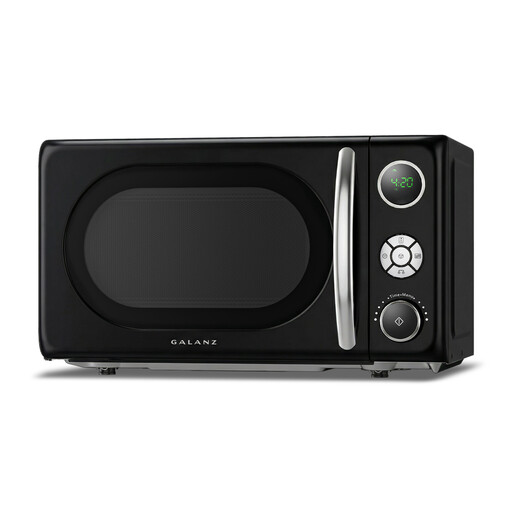 No image available
Could suit you if you’re looking for a microwave with several power levels and a digital display for setting and monitoring short bursts.
20 l, six power levels and digital display.
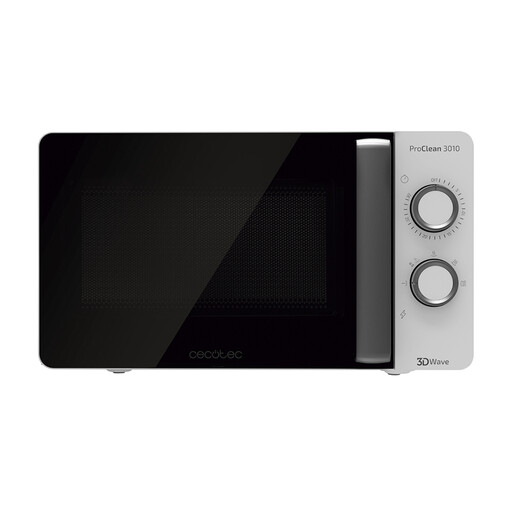 No image available
Worth considering if you want to select from several power levels for short melting bursts.
Six power levels and 20 l capacity.
Heat it in short bursts, stir between each one and keep an eye on the chocolate. The Callebaut Chocolate Academy recommends 15 to 20-second bursts for its Callets when tempering; Lindt Germany uses 30-second bursts in one recipe. These timings are for the recipes in question and aren’t a one-size-fits-all setting for every type or quantity of chocolate.
Use a container specifically labelled as microwave-safe and follow its temperature and wattage limits. The consumer advice centre lists suitable glass, ceramic and certain plastics. The German Federal Institute for Risk Assessment advises against using tableware and kitchen utensils made from melamine resin to heat food in a microwave.
No, you don’t need these extra functions for the melting method described here. They may be worth considering if you also prepare dishes in class that call for a grill or convection function.
Capacity alone won’t tell you whether your bowl will fit. Compare its dimensions with the interior and door opening. For models with a turntable, check its diameter too.
Follow the instructions on positioning and ventilation, and supervise each short heating burst. Bosch’s instructions for the FFL023M range describe household use and certain similar applications. If the class is run commercially, check that the specific model you choose is intended for that use.