Chocolate makers who want control
If you tend to melt small quantities, you’ll want to pause the process easily after short bursts of heating and stir the chocolate in between. The Callebaut Chocolate Academy describes this method for its Callets.


For cooking chocolate and small everyday portions, a solo microwave with adjustable time and power is usually enough. In a shared kitchen, straightforward controls and dimensions that suit your available space and cookware matter too. The Callebaut Chocolate Academy recommends heating its Callets in short 15–20-second bursts, stirring in between. This guidance may not apply to every type or quantity of chocolate.
If you tend to melt small quantities, you’ll want to pause the process easily after short bursts of heating and stir the chocolate in between. The Callebaut Chocolate Academy describes this method for its Callets.
When several people use the same appliance, clear time settings and easy-to-follow controls are important. Severin describes the MW 7790 as having a timer with a rotary dial; Bosch Home Appliances lists a favourite button for the FFL023MS2.
If you regularly grill or bake as well as melt chocolate, you may want to consider additional cooking modes. They aren’t needed just for melting, and should suit both your available space and the dishes you actually plan to make.
First, check how easily you can adjust the time and power for short bursts of melting. Then consider whether the controls and dimensions suit your shared kitchen routine.
A good fit if: chocolate and small everyday portions are your main priorities, and several people need controls that are easy to understand at a glance.
Consider: there are no grill or fan oven functions; a mechanical timer may be less precise when setting very short intervals.
A good fit if: you regularly heat portions of different sizes as well as melting chocolate, and would find a choice of power levels useful.
Consider: compare the internal and external dimensions. Manufacturer claims about even melting don’t guarantee results with every recipe or type of chocolate.
A good fit if: grilling or baking is also a regular part of your shared cooking routine.
Consider: these extra functions aren’t needed just for melting, so weigh them up against the space you have available.
| Buying priority | What to look for when buying | Who is this especially important to? |
|---|---|---|
| Controlled melting | Check how short an interval you can set and whether you can pause the process. Use a suitable bowl and stir between bursts. | When I melt small quantities, I want to be able to stir between short bursts; around 36% of consumers prioritise controlled melting. |
| Ease of use | Check whether the time and power are easy to set and whether you can stop the process easily. | When several people use the appliance, I need controls that are easy to understand without having to search for ages; around 29% of consumers put ease of use first. |
| Space and bowl size | Compare the external dimensions, cavity and, where relevant, turntable with your available space and bowl. Check the required clearances in the instruction manual. | When space is limited or my bowl needs to fit just right, I want to check the dimensions in advance; around 21% of consumers pay particular attention to space and cookware fit. |
| Additional cooking functions | Before choosing a combination model, consider whether you’ll regularly need a grill or fan oven for other dishes. | If I regularly bake or grill as well as making chocolate, extra functions can help with my kitchen routine; around 14% of consumers see additional cooking functions as their main buying priority. |
The Callebaut Chocolate Academy recommends short bursts and stirring for its Callets. A high maximum wattage alone doesn’t tell you how easy it is to manage this process.
Check whether you can adjust the time and power as needed and pause the process. Take the quantity, recipe and chocolate maker’s guidance into account.
Grill and fan oven settings are extra cooking modes for other tasks; you don’t need them just to melt chocolate.
Only factor in these functions if you plan to prepare the relevant dishes regularly.
Capacity alone won’t tell you whether the microwave will fit on your worktop or whether your bowl will fit inside. The Severin MW 7790 product page gives two different turntable measurements: 24.5 cm and 25.5 cm.
Measure your bowl and the space where you plan to put the appliance. If the dimensions given don’t match, check which one applies to the model you’re considering before you buy.
The MW 7790 and MW 7777 illustrate the different features available within the product ranges mentioned: a solo model and a more versatile combination model.
The freestanding FFL023MS2 solo microwave is an example of a model with a favourite button for settings you use regularly.
The NN-SD38 solo inverter microwave may suit buyers who want to heat portions of different sizes as well as melt chocolate, and make use of several power levels.
The models mentioned cater for different cooking needs: the MC32DB7746KDE1 is a combination microwave, while the MG23T5018CW was reviewed in an independent microwave test.
The models below include solo microwaves for melting and reheating, as well as combination models with additional functions. Choose based on ease of use, suitable appliance and cookware dimensions, and whether you’ll actually use the grill or fan oven.
 No image available
This solo microwave is an option if manual time settings are important for regular use in a shared kitchen.
This model is listed as having inverter technology, a 19 l capacity, 700 W power, a 24.5 cm turntable and a 30-minute timer with two rotary dials. The product information gives conflicting details about the number of power levels, so they aren’t listed here.
The product description warns against running the appliance empty or using metal containers and utensils.
 No image available
The two-dial controls described may be a good fit if several people want to adjust the time and power directly.
Features listed include a 20 l capacity, 700 W power, six power levels and a 30-minute timer. The viewing window and interior light let you keep an eye on your food while the appliance is running.
The product description warns against running the appliance empty or using metal containers and utensils.
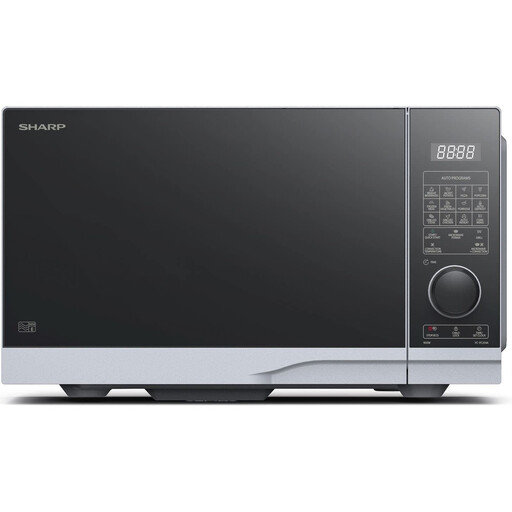 No image available
This combination model may suit you if your shared cooking routine includes grilling or using a fan oven as well as melting.
The model is listed as having a 25 l capacity, 900 W microwave power and six microwave power levels. It also has a grill and fan oven.
Use only microwave-safe cookware when using the microwave function; avoid metal containers, aluminium foil and dishes with metallic decoration.
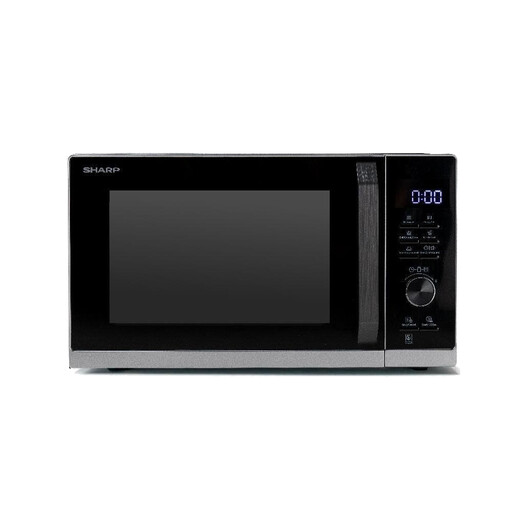 No image available
The additional cooking modes are worth considering if grilling or baking is part of your planned kitchen routine as well as melting.
Features listed include a 27 l capacity, 900 W microwave power, 1,000 W grill power, 2,100 W fan oven power, six microwave power levels and 19 programmes.
Use microwave-safe cookware when using the microwave function and avoid metal containers. The grill and fan oven functions can make surfaces hot.
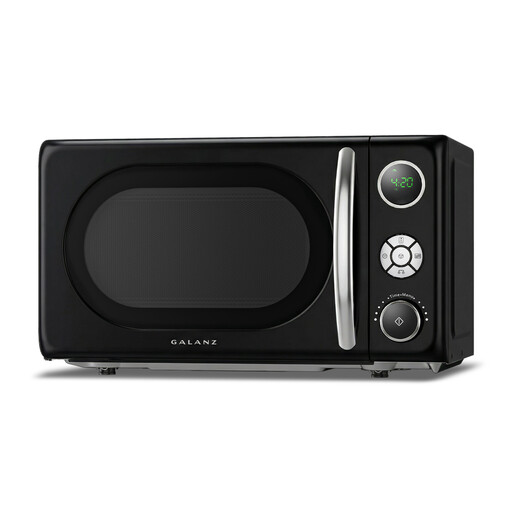 No image available
This solo microwave may suit you if a choice of power levels and a display are useful when several people share the appliance.
Features listed for the model include a 20 l capacity, 700 W power, six power levels, a digital display, and defrost and fermentation functions.
The product warning says not to run the appliance empty or use metal utensils.
Heat the chocolate in repeated short bursts, stirring in between, rather than setting a long cooking time and leaving it unattended. The Callebaut Chocolate Academy recommends 15–20-second intervals for its Callets; the timings and power settings won’t necessarily work for every type or quantity of cooking chocolate.
Use a container that the appliance and container instructions confirm is microwave-safe. Germany’s Federal Institute for Risk Assessment advises against using melamine resin tableware to heat food in a microwave. If the door is visibly damaged or worn, Germany’s Federal Office for Radiation Protection recommends having the appliance checked by the customer service team and, if necessary, repaired or replaced.
According to Germany’s Verbraucherzentrale consumer advice service, if the seller puts things right by repairing or replacing the appliance, they cover the costs of transport, labour and materials. Your statutory rights for faulty goods are against the seller; a voluntary guarantee is separate. Whether a particular fault is covered depends on the circumstances.
For new electrical appliances covered by the rules, the manufacturer uses the CE mark to declare that the product meets the relevant EU requirements. It isn’t an independent quality mark. Before buying, check that the CE marking and declaration of conformity relate to the specific product on offer. Old electrical appliances shouldn’t go in household rubbish; Germany’s Environment Agency lists recycling centres and suitable take-back points at retailers among the available options.