For a single portion
You want to cook frozen peas easily in a covered bowl and don’t necessarily need your microwave to have its own steam generator.


For a single portion of peas in a covered, microwave-safe bowl, a solo microwave is generally all you need; there’s no need for a built-in steam function. EAT SMARTER recommends cooking frozen peas with a little water in a covered dish, but the time and power setting given aren’t a guarantee that will apply to every microwave. What matters is using suitable cookware, making sure there’s enough room for the bowl and lid, and having power and cooking time that are easy to adjust. An inverter or a dedicated steam generator is more worth considering if you’ll regularly use its extra functions for other dishes.
You want to cook frozen peas easily in a covered bowl and don’t necessarily need your microwave to have its own steam generator.
You’ll need to consider the space available and the microwave’s external dimensions, as well as the size of your bowl and lid. The stated capacity alone won’t tell you whether the dish will fit inside.
You want to heat, defrost or steam other foods as well as peas, and are weighing up which extra functions you’ll actually use.
The percentages below relate to consumers choosing a microwave for a single portion of peas. Each person is assigned to their main buying priority.
| Buying priority | What to check | Who is this important for? |
|---|---|---|
| Suitable cookware | Check the bowl and lid separately for microwave suitability and any temperature or wattage limits. | If I’m using a bowl with a lid, I want to know that both are suitable for microwave use and that I’m staying within their limits. Around 31% of consumers put cookware and safe use first. |
| Fit of the dish and appliance | Measure the bowl and lid and compare them with the internal dimensions; also check the space available and the appliance’s external dimensions. | If my worktop space is limited, I want to know whether the covered bowl will fit inside the microwave and whether the appliance will fit in its intended spot. Around 31% of consumers prioritise this fit. |
| Adjusting power and cooking time | Compare the controls and power settings of the specific model; don’t assume cooking times will be the same for different quantities. | For small portions I cook regularly, I want to be able to adjust the power and cooking time easily. Around 23% of consumers prioritise this straightforward control. |
| Extra functions | Think about what else you cook; distinguish between steaming in a covered dish and using a dedicated steam generator. | If I regularly cook other foods as well as peas, I only want to choose extra functions that I’ll actually use. Around 15% of consumers put other cooking tasks first. |
The bowl and lid may have different temperature or wattage limits.
Check the usage instructions for both parts separately before using them together.
The capacity in litres doesn’t directly indicate how much room there is for a dish with its lid. You’ll also need to make sure the appliance fits in its intended spot.
Compare your bowl’s dimensions with the internal dimensions, and the model’s external dimensions with the space available. Also follow the appliance’s installation instructions.
The bowl method involves cooking peas in a covered, microwave-safe dish. An appliance with its own steam generator uses an additional function.
Choose a dedicated steam generator if you want to use it regularly for other dishes, not just for a single portion of peas.
The FFL020MW0 is an example of a freestanding solo microwave with a stated capacity of 20 l and adjustable power.
The MW 7770 is a solo model for consumers who prefer dial controls.
The MS23K3513AW/EN is a solo alternative with a stated capacity of 23 l and automatic programmes for other kitchen tasks.
The MS2595CIS is an inverter solo microwave for consumers who want to heat or defrost other foods as well as prepare small portions.
The NN-DS59NMETG is a combination microwave with a dedicated steam generator, for consumers who regularly want to prepare other steamed dishes.
The Joybuy products below are microwaves for preparing small portions in a covered bowl. Before buying, check that the bowl and lid will fit inside and see which power settings the appliance offers.
 No image available
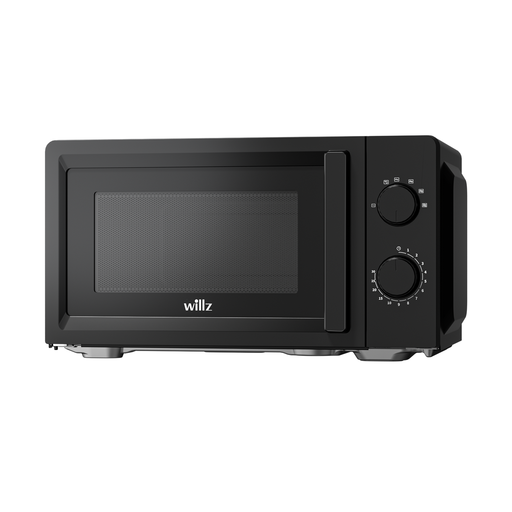
A solo microwave is suitable for the bowl method; check that your bowl and lid will fit inside.
The product title lists 700 W, six power levels, a 30-minute timer and a defrost function.
Only use the bowl and lid within their respective microwave, temperature and wattage limits.
 No image available
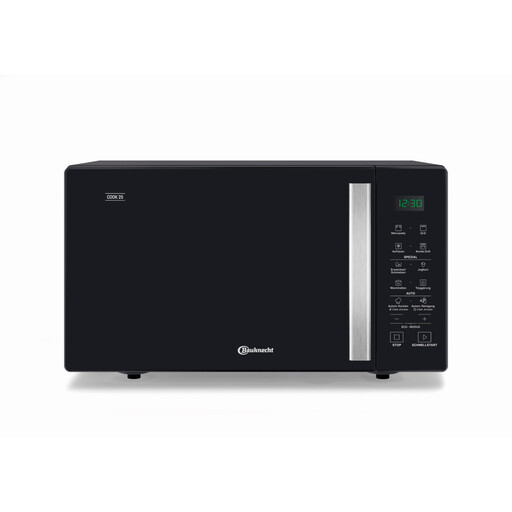
A microwave is an option for a small portion; before buying, compare the internal dimensions with your covered bowl.
The product title lists a 20 l capacity and a compact design.
The product information warns against running it empty or using metal utensils. Remove hot dishes carefully and supervise children.
 No image available
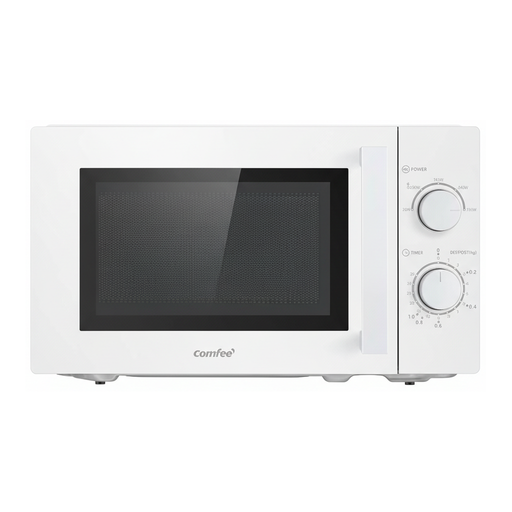
You can use a solo microwave with a covered bowl, as long as the dish and lid fit inside.
The product title lists a 20 l capacity, automatic programmes, quick start and a keep-warm setting.
The product information requires microwave-safe cookware and enough clearance for ventilation. Handle hot dishes carefully.
 No image available
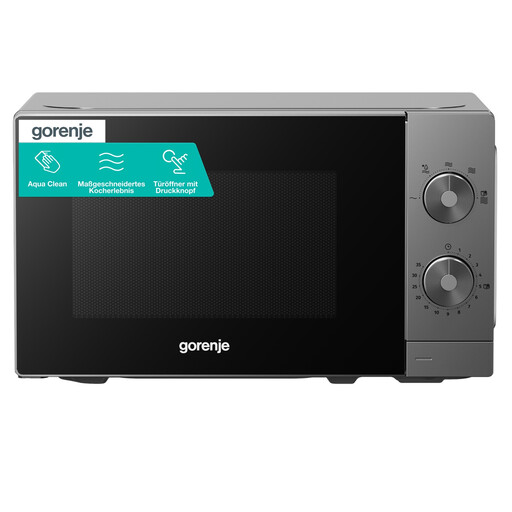
A microwave with adjustable power is a useful option for a small portion; also check that the bowl and lid will fit.
The product title lists 700 W, five power levels, mechanical controls and a defrost function.
The product information requires microwave-safe containers and warns that children shouldn’t use the appliance unsupervised.
 No image available
A microwave with adjustable power could suit a small portion; compare the internal dimensions with your bowl.
The product title lists 700 W, five power levels, dial controls and a defrost function.
The product information warns against running it empty or using metal cookware. Remove hot dishes carefully and supervise children.
No, the bowl method doesn’t require a dedicated steam programme. EAT SMARTER recommends cooking frozen peas with a little water in a covered, microwave-safe dish at 750 W. The four minutes given are an example from that guide, not a guarantee for every portion size or microwave.
Only if the lid’s instructions say it’s safe to do so. Verbraucherzentrale points out that a container may be microwave-safe even if its lid isn’t. Also observe the stated temperature and wattage limits, and don’t use the item if the material is damaged.
Follow the cleaning instructions and stop using any microwave cookware that is damaged. Umweltbundesamt advises against attempting to repair a microwave yourself if its casing or door is damaged; contact a qualified professional instead.
If a product is faulty, distinguish your statutory consumer rights against the seller from any voluntary manufacturer’s or retailer’s guarantee. According to Verbraucherzentrale, you can initially ask for the fault to be put right under your statutory rights, either by repair or replacement. Your exact rights will depend on the purchase and the fault.
No. According to the Bundesumweltministerium’s guidance on the ElektroG, waste electrical appliances must be collected separately and handed over to an authorised organisation, such as a local collection point, manufacturer or retailer, if they are covered by the statutory take-back obligations.