Careful pudding reheaters
If you heat small portions and can pause the microwave to stir, adjustable power and straightforward controls matter more than grill programmes.


A solo microwave with adjustable power and an easy-to-access interior is usually enough for gently reheating pudding. The key is to heat it in short bursts and stir between each one, rather than choosing the highest possible power setting. In a shared kitchen, clear timer controls, suitable containers and easy cleaning matter too. Grill, oven and steam functions are worth considering if you’ll use them regularly for other dishes. Dr. Oetker’s timings for freshly made pudding shouldn’t be treated as a set reheating time for pudding that’s already been cooked.
If you heat small portions and can pause the microwave to stir, adjustable power and straightforward controls matter more than grill programmes.
If you share the appliance and worktop, clear settings, suitable containers and easy cleaning can make it simpler for everyone to take their turn.
If you also want to grill, bake or steam food regularly, consider whether those functions justify the extra space and upkeep.
| What matters | What to check | Who is it important to? |
|---|---|---|
| Reheat pudding gently | Look for adjustable power and short timer intervals that you can pause; use a microwave-safe container. | If I’m heating a small portion, I want to be able to pause and stir it, and adjust the power. Around 36% of consumers put controlled heating first. |
| Coordinate cooking times | Check that the controls are easy to understand and that the end of a heating cycle is clearly indicated; agree on the order of use separately. | If several people cook one after another, I need a clear indication of when a heating cycle ends. Around 29% of consumers prioritise coordinating shared kitchen time slots. |
| Containers and cleaning | Check that your bowls will fit in the cavity or on the turntable, with enough room to take them out; check which parts are removable and any container limits. | When space is tight, I want to fit in my usual bowls and be able to wipe the inside clean easily after splashes. Around 21% of consumers place particular importance on space and cleaning. |
| Use other cooking methods | Agree on which extra functions you’ll use regularly and whether you have room for the appliance and time to care for its accessories. | If we want to grill, bake or steam food regularly using the same appliance, extra functions may be useful. Around 14% of consumers put other cooking methods first. |
Sugary foods can become hotter in some spots than you might expect. A recipe for freshly mixed pudding calls for regular stirring.
Choose an appliance that lets you adjust the power and time easily, and pause to stir. Also check that you can remove the container safely.
A timer can show when a heating cycle has finished, but it won’t manage bookings or coordinate arrangements between several people.
Agree on cooking times separately, and check that everyone can understand the controls and displays.
Steam, grill and oven functions aren’t needed to reheat pudding.
Before comparing models, agree on which extra cooking methods you’ll actually use, and factor in the space required and the care needed for the accessories.
The M 20 Cube Ceramic is a solo microwave with a flat interior floor.
The MW 7580 is a compact solo microwave with inverter technology and mechanical controls.
The NN-DS59NMETG is a combination microwave with additional cooking functions.
The MS23DG4504ATE1 is a solo microwave with a 23 l capacity and a ceramic enamel interior.
This selection includes solo microwaves for adjustable heating, as well as combination models for households that want to use extra cooking functions.
 No image available
A solo microwave with adjustable power may suit you if you want to heat food in stages and share the appliance with others. Remember to stir the pudding between heating intervals.
Inverter; 19 l capacity; 700 W; turntable.
Check the power levels for the exact version before deciding whether it meets your needs.
 No image available
This solo model may suit you if you’re looking for a microwave with adjustable power for smaller portions.
20 l capacity; 700 W; six power levels; 30-minute timer; turntable.
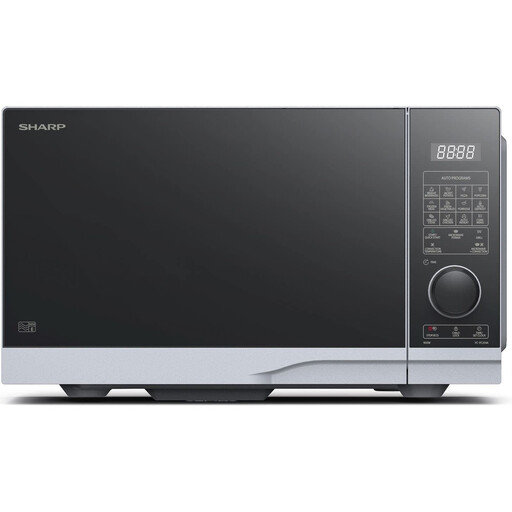 No image available
A combination microwave is worth considering if you want to use the listed extra cooking functions as well as reheat food.
25 l; grill; convection; silver finish.
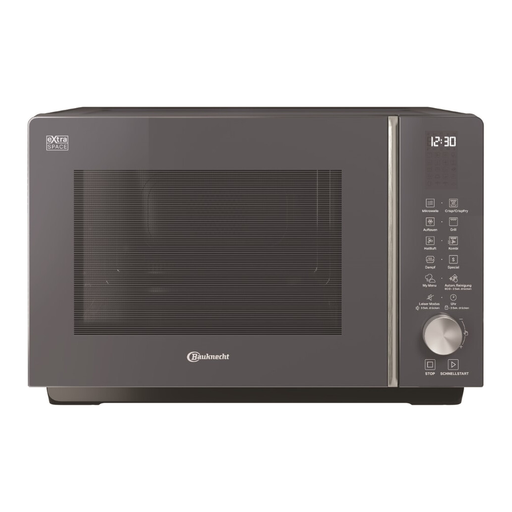 No image available
This combination model may suit a shared kitchen if you need cooking functions beyond the microwave.
25 l; flat interior with no turntable; steam function; convection; grill; AutoClean programme.
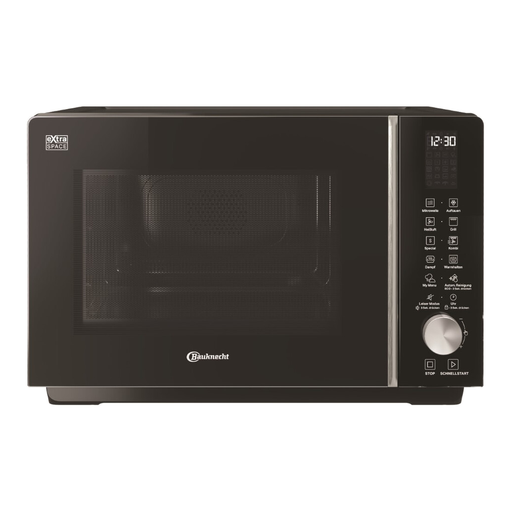 No image available
Choose a combination model like this if you’ll use its extra cooking functions regularly and the accessories fit into your kitchen routine.
25 l; flat interior with no turntable; steam function; convection; grill; AutoClean programme; steam container.
Not as a general rule. Dr. Oetker’s guidance of around 600 W for 6–7 minutes, with vigorous stirring every two minutes, is for making pudding with cold milk and pudding powder. It doesn’t give you a set reheating time for pudding that’s already been cooked. Heat it in short bursts and stir between each one.
Only use dishes that are suitable for microwave use, and follow any stated temperature and wattage limits. The Verbraucherzentrale notes that foods high in sugar or fat can become particularly hot in some spots. Wipe the interior clean after any splashes; you can clean a removable turntable separately.
Agreeing a time to use the kitchen doesn’t replace refrigeration. The German Federal Institute for Risk Assessment explains that chilling slows or stops the growth of most bacteria. The Verbraucherzentrale advises cooling prepared food quickly, storing it in a cool place and reheating it thoroughly before eating. If food hasn’t been stored properly, reheating it later alone can’t make it safe.
The statutory guarantee is the seller’s responsibility and is separate from a voluntary manufacturer’s warranty. New consumer goods are generally covered by a two-year statutory period. The Verbraucherzentrale and the EU’s Your Europe information page explain the difference and the time limit. According to the German Environment Agency, old electrical appliances mustn’t go in household rubbish; check how to return or recycle yours properly.
For appliances covered by the relevant EU rules, you should check that they meet the applicable conformity requirements, including CE marking. The German Federal Network Agency lists labelling, manufacturer details and German-language instructions with the necessary warnings among the points to check. The CE mark is a declaration made by the manufacturer, not an independent quality mark.